 Whatcom County
 Why Silver Beach Windows Wear Differently
Homes along the Silver Beach side of Bellingham Bay sit in a different weather lane than houses a few miles inland. The bay throws salt-laden air at window frames and hardware year-round, wind-driven rain hits west- and north-facing walls at an angle that pushes water into gaps a standard install would never see, and the long gray stretch of fall through spring keeps everything damp long enough for moss and mildew to take hold on sills, tracks, and exterior trim. None of this is dramatic on its own, but it adds up over years, and it's why a window that performs fine in a drier part of Whatcom County can fail early here.
We're not describing a rare or extreme condition — this is just normal weather for a home this close to the water. The point is that "window replacement" in Silver Beach isn't the same job as window replacement in a sheltered inland neighborhood, and the install details matter more here than they do elsewhere.
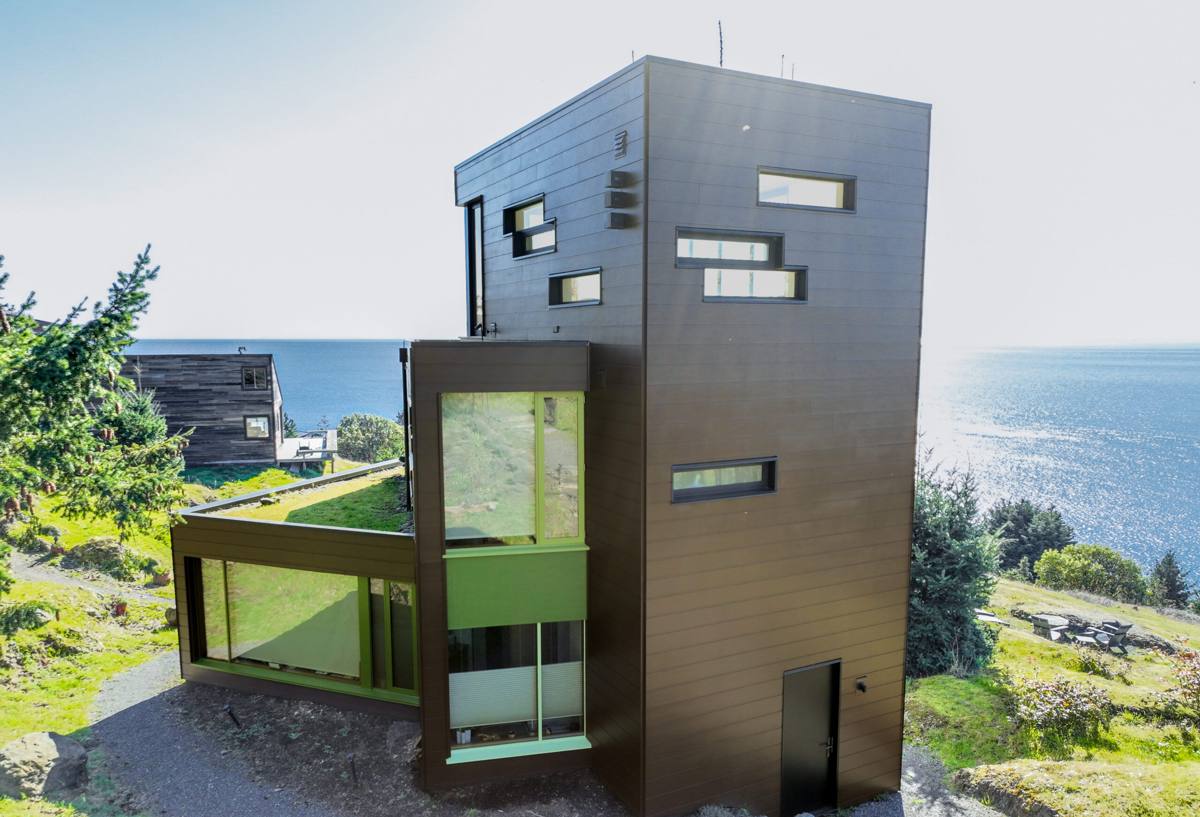
What Salt Air, Rain, and Moss Actually Do to a Window
Salt air and hardware corrosion
Airborne salt accelerates corrosion on exposed metal — hinges, locks, balance systems, and screen frames. Cheaper hardware finishes can start pitting or seizing years before the glass unit itself has any problem, which is why hardware quality matters as much as glass quality on a bayfront or near-bayfront home.
Driving rain and water intrusion
Wind-driven rain doesn't just run down glass — it gets forced sideways and upward at the frame edges. If the flashing, sill pan, and sealant details aren't done correctly, water finds its way behind the trim and into the wall cavity, where it can sit for months before anyone notices a stain or a soft spot.
Moss and prolonged moisture
A long moss season means anything horizontal or shaded — window sills, bottom rails, and trim returns — stays damp longer between dry spells. That's a slow but real threat to wood components and to caulk lines, which break down faster under constant moisture cycling than they would in a drier climate.
Signs a Silver Beach Home Needs Window Replacement Now
- Fogging or a hazy look between the panes — a sign the seal on the insulated glass unit has failed
- Soft, spongy, or discolored wood at the sill or bottom corners of the frame
- Windows that are hard to open, close, or lock, especially ones facing the water or prevailing wind
- Visible corrosion on hinges, cranks, or lock hardware
- Moss or persistent black staining on the sill that keeps coming back after cleaning
- Drafts or a noticeable temperature difference near the window on windy days
- Paint or finish that's bubbling, peeling, or cracking around the frame
- Condensation on the inside of the glass during cold, damp stretches
Any one of these can be minor on its own. Two or three together, especially on a window facing the bay or prevailing weather, usually means the assembly is past the point where caulk and paint will hold it.
What a Correct Installation Actually Involves
Replacing a window is easy to do poorly and only somewhat harder to do right. In a climate like this, the difference shows up in five to ten years, not on install day. A correct job includes:
- Removing the old unit and inspecting the rough opening and sheathing for hidden rot before anything new goes in
- Installing a proper sill pan so any water that does get past the window has somewhere to drain instead of sitting against wood framing
- Flashing the opening in the correct shingle-lap order (starting at the sill, then jambs, then head) so water is always directed outward and down, never into a seam
- Using a quality sealant rated for exterior exposure, applied at the right points — not smeared everywhere as a substitute for proper flashing
- Shimming and fastening the frame square and plumb so the sash operates smoothly and the seals compress evenly for the life of the window
- Matching interior and exterior trim details so the finished look is consistent with the rest of the house
Skipping the sill pan or rushing the flashing sequence are the two most common shortcuts we see on past installs when we're called out to a home with water damage that looked, from the outside, like a "fine" window job.
Frame Material Choices for a Bayfront Climate
There's no single "best" window material for every home — it depends on budget, the home's style, and how much upkeep the homeowner wants to take on. Here's how the common options actually compare in salt-air, high-moisture conditions:
| Frame Material | Coastal Durability | Maintenance | Typical Trade-Off |
|---|---|---|---|
| Vinyl | Good — won't rot or corrode | Low; occasional cleaning | Fewer color/finish options; can look less traditional on older homes |
| Fiberglass | Very good — stable in temperature swings, resists warping | Low | Higher upfront cost than vinyl |
| Aluminum | Fair — strong but prone to corrosion near salt air unless well-coated | Moderate; hardware needs monitoring | Better for large spans, less ideal for direct bay exposure |
| Wood / wood-clad | Weakest in this climate unless meticulously maintained | High; regular refinishing needed | Best traditional look, but moisture is the enemy of exposed wood |
We're not going to tell you a certain product is "bad" — every material has a place. Our professional standard is that for homes with direct or near-direct bay exposure, we steer customers toward vinyl or fiberglass because they hold up with the least ongoing maintenance, and we're upfront that a wood-frame window here means committing to a real refinishing schedule, not a one-time purchase decision.
Our Window Replacement Process
- On-site assessment — we look at every window being considered, note which elevations take the worst weather, and check for existing moisture damage around openings.
- Honest recommendation — we tell you which windows genuinely need replacing now, which can wait, and which material and style options fit your budget and the house.
- Detailed measurement and ordering — exact sizing to avoid gaps that require excessive shimming or filler.
- Removal and opening inspection — old units come out carefully, and we check the sheathing and framing underneath before anything new goes in.
- Sill pan, flashing, and install — done in the correct sequence described above, every time, regardless of whether it's a single window or a whole-house job.
- Interior and exterior finish work — trim, caulking, and paint-matching so the result looks intentional, not patched.
- Final walkthrough — we operate every window with you before we call the job done.
Why Local Experience in Silver Beach Matters
A contractor who works regularly in this part of Whatcom County already knows which elevations of a Silver Beach home tend to take the brunt of the weather, what the older housing stock here typically has hiding behind the trim, and which flashing details actually hold up against driving rain off the bay versus which ones just look fine on installation day. That's not something you can fully substitute with a generic install crew working from a national playbook — it comes from having done this exact job, in this exact microclimate, more than once.
It also means we're not guessing about material choices. We've seen how vinyl, fiberglass, aluminum, and wood frames actually age here, not just how they're rated on a spec sheet.
What Drives the Cost of a Window Replacement Project
| Factor | Why It Matters |
|---|---|
| Frame material | Vinyl is typically the most budget-friendly; fiberglass and wood cost more upfront |
| Number of windows | Whole-house projects usually bring a better per-window rate than single replacements |
| Existing damage | Rot or water damage found during removal adds repair time before the new window goes in |
| Window size and type | Large picture windows, bays, or custom shapes cost more than standard double-hung sizes |
| Exterior trim condition | Trim that needs full replacement (not just refinishing) adds labor and material |
| Access and elevation | Upper-floor or hard-to-reach windows can require additional equipment or time |
We'll walk through these factors with you specifically for your home before we give you a number — broad ranges without seeing the actual windows don't help anyone plan a real budget.
Keeping New Windows Performing in This Climate
A correctly installed window still benefits from a little seasonal attention in a place with this much salt air and rain:
- Rinse salt residue off exterior frames and hardware a few times a year, especially after storms
- Keep weep holes and drainage tracks clear of debris and moss so water can exit as designed
- Check caulk lines annually and touch up before small gaps become water pathways
- Operate hardware periodically through the winter so mechanisms don't seize from disuse and moisture
None of this is heavy maintenance — it's the kind of upkeep that takes an afternoon and adds years to the life of the installation.
If your Silver Beach home has windows showing any of the wear signs above, or you're just ready to stop patching and get it done right, we're happy to take a look and walk you through honest options. Fill out the form below for a free, no-pressure estimate — there's no obligation, and we'll tell you plainly what we find.