 Whatcom County
 Exterior Work in Barkley, Whatcom County
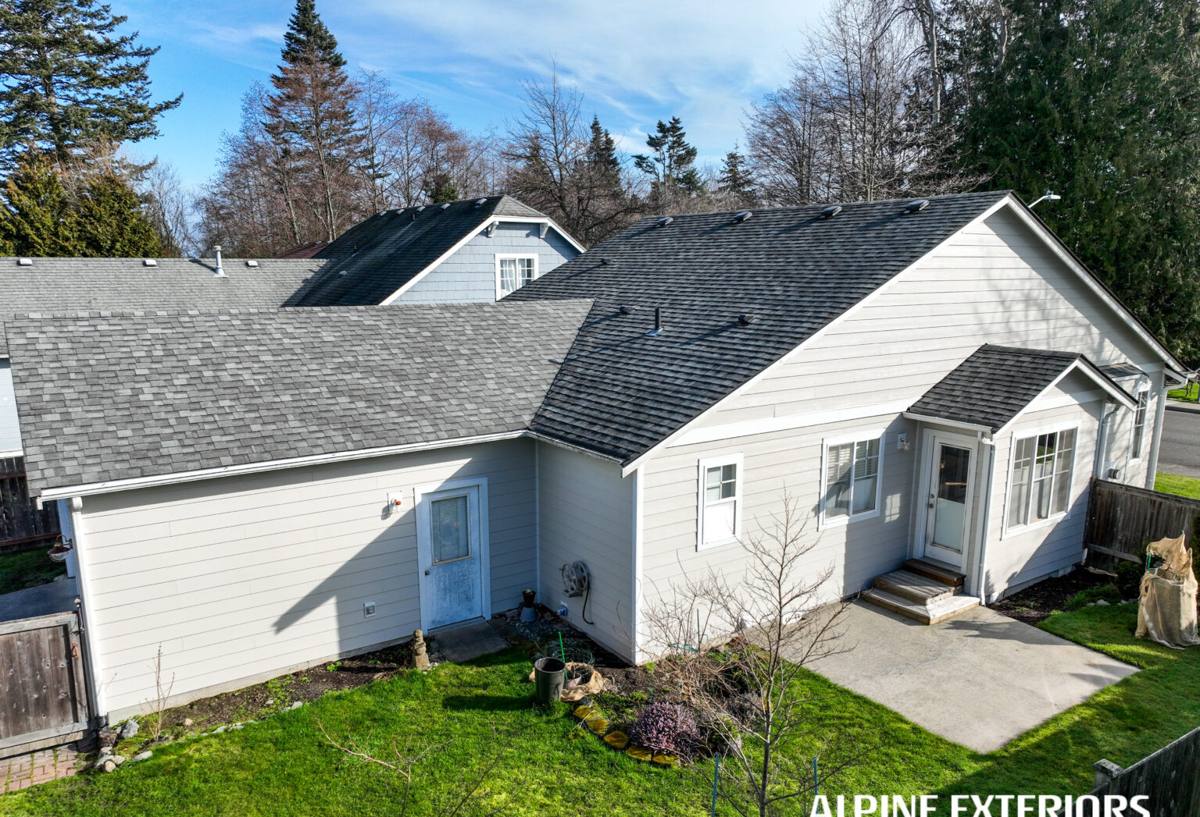
Barkley is one of the more established planned neighborhoods on Bellingham's east side, and homes here run the gamut from newer construction to houses that are now old enough to be on their second or third exterior. Whatever the vintage, every home in this part of Whatcom County is dealing with the same basic problem: a marine climate that never really lets up. Salt-tinged air off the bay, driving rain that comes sideways more often than straight down, and a moss season that can stretch from October well into May. Siding, roofing, windows, and decks in Barkley aren't cosmetic choices — they're the difference between a home that ages gracefully and one that's fighting rot by year fifteen.
We do exterior work across Whatcom County, and Barkley shows up on our schedule regularly enough that we know the neighborhood's quirks: tree canopy that keeps north-facing walls damp longer than the rest of the house, lots with mature landscaping that traps moisture against the siding, and the kind of wind-driven storms that find every gap in flashing and trim. This page walks through what we see, what we install, and why.
What the Climate Does to a Barkley Home
Moisture That Doesn't Quit
Whatcom County gets a long, low-intensity rainy season rather than short violent downpours. That matters for siding because the problem isn't one bad storm — it's months of walls staying damp, drying briefly, then getting wet again. Materials that absorb water and don't dry out fast enough start to swell, delaminate, or grow mold on the surface long before they structurally fail.
Moss and Algae
Shade, humidity, and mild temperatures are a perfect combination for moss and algae growth on roofs, siding, and deck boards. Once moss gets a foothold on a roof, it holds water against the shingles and works its way under the edges. On siding, algae staining is mostly cosmetic but it's a sign that a surface is staying wet longer than it should.
Salt Air
Barkley isn't right on the water, but Whatcom County as a whole sits close enough to Bellingham Bay and the Salish Sea that airborne salt is a real factor, especially on west and south exposures. Salt accelerates corrosion on fasteners, flashing, and any metal trim, and it degrades certain paint and coating systems faster than inland climates would.
Wind-Driven Rain
Storms coming off the water tend to push rain sideways, which means water finds its way behind siding through gaps that would stay dry in a calmer climate. This is why flashing detail and proper overlaps matter more here than in drier parts of the state — the margin for sloppy work is much smaller.
Why We Only Install James Hardie Fiber Cement Siding
We made a deliberate decision to install James Hardie fiber cement siding exclusively, and it's rooted in exactly the climate problems above. Fiber cement is non-combustible, doesn't absorb water the way wood-based products do, and holds its shape and finish through repeated wet-dry cycles far better than the alternatives.
What We Don't Install, and Why
We don't install LP SmartSide, vinyl siding, Cemplank, Allura, primed spruce, or cedar. That's not a knock on any single homeowner's existing siding — plenty of these products have a place and perform reasonably well when properly maintained. But each comes with a trade-off that matters in a climate like this one:
- Vinyl expands and contracts with temperature swings, can warp under direct heat exposure, and its seams and J-channels give wind-driven rain more entry points over time.
- LP SmartSide is an engineered wood product — well-engineered, but still wood-based, which means the edges and cut ends need diligent caulking and repainting to keep moisture out long-term.
- Cedar looks great new but requires ongoing sealing, staining, and pest management to hold up in a wet climate, and the maintenance schedule is unforgiving if it slips.
- Primed spruce and other primed wood products depend entirely on the paint film staying intact; once it cracks, the wood underneath is exposed to exactly the moisture cycle that's hardest on this coastline.
- Cemplank and Allura are also fiber cement, and reasonable products in their own right — we simply standardized on James Hardie for its factory finish system, HZ5 climate engineering, and the depth of its transferable warranty.
We'd rather install one product well and stand behind it than juggle several with different failure points and warranty terms.
The James Hardie System
James Hardie's HZ5 product line is engineered specifically for climates with high moisture exposure, which fits Whatcom County closely. The ColorPlus factory finish is baked on under controlled conditions, which gives it more consistent coverage and better fade resistance than field-applied paint, and it comes with its own finish warranty separate from the substrate warranty. Because it's fiber cement, it doesn't provide fuel for fire the way wood siding does, and it stands up to moss, mildew, and pests without needing the chemical treatments that wood products rely on.
Roofing, Windows, and Decks — the Same Exposure, Different Materials
Siding is only one piece of a home's exterior envelope, and in a climate this wet, the pieces have to work together. A new roof with poor ventilation will push moisture into the attic and eventually the wall cavities behind brand-new siding. Windows that aren't flashed correctly will leak regardless of how good the siding around them is. Decks take the most direct beating of all — full sun exposure, standing water, and constant wet-dry cycling on horizontal surfaces.
Roofing
In this region we pay close attention to underlayment quality, ice-and-water shield at valleys and eaves, and attic ventilation — moss resistance starts with keeping the roof deck cool and dry, not just with what shingle is on top.
Windows
Window replacement in a wet climate is as much about the flashing and sill pan detail as it is about the window unit itself. A high-end window installed without proper flashing will leak; a mid-grade window installed correctly usually won't.
Decks
Deck framing and ledger connections take on outsized importance here because trapped moisture at the ledger-to-house connection is one of the more common rot points we find on older decks in this area.
Why a Local Crew Matters
Exterior work isn't just about the product — it's about installation detail, and installation detail is where local experience pays off. A crew that works Whatcom County year-round knows how deep to set flashing on a west-facing wall, how much ventilation gap a rain-screen needs behind Hardie panels in this humidity, and which parts of a lot tend to hold moisture longest based on tree cover and sun exposure.
| Factor | Local Crew | Out-of-Area Contractor |
|---|---|---|
| Familiarity with regional moisture patterns | Built into daily work | Learned on your project |
| Warranty follow-up | Same crew, easy to reach | May be gone after the job |
| Permitting and inspection relationships | Established locally | Starting from scratch |
| Response time for storm or moisture issues | Days, not weeks | Depends on scheduling and distance |
What the Installation Process Involves
Correct fiber cement installation is not a fast process, and skipping steps is where most siding failures actually start — not with the material itself. A properly installed James Hardie system in this climate generally includes:
- Removal of old siding and inspection of the sheathing underneath for hidden rot or moisture damage
- Repair or replacement of any compromised sheathing before new material goes up
- Installation of a weather-resistant barrier and, where appropriate, a rain-screen gap to let moisture drain and the wall assembly breathe
- Correct flashing at every window, door, and roofline intersection
- Fastening and joint spacing per James Hardie's published specifications, not shortcuts
- Caulking and touch-up only where the manufacturer's install guide calls for it, not as a substitute for proper flashing
Cost Factors to Understand Before You Get a Quote
Every home is different, and we don't quote sight-unseen, but these are the variables that most affect the price of a siding project in this area:
| Factor | Why It Matters |
|---|---|
| Extent of existing damage | Rotted sheathing found during tear-off adds repair scope |
| Home size and wall complexity | More corners, gables, and trim details mean more labor |
| Siding profile chosen | Lap, shingle, and panel styles carry different material and labor costs |
| Access and site conditions | Tight lots, slopes, and mature landscaping affect staging and setup time |
| Scope beyond siding | Bundling roofing, windows, or trim work can improve overall efficiency |
Maintenance Once Your New Exterior Is In
James Hardie siding is low-maintenance, not no-maintenance. A yearly rinse-down to knock off algae and debris, a periodic check of caulking at trim joints, and prompt attention if you spot a section of moss creeping onto a north-facing wall will keep the finish looking good for the long haul. The factory finish is far more durable than field-applied paint, but nothing in this climate is entirely maintenance-free.
Getting Started
If your Barkley home's siding, roof, windows, or deck are showing their age — moss buildup, soft spots, drafts, or a finish that's chalking and fading — we're happy to come take a look. We'll give you a straightforward, no-pressure estimate and an honest read on what actually needs attention versus what can wait. Use the form below to request a free estimate.