 Whatcom County
 Roofing in Birchwood: A Different Set of Demands
Homes in Birchwood sit inside one of the more punishing roofing environments in Whatcom County. You've got marine air moving in off the water carrying salt, long stretches of driving rain that finds every weak seam, and a moss season that can run most of the year in shaded, north-facing sections of a roof. None of these are dramatic events on their own. They're slow, steady pressure, and that's exactly what wears out a roof before its time — not one big storm, but years of small compromises adding up.
A roof that would last two or three decades in a dry inland climate can fall well short of that in Birchwood if it was installed without accounting for moisture cycling, algae and moss growth, and coastal-adjacent corrosion. This page is about what a correct new roof installation looks like for this specific area, not roofing in general.
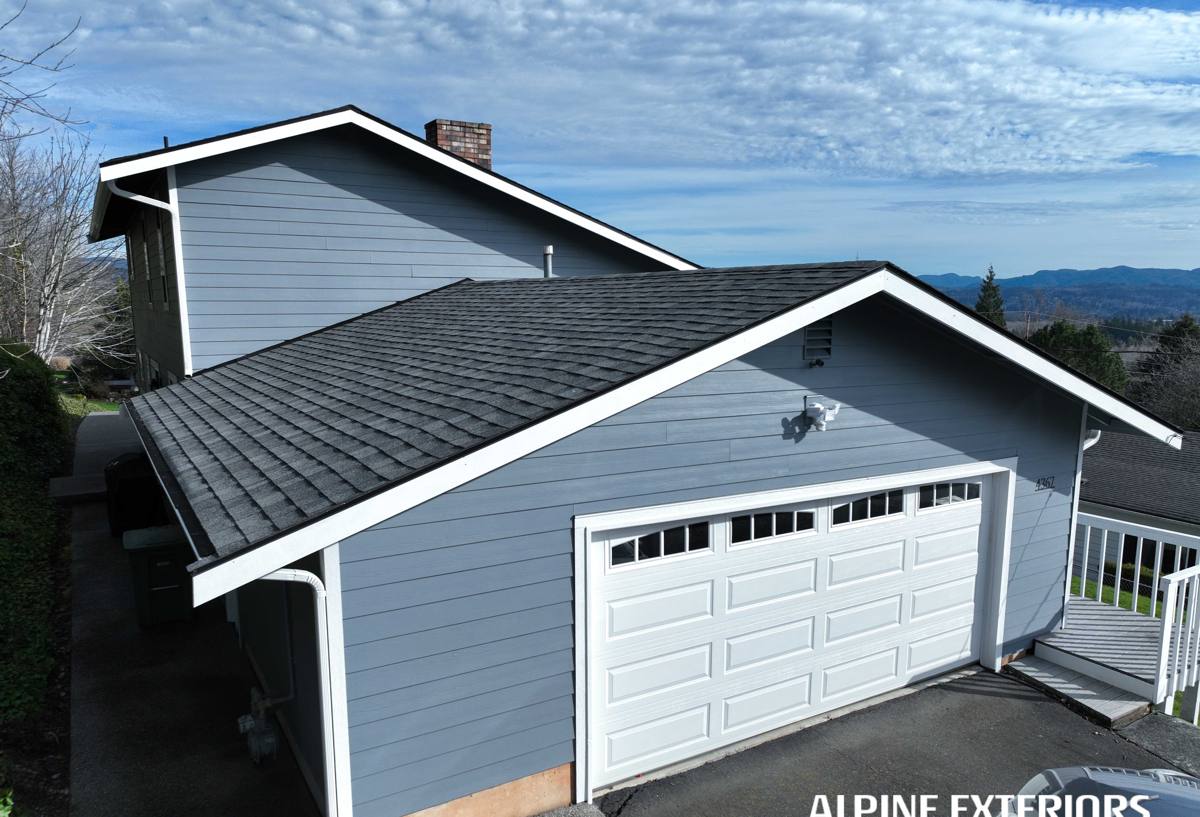
Why "Just Match What's There" Isn't Good Enough
A lot of roof replacements in this region get specified the same way the original roof was built — same shingle, same underlayment, same ventilation, done. If the original roof lasted a normal service life without major issues, that's a reasonable starting point. But if you're replacing a roof that failed early, showed heavy moss buildup, or had recurring leaks around valleys and penetrations, repeating the same specification just resets the clock on the same problems.
A correct installation for Birchwood starts with an honest look at how the old roof actually performed here — where it stayed wet, where moss took hold first, where flashing failed — and adjusts the new system accordingly.
What a Correct New Roof Installation Involves
Tear-Off and Deck Inspection
Everything comes off down to the sheathing. This is the only point in the project where the roof deck itself can be inspected for soft spots, delamination, or rot — usually found around old flashing points, chimneys, or areas where moss held moisture against the deck for years. Any damaged sheathing gets replaced before anything new goes down. Skipping this step is the single most common shortcut that leads to early failure.
Underlayment Built for Wet Weather
Given how much driving rain this area gets, underlayment choice matters more here than in drier parts of the state. A synthetic underlayment with a well-sealed ice-and-water shield membrane at eaves, valleys, and around penetrations gives the roof a real second line of defense — because in a coastal, rain-heavy climate, wind-driven water will occasionally get past the surface layer, and the underlayment is what keeps that from becoming a deck problem.
Flashing Done Right
Most roof leaks don't come from the field of the shingles — they come from flashing: chimneys, skylights, sidewalls, valleys, and roof-to-wall transitions. Salt-air exposure accelerates corrosion on lower-grade or improperly fastened flashing metal, so material choice and installation detail at these points deserve more attention than they usually get.
Ventilation That Actually Balances
Intake at the eaves and exhaust at the ridge need to work together, not just exist independently. Poor ventilation traps moisture in the attic, which shows up as premature sheathing rot, mold, and — ironically — more moss growth from the underside pushing moisture into the roof system. A correct installation calculates intake and exhaust together rather than adding vents wherever it's convenient.
Moss and Algae: Designing the Roof to Resist Them, Not Just Treat Them
Moss and algae staining are the most visible sign of Birchwood's climate on a roof. Chemical treatments and periodic cleaning help, but they're maintenance, not a fix. A new installation can reduce future moss pressure by:
- Selecting shingles with algae-resistant granules where color and product line allow it
- Confirming proper roof-to-ridge airflow so the deck dries out between rain events instead of staying damp
- Reviewing overhanging branches and shaded sections with the homeowner, since trimming back tree cover does more for moss prevention than almost anything applied to the roof itself
- Installing zinc or copper strips near the ridge on request, which release trace metal ions that inhibit moss and algae growth as rain washes over them
None of these eliminate moss entirely in a climate this wet — nothing does — but together they meaningfully slow it down.
Material Options for a Birchwood Roof
There's no single "correct" material for every home — it depends on budget, roof pitch, architectural style, and how much long-term maintenance a homeowner wants to take on. Here's how the common options actually compare in this climate:
| Material | Performance in Salt Air / Driving Rain | Moss Resistance | Typical Maintenance |
|---|---|---|---|
| Architectural asphalt shingle | Good, especially with algae-resistant granules and proper underlayment | Moderate — benefits from periodic cleaning | Low to moderate |
| Standing seam metal | Excellent when fasteners and flashing are corrosion-rated for coastal exposure | High — moss struggles to hold on smooth metal | Low |
| Cedar shake | Requires diligent maintenance; absorbs moisture in a wet climate | Low without regular treatment | High |
| Composite/synthetic shake or slate | Good; engineered to resist moisture absorption | Moderate to high depending on product | Low to moderate |
We'll walk through the honest trade-offs for your specific roof — pitch, sun and shade exposure, and how the home is oriented to prevailing weather all factor into what actually makes sense.
What Drives the Cost of a New Roof
Rather than quote a number that means nothing without seeing your roof, here are the factors that actually move the price:
| Factor | Why It Matters |
|---|---|
| Roof size and number of planes | More material and more seams to detail correctly |
| Pitch and accessibility | Steeper or harder-to-access roofs take longer and carry higher labor and safety costs |
| Deck condition found at tear-off | Rotted or delaminated sheathing needs replacement before the new roof goes on |
| Number of penetrations | Chimneys, skylights, and vents each require individual flashing work |
| Material selected | Asphalt, metal, and composite products carry different material and labor costs |
| Ventilation upgrades needed | Bringing intake/exhaust into balance sometimes means added vents or baffles |
An accurate number only comes from an actual look at your roof — we'll give you a clear, itemized estimate, not a rough guess.
Our Installation Process
- On-site assessment — we inspect the existing roof, attic ventilation, and any known problem areas before writing a scope of work.
- Material selection — we go through the options above against your budget and how the home sits relative to sun, shade, and prevailing weather.
- Tear-off and deck inspection — old roofing removed, deck inspected and repaired as needed, with photos documenting anything replaced.
- Underlayment and flashing installation — synthetic underlayment with ice-and-water membrane at vulnerable points, new flashing at every penetration and transition.
- Roofing material installation — installed to manufacturer specification, which also protects your warranty coverage.
- Ventilation check — intake and exhaust balanced and confirmed before close-out.
- Final walkthrough — we go over the finished roof with you, including care and maintenance specific to Birchwood's climate.
Why It Matters That We Already Work in Birchwood
A crew that's replaced roofs elsewhere in the country and a crew that works Whatcom County day to day will spec a roof differently for the same house. Local experience means knowing which shaded lots hold moisture longest, which flashing details tend to fail first in this kind of weather, and which ventilation setups actually keep attics dry through a wet Whatcom County winter. That's not something you get from a manufacturer spec sheet — it comes from doing this work, on roofs like yours, in this specific climate, repeatedly.
It also means we're a known, reachable local business if a warranty question or storm-related concern comes up years down the road — not a crew that worked the region for one season and moved on.
Keeping a New Roof Performing Long-Term
A correct installation is most of the job, but a little homeowner attention extends the life of any roof in this climate:
- Keep gutters clear so water isn't backing up under the eaves during heavy rain
- Trim back tree branches that shade sections of the roof and keep them damp
- Have moss or algae growth addressed early rather than left to spread
- Schedule a periodic visual inspection, especially after major windstorms
- Watch for granule buildup in gutters, a sign asphalt shingles are aging
If you're planning a new roof for a Birchwood home, we're happy to take a look and put together a clear, no-pressure estimate — just fill out the form below.