 Whatcom County
 Deck Building for Sunnyland Homes
Sunnyland sits close enough to the water and the marine weather patterns that roll through Whatcom County that a deck built the way it's built in drier parts of the country simply won't hold up here. Salt-laden air, long stretches of driving rain, and a moss season that can run more than half the year all work against wood, fasteners, and finishes at a faster rate than most homeowners expect. A deck that looks solid the first summer can be hiding soft framing, rusting hardware, or trapped moisture by year three if it wasn't built with this specific climate in mind.
We build and rebuild decks in and around Sunnyland regularly, and this page focuses on exactly that: what a deck needs to survive here, what a correct build actually involves, and how we run the job from first call to final walkthrough.
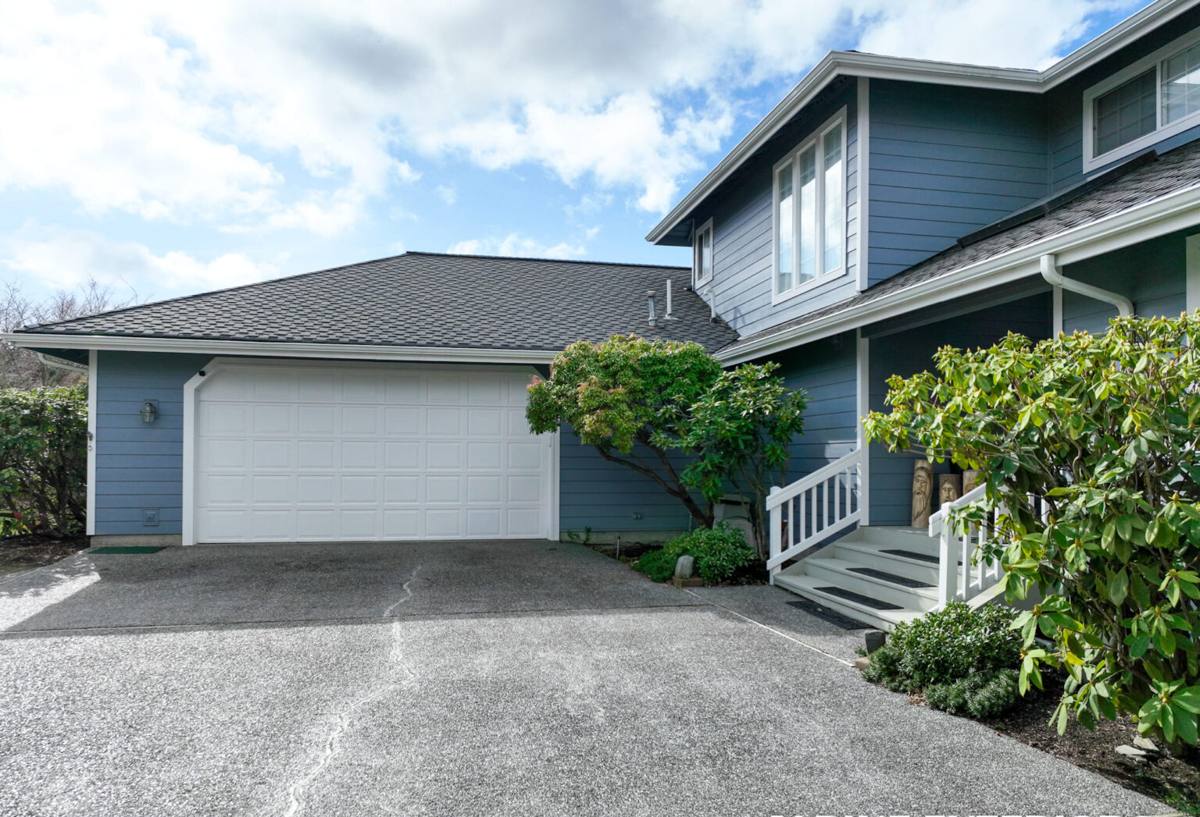
What Whatcom County Weather Does to a Deck Over Time
It helps to understand the specific stresses at play before talking about materials or process, because every decision below traces back to one of these.
Moisture That Never Fully Dries
Whatcom County doesn't get brief downpours followed by long dry spells — it gets weeks of low-intensity rain, overcast skies, and high humidity. Decking that could shed water and dry out quickly in a sunnier climate instead stays damp for days at a time. That prolonged dampness is what drives rot in ledger boards, joists, and post bases, especially anywhere water can pool or get trapped against wood.
Salt Air and Corrosion
Homes closer to the water pick up airborne salt that accelerates corrosion on any exposed metal — nails, screws, joist hangers, railing brackets. Standard galvanized fasteners can start showing rust streaks and pitting well before a deck's wood components show their age, which is why fastener selection matters as much as decking selection.
Moss, Algae, and Surface Buildup
The same conditions that keep the region green year-round also grow moss and algae on any horizontal wood surface that stays shaded and damp. Beyond looking bad, moss holds moisture against the board surface and becomes slick and genuinely dangerous underfoot, particularly on stairs and near entry doors.
Choosing the Right Decking Material for a Sunnyland Property
There's no single "best" decking material — there's a best fit for your budget, how much upkeep you want to do, and how exposed your specific lot is to shade, rain, and salt air. Here's how the common options actually compare once you factor in this climate.
| Material | Upfront Cost | Maintenance Here | Typical Lifespan Locally |
|---|---|---|---|
| Pressure-treated lumber | Lowest | Annual cleaning and re-sealing to resist moisture and moss | 10-15 years with consistent upkeep |
| Cedar | Moderate | Regular sealing; naturally moss- and rot-resistant but still needs care | 15-20 years |
| Composite decking | Higher | Occasional washing; no sealing or staining required | 25-30+ years |
| PVC/capped polymer decking | Highest | Lowest maintenance; fully resists moisture absorption | 25-30+ years |
Pressure-treated lumber remains a reasonable, budget-conscious choice for homeowners willing to stay on top of cleaning and sealing. Cedar looks and smells great and handles moisture better than most softwoods, but it's not maintenance-free — skipping a sealing cycle in this climate shows up fast as graying and surface checking. Composite and PVC boards cost more upfront but largely remove moisture absorption and moss adhesion from the equation, which is a real advantage on shaded Sunnyland lots where boards rarely get direct sun to dry out.
We'll walk your specific lot with you — sun exposure, tree cover, proximity to sprinklers or downspouts — before recommending a material, rather than defaulting to whatever's easiest to sell.
Framing and Structural Details We Don't Skip
Decking material gets all the attention, but most deck failures we get called out to inspect start underneath the boards, not on top of them. In a climate this wet, framing decisions matter more than they would in a drier region.
Ledger Board Flashing
Where a deck attaches to the house is the single most common source of hidden rot, because water running down siding gets funneled directly at that connection. Proper flashing — installed correctly, not just caulked over — keeps water out of the house rim joist and out of the ledger board itself.
Post Bases and Footings
Wood posts set directly in or near soil hold moisture against the end grain, which is the fastest way to rot a structural post from the inside. We use elevated post bases that keep wood off concrete and out of standing water, and we size footings to local frost and load requirements rather than guessing.
Joist Spacing and Hardware
Tighter joist spacing than the material's minimum rating reduces bounce and extends the life of the decking above it. All structural hardware — joist hangers, hurricane ties, structural screws — should be corrosion-resistant rated for the fastener's specific exposure, not just "galvanized" in a generic sense, given the salt air this area sees.
Ventilation Underneath
A deck built low to the ground or over poorly graded soil traps humid air underneath it with nowhere to go. Grading the area beneath the deck to drain, and keeping adequate clearance between the ground and the framing, cuts down on the trapped moisture that feeds rot and mold long-term.
How Our Deck Building Process Works
Every project runs through the same sequence, adjusted for the size and complexity of the deck.
- On-site assessment: We walk the property, check the attachment point on the house, evaluate drainage and sun exposure, and talk through how you actually plan to use the space.
- Design and material selection: We put together a layout and material recommendation based on your budget, maintenance preference, and the site conditions we found.
- Written estimate: You get a clear, itemized estimate before any work starts — no vague allowances that turn into surprise costs later.
- Permitting: We handle the permit application and inspections required for the project, so you're not left navigating that process alone.
- Demolition and site prep: If we're replacing an existing deck, we remove and haul away the old structure and inspect the ledger and framing area for hidden damage before rebuilding.
- Framing: Footings, posts, ledger flashing, and joists go in first, built to the structural specifics of your design and this climate.
- Decking, railing, and stairs: Boards, railings, and stairs are installed per manufacturer spacing and fastening requirements, which matters for both appearance and warranty coverage.
- Final walkthrough: We go over the finished deck with you, cover any maintenance the material requires, and make sure everything meets what was quoted.
Permits and Local Requirements
Most new deck construction and many deck replacements in Whatcom County require a building permit, particularly for decks above a certain height off grade or attached structurally to the house. Requirements can vary depending on whether your property falls under Bellingham city jurisdiction or unincorporated Whatcom County, and setback rules can differ by lot. Skipping this step isn't worth the risk — an unpermitted deck can complicate a home sale down the road and, more importantly, means the structural work wasn't inspected by anyone but the crew that built it. We handle the permit process as part of the job so this isn't something you have to sort out yourself.
Deck Maintenance Checklist for This Climate
Whatever material you choose, a few habits go a long way toward getting the full lifespan out of a Sunnyland deck.
- Sweep debris and standing leaves off the deck regularly, especially in fall — trapped organic matter holds moisture and feeds moss growth.
- Wash the surface at least once or twice a year with a deck-safe cleaner to remove early moss and algae before it takes hold.
- Check and re-seal wood decking on the manufacturer's recommended schedule — don't wait until it's visibly gray and dry.
- Inspect fasteners and hardware annually for rust streaks or corrosion, particularly on decks closer to open water.
- Keep gutters and downspouts clear so runoff isn't draining directly onto or under the deck.
- Trim back overhanging branches to let more sun and airflow reach the deck surface, reducing moss buildup.
- Check under-deck grading periodically to make sure water is still draining away from the structure, not pooling under it.
Why Hiring a Crew That Already Works in Sunnyland Matters
A deck built to a generic national spec sheet isn't necessarily built for this specific combination of salt air, rainfall, and moss exposure. A crew that regularly works Sunnyland and the surrounding Whatcom County neighborhoods has already seen which ledger connections fail first, which fastener grades hold up and which don't, and which materials actually perform on shaded, damp lots versus how they perform on paper. That local pattern recognition shows up in the small decisions — flashing details, hardware selection, grading under the deck — that determine whether a deck is still solid in fifteen years or needs major repair in five.
It also means we're familiar with the local permitting process and inspection expectations, so that part of the project moves without unnecessary delays.
Get a Free Estimate for Your Sunnyland Deck
Whether you're planning a new deck, replacing one that's showing its age, or just want an honest opinion on what a repair versus rebuild would cost, we're happy to take a look. Use the form below to request a free, no-pressure estimate for your Sunnyland property.