 Whatcom County
 Building Decks That Actually Hold Up in Ferndale
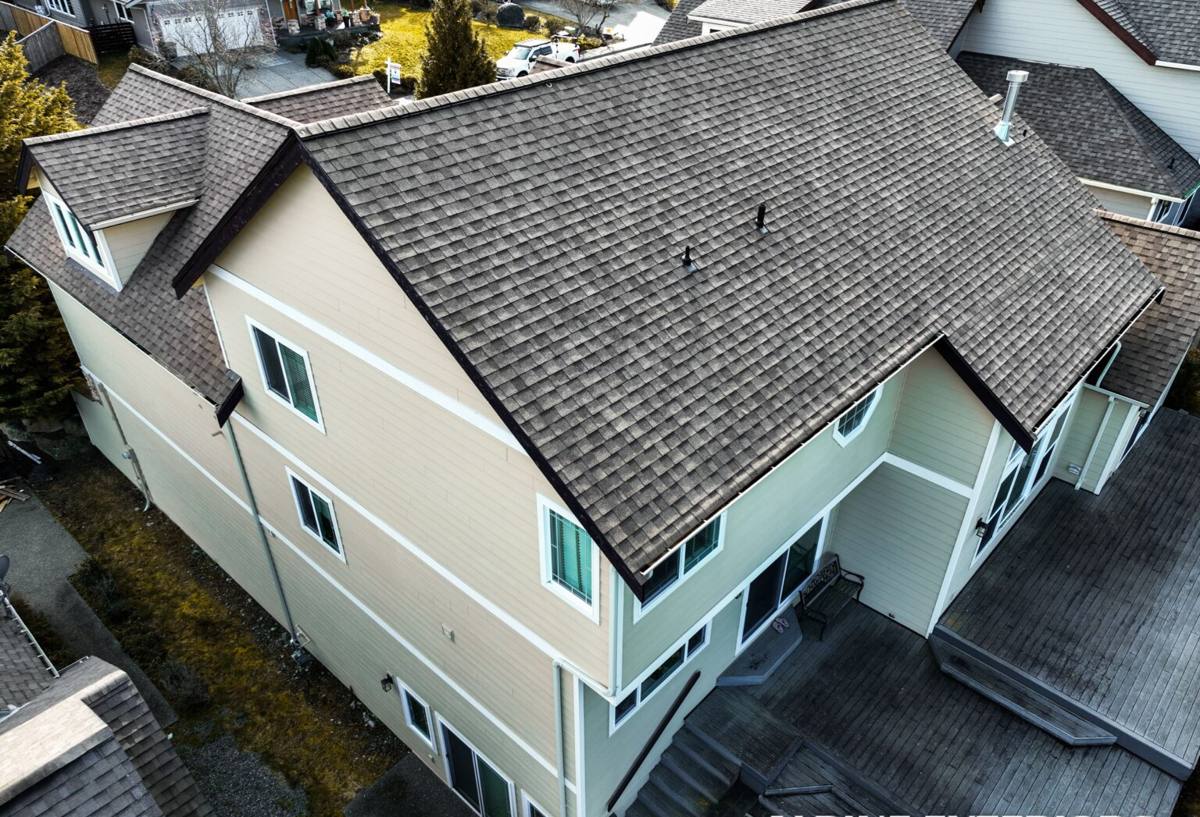
Ferndale sits close enough to the water and the refinery corridor that homes here deal with a specific mix of weather most inland builders never plan for: salt-laden air drifting in off the Strait, long stretches of driving rain, and a moss season that can run eight months out of the year. A deck built to a generic spec sheet from a big-box catalog will often look fine for a year or two before the cracks show — literally. We build decks in Whatcom County to handle what this climate actually does to wood, fasteners, and footings, not what a spec sheet assumes about "average" Pacific Northwest weather.
A custom deck for a Ferndale home isn't just about picking a board color. It's about fastener selection, drainage under the frame, ledger flashing that won't let water behind your siding, and a maintenance plan that fits how much time you actually want to spend on it. That's the difference between a deck that's still solid in fifteen years and one that's soft at the rim joist by year six.
What Ferndale's Climate Does to a Deck
Salt Air and Metal Fatigue
Ferndale's proximity to the Strait of Georgia and Bellingham Bay means airborne salt is a real factor, even a few miles inland. Salt accelerates corrosion on any fastener, bracket, or hardware that isn't rated for it. Standard electro-galvanized screws and joist hangers can start showing rust streaks within a couple of seasons near the coast, and once corrosion starts on a structural fastener, it doesn't stop — it just gets hidden under the decking until something fails.
Driving Rain and Water Intrusion
Whatcom County rain rarely falls straight down. Wind off the water pushes it sideways, which means it gets driven into places a calm-weather deck design would never account for — under rail post bases, behind ledger boards, into end-grain cuts that weren't sealed. Water that gets in and can't get back out is the single biggest cause of deck failure we see, more than sun exposure or even foot traffic.
Moss, Algae, and Surface Decay
Long, damp, low-light stretches are exactly what moss and algae need to establish. On a deck, that's not just cosmetic — moss holds moisture against the board surface, which speeds up rot on wood decking and can make composite and even some capped products dangerously slick. A deck built without airflow underneath, or with boards spaced too tight, gives moss everything it needs to take over.
What a Correctly Built Deck Includes
A deck that's actually built for this area — not just built to pass inspection — includes a handful of details that don't show up in a quick online quote:
- Corrosion-resistant fasteners and structural connectors rated for coastal exposure, not standard-grade hardware
- Proper ledger board flashing that sheds water away from your home's siding and framing, with a clear gap so water doesn't wick back into the wall
- Footings sized and set below frost depth with adequate bearing for our wet clay-heavy soils, which shift more than sandy or gravel soils under seasonal moisture changes
- Board spacing and joist layout that allows real airflow underneath — not just enough to meet minimum code, enough to actually dry out between rain events
- End-grain sealing on any cut boards, since a factory-treated board with an unsealed field cut is an open door for water
- A drainage plan for the space under the deck, so runoff doesn't pool against your foundation or crawlspace vents
- Rail post attachment that's actually engineered for lateral load, not just toe-screwed into the rim joist
Skip any one of these and the deck can still look right on install day. The problems show up two, five, or ten years later — usually as soft spots, rust bleed through the boards, or a rail that wiggles more than it should.
Choosing Materials for a Whatcom County Deck
There's no single "best" decking material — there's a best material for your budget, your maintenance appetite, and how exposed your specific site is to sun, rain, and salt air. Here's how the common options actually compare for a Ferndale property:
| Material | Upfront Cost | Maintenance | How It Handles Our Climate |
|---|---|---|---|
| Pressure-treated lumber | Lowest | Annual cleaning, re-sealing every 1-2 years | Good if maintained consistently; neglect leads to graying, splintering, and moss buildup fast |
| Cedar | Moderate | Regular sealing to keep natural oils protective | Naturally rot-resistant and handles moisture well, but needs upkeep to keep that resistance active |
| Composite (capped) | Higher | Occasional washing, no sealing or staining | Excellent moisture resistance; still needs airflow underneath to prevent surface algae and mildew |
| PVC decking | Highest | Lowest — soap and water | Doesn't absorb moisture at all, strong choice for heavy-rain, high-moss sites, though it can get slick if not textured for grip |
We'll walk through this trade-off honestly during your estimate. A lot of Ferndale homeowners land on composite or PVC for the low-maintenance side of things, but a well-detailed cedar or treated-lumber deck built with proper drainage and airflow can absolutely go the distance too — it just asks more of you in upkeep.
Our Process, Start to Finish
1. On-Site Assessment
We look at your site's actual exposure — how much direct wind-driven rain it takes, how close you are to salt air influence, drainage patterns around the foundation, and existing soil conditions. This shapes the structural spec before we ever talk about board style.
2. Design and Material Selection
We talk through layout, size, and material honestly, including what each option will actually cost you in upkeep over the years, not just on install day.
3. Permitting
Deck permits in Whatcom County depend on size, height, and attachment to the structure. We handle the permit process so the footings, ledger attachment, and rail height all meet current code — this matters both for safety and for resale, since unpermitted decks are a common flag in home inspections.
4. Site Prep and Footings
Footings get set to the depth and bearing our local soil and frost conditions require, not a one-size-fits-all minimum.
5. Framing and Flashing
This is where the climate-specific details happen — corrosion-resistant hardware, correct ledger flashing, and joist layout built for drainage and airflow.
6. Decking, Rail, and Finish Work
Boards, rails, and any built-in features go in last, with attention to spacing, fastening, and sealed cuts throughout.
7. Final Walkthrough
We go over the finished deck with you, including what maintenance it needs and on what schedule, so there are no surprises down the road.
Maintenance That Actually Matters Here
Whatever material you choose, a few habits go a long way in this climate:
- Sweep or hose off standing debris and organic buildup before it gets a chance to hold moisture against the boards
- Check and clean gaps between boards each fall, before the wet season settles in — clogged gaps trap water and feed moss growth
- Inspect fasteners and hardware yearly for rust streaking, especially near the coast where salt exposure is higher
- Re-seal wood decking on the schedule the product actually calls for, not "whenever it looks dry" — by the time it looks dry, protection is already gone
- Keep gutters and downspouts near the deck clear so roof runoff isn't dumping extra water onto or under the structure
Why a Local Crew Matters for This Job
A deck contractor who works Whatcom County regularly already knows what the soil does after a wet winter, which fastener grades hold up near the water, and how the local permitting office wants footing details submitted. That's not something you can shortcut with a national franchise crew rotating through on a regional schedule. We've built and maintained decks across this area long enough to know which details are optional and which ones are the difference between a deck that lasts and one that doesn't.
We also stand behind our work with a clear workmanship warranty, and because we're local, that warranty means an actual crew that knows your property, not a call center routing you to whoever's available.
Get a Straight Answer on Your Deck Project
If you're planning a new deck or replacing one that's showing its age, we're happy to take a look and give you an honest read on what your site needs — no pressure, no upsell. Fill out the form below for a free estimate, and we'll talk through design, materials, and what it'll actually take to build something that holds up to Ferndale weather for the long haul.