 Whatcom County
 Window Installation Built for Silver Beach's Climate
Silver Beach sits in one of the wetter, greener corners of Whatcom County, and that setting shapes what a window has to survive here. Homes in this part of Bellingham deal with a marine climate that pushes salt-tinged air in off Bellingham Bay, drops driving rain sideways for weeks at a stretch, and keeps moss and algae working on any surface that stays damp too long. Windows take the brunt of that. They're the one part of the exterior envelope with moving parts, seals, and glass, and they're the first thing to show it when installation was rushed or done with the wrong materials.
A window that's a great fit for a dry inland climate can fail early here — not because the window itself is bad, but because it was never built or installed with this kind of weather exposure in mind. Getting it right in Silver Beach means paying attention to flashing, drainage, and material choice in ways that matter less in other parts of the country.
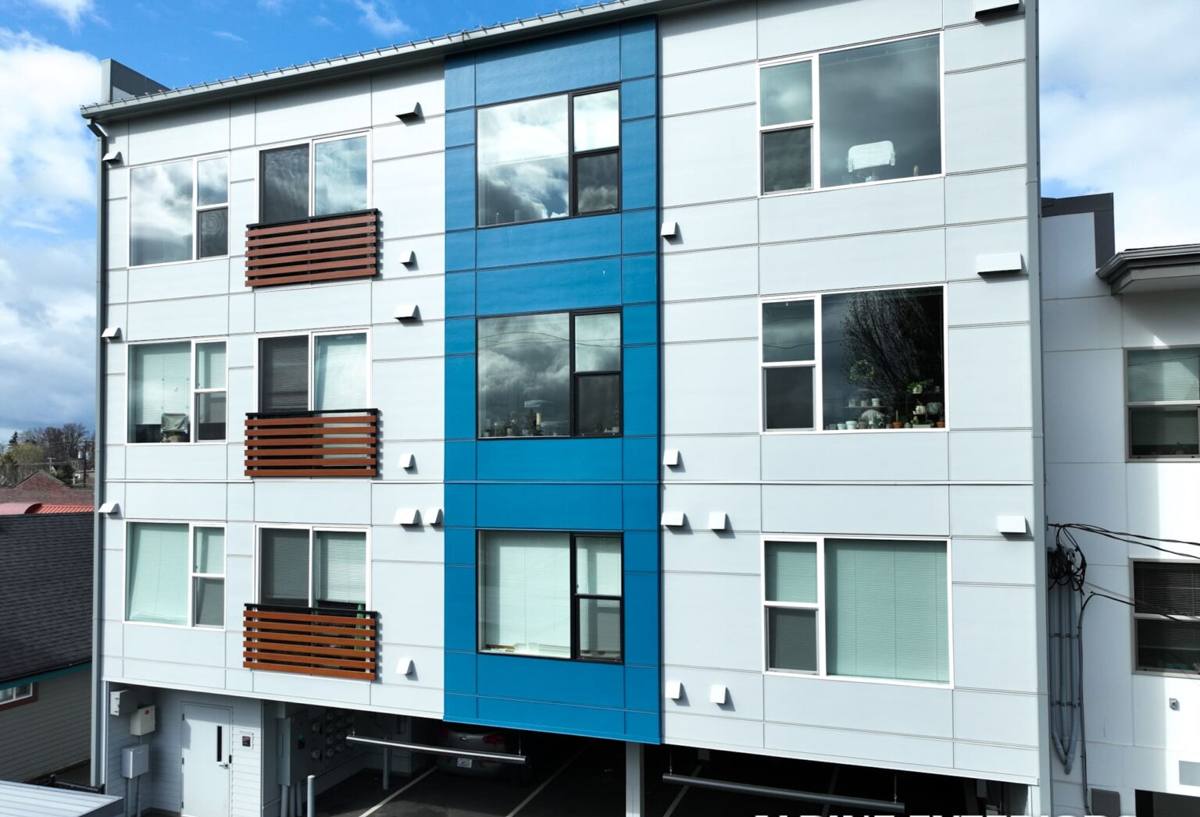
What Whatcom County Weather Does to Windows Over Time
It's worth understanding the specific ways this climate wears on a window, because it changes what "correct installation" actually means here.
Moisture Intrusion
Whatcom County gets a lot of sustained, wind-driven rain rather than short, heavy downpours. That kind of weather finds every gap in a poorly flashed window opening and pushes water behind the siding, not just onto it. Once water gets behind the window frame, it can sit there for months before anyone notices rot or staining on the inside.
Salt-Influenced Air
Homes closer to the bay and the broader Whatcom County coastline deal with airborne salt that accelerates corrosion on hardware, screws, and lower-grade metal components. Even homes set back from the water get some of this carried inland on the prevailing wind, which is why we don't treat corrosion resistance as an afterthought on any local job.
Moss and Organic Growth
Long wet seasons mean moss and algae get a real foothold on anything that stays shaded and damp — including window sills, trim, and the caulk lines around a frame. Growth that's allowed to establish itself can hold moisture against the window and slowly break down sealant and finish.
Temperature Swings and Condensation
Whatcom County winters aren't extreme, but the combination of cool nights, high humidity, and homes that are heated indoors creates real condensation potential on older or poorly sealed glass. That moisture cycling, day after day, is hard on seals and can eventually fog double-pane units from the inside.
Signs a Silver Beach Home Needs New Windows
Most homeowners don't think about their windows until something is obviously wrong, but there are earlier signs worth catching first.
- Fogging or a hazy film between the panes of a double-pane window — this means the seal has failed and the gas fill is gone
- Soft or discolored wood trim around the window frame, inside or outside
- Visible gaps, drafts, or a noticeable temperature difference near the window in winter
- Windows that are difficult to open, close, or lock, especially after painting or settling
- Moss or dark streaking building up on sills or lower trim that keeps returning after cleaning
- Rising heating bills without a clear cause elsewhere in the home
- Visible rust or corrosion on hinges, locks, or exterior hardware
- Peeling paint or bubbling finish on interior window trim, which often points to moisture working its way in from outside
Any one of these on its own isn't necessarily an emergency, but a few showing up together usually means the window or its installation has reached the end of its useful life.
What a Correct Window Installation Actually Involves
Swapping the sash for a new one and calling it done is how a lot of window problems start. A proper installation in this climate is really a small waterproofing project built around the window itself.
Removal and Opening Inspection
Once the old window is out, the rough opening gets a real look — not a glance. This is the point where hidden rot, old failed flashing, or framing damage from years of slow leaks gets found and dealt with, rather than sealed over and hidden behind a new window.
Flashing and Drainage
This is the single most important step for a wet climate. Flashing tape and drainage details need to be layered correctly — sill pan first, then side flashing, then head flashing — so that any water that does get past the exterior finish has a path back out instead of pooling inside the wall.
Air Sealing and Insulation
The gap between the window frame and the rough opening gets sealed and insulated properly, not just stuffed with whatever's on hand. Overfilling with the wrong foam can actually bow the frame and cause the window to operate poorly.
Exterior Finish Work
Trim, caulk, and any siding disturbed during the swap gets finished to shed water, not trap it. Caulk lines matter more here than in a drier climate, because they're doing more work over more months of the year.
Final Function Check
Every new window gets opened, closed, and locked to confirm it operates smoothly and seals tight, with no binding or gaps that would let wind-driven rain through.
Choosing the Right Window for This Climate
Material choice matters more here than in a mild, dry region. The table below covers the honest trade-offs of the frame materials most commonly used on homes like the ones in Silver Beach.
| Frame Material | Moisture & Salt Resistance | Maintenance | Typical Trade-Off |
|---|---|---|---|
| Vinyl | Good — won't rot or corrode | Low | Budget-friendly, but frame color and finish options are more limited |
| Fiberglass | Very good — dimensionally stable in wet, cool climates | Low | Higher upfront cost, but holds up well to repeated wet/dry cycling |
| Wood-Clad | Depends heavily on the cladding and correct installation | Moderate to high | Attractive interior wood look, but any breach in the exterior cladding can lead to hidden rot |
| Aluminum | Poor without thermal breaks — conducts cold and can corrode near salt air | Moderate | We generally steer homeowners away from bare aluminum frames on Whatcom County homes for this reason |
Beyond frame material, glass package matters too. Double-pane, low-E glass is the standard baseline for this climate; triple-pane adds real insulation value but also weight and cost, and is worth it mainly for homes with especially exposed north- or west-facing walls, or for owners prioritizing lower heating bills over the added expense.
What Affects the Cost of a Window Installation
Every home is different, so exact pricing depends on a site visit, but the main cost drivers on a Silver Beach job are usually:
- Number of windows and whether it's a full-home replacement or a handful of units
- Condition of the existing rough openings — hidden rot found during removal adds carpentry time
- Frame material and glass package selected
- Whether the job is a straightforward insert replacement or requires a full-frame tear-out
- Access — second-story or hard-to-reach windows take longer to stage and complete safely
Homeowners should treat any quote that skips a physical walkthrough of the openings with some skepticism — pricing a wet-climate job off photos or square footage alone tends to miss the framing issues that actually drive cost.
How Our Process Works
We keep the process straightforward and give homeowners a clear picture of what's happening at each stage:
- Free on-site estimate, including a look at existing window condition and framing where visible
- Written quote covering material options, scope, and timeline before any work is scheduled
- Removal and opening inspection, with any hidden damage discussed and priced before we proceed, not after
- Installation with full flashing, air sealing, and finish work — not just a frame swap
- Final walkthrough where every window is opened, closed, and checked with you before we consider the job done
We don't upsell products a home doesn't need, and we'll say plainly if a repair rather than full replacement makes more sense for a given window.
Why Local Experience in Silver Beach Matters
A crew that works regularly in Whatcom County knows what wind-driven rain off the bay actually does to a poorly flashed opening, because they've opened up enough old installations to see it firsthand. That experience shows up in small decisions — where extra flashing tape goes, which caulk holds up through a wet winter, how much clearance a sill needs for proper drainage — that a crew unfamiliar with this climate might skip without realizing the consequence. It also means faster, more accurate estimates, because we're not guessing at what this weather does to a home; we see it on jobs throughout the county on a regular basis.
If your windows in Silver Beach are fogging, drafting, sticking, or just showing their age, we're happy to take a look and give you a straight, no-pressure estimate — no obligation, and no pressure to replace more than what actually needs it. The form below is the easiest way to get started.