 Whatcom County
 Windows Built for Cordata's Climate, Not a Generic Catalog
Cordata sits in north Bellingham, close enough to Puget Sound and the Nooksack lowlands that its homes take on the full range of what Whatcom County weather can throw at a building envelope: salt-tinged marine air, months of driving rain, and a moss season that seems to start earlier and last longer every year. Windows here aren't just an aesthetic upgrade or an energy-bill line item. They're one of the largest openings in your home's shell, and if they're installed wrong or made from the wrong materials, they become the first place moisture, drafts, and rot show up.
A custom window job in Cordata means matching the window unit, the frame material, and the installation method to this specific climate and to your specific house — not pulling a standard size off a shelf and caulking around the gaps. This page walks through what that actually looks like, what a correct installation involves, and what to expect if you hire us to do it.
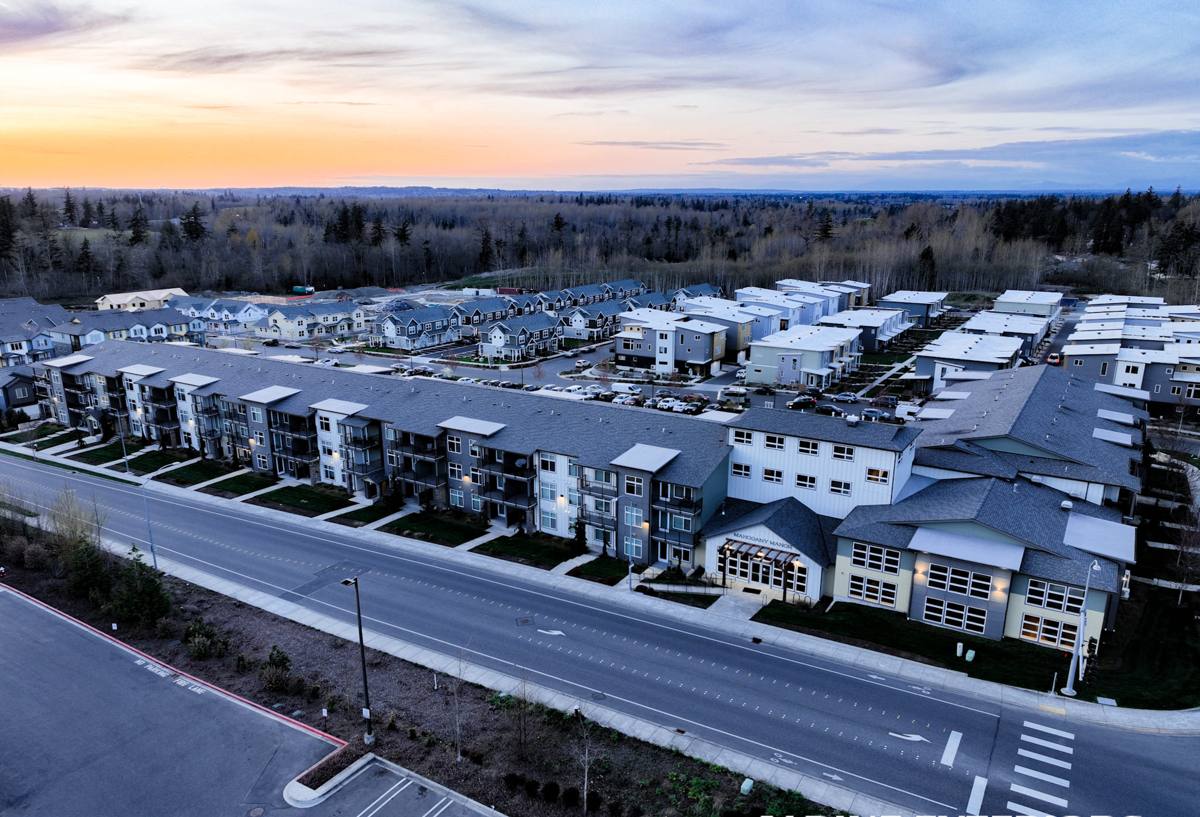
What Whatcom County Weather Does to Windows Over Time
It helps to understand what you're actually protecting against, because it changes which materials and details matter most.
Driving Rain and Wind-Driven Moisture
Whatcom County doesn't just get rain — it gets rain pushed sideways by wind off the Sound and the Strait of Georgia often enough that ordinary caulk-and-hope installations eventually fail. Water finds the smallest gap around a window frame and, once it's behind the siding, it can sit there for months without anyone noticing until trim starts to soften or drywall stains appear inside.
Salt Air and Corrosion
Homes in and around Cordata are close enough to marine air that metal window hardware, uncoated fasteners, and lower-grade aluminum components can start corroding years before they would inland. This doesn't mean you need to avoid metal-framed windows entirely, but it does mean hardware quality and finish matter more here than in a landlocked county.
Moss, Algae, and Prolonged Dampness
Whatcom County's moss season isn't a two-week nuisance — it's a long stretch of the year where anything shaded, north-facing, or slow to dry stays damp. Moss and algae growth around window frames and sills traps moisture against wood and paint longer than open sun would allow, which accelerates rot in wood-frame windows and speeds up seal degradation in vinyl and composite units alike.
Signs Your Cordata Home's Windows Need Attention
Most window failures don't announce themselves with a cracked pane. They show up as smaller, easy-to-ignore symptoms first. Watch for:
- Fogging or condensation between panes (a failed seal on double- or triple-pane glass)
- Soft or discolored wood trim around the frame, especially at the bottom corners
- Visible moss or dark streaking on the sill or exterior casing
- Drafts you can feel with a hand near the frame on a windy day
- Windows that stick, won't latch fully, or have become hard to open and close
- Paint or caulk that's cracked, peeling, or pulling away from the frame edge
- A musty smell near the window that wasn't there before, which can mean moisture behind the wall
Any one of these on its own might just mean routine maintenance. Several together, especially on the same window, usually means the unit or its installation has reached the end of its useful life.
Choosing the Right Window Materials and Glass
"Custom" doesn't have to mean expensive or unusual shapes — it means the frame material, glass package, and finish are chosen for your home's exposure, not defaulted to whatever's cheapest to stock. Here's how the common options stack up for a Whatcom County home:
| Frame Material | Moisture Resistance | Maintenance | Best Use Case Here |
|---|---|---|---|
| Vinyl | Good — won't rot, minimal seasonal movement | Low; occasional cleaning | Most homes; strong value in a wet climate |
| Fiberglass | Excellent — very stable in temperature and moisture swings | Low | Larger openings or homes with more sun/wind exposure |
| Wood, exterior-clad | Good exterior, but interior wood needs care | Moderate to high | Character homes wanting a real wood interior look |
| Aluminum | Fair — prone to condensation and corrosion near salt air unless thermally broken | Moderate | Limited use; mainly modern designs with proper detailing |
On the glass side, double-pane glass is standard and adequate for most Cordata homes, but triple-pane or upgraded low-E coatings are worth discussing on north-facing walls, rooms with a history of condensation, or homes closer to open, wind-exposed lots. The right call depends on your home's orientation and how the existing windows have actually performed — not a blanket recommendation.
What a Correct Custom Window Installation Actually Involves
The window unit itself is often the smaller part of getting this right. The installation details are where most long-term failures — or successes — actually happen.
Opening Prep and Inspection
Before a new window goes in, the rough opening gets inspected for existing damage: soft framing, old water staining, or signs of prior leaks. Any compromised material gets addressed before the new window goes in, not covered over.
Flashing and Drainage Path
This is the single most important step for a wet climate like ours. Proper flashing — including a sloped sill pan that directs any water that does get past the window back outside, rather than into the wall cavity — is what actually keeps driving rain out over the long run. Skipping or shortcutting this step is the most common cause of hidden rot behind window trim.
Sealing and Finish Work
Exterior sealant, back-dam details, and interior air sealing all need to work together. A window that's sealed well on the outside but not air-sealed on the inside can still let moisture-laden air condense inside the wall cavity. Trim and caulking are finished to shed water, not just to look clean.
Our Process, Start to Finish
1. On-Site Assessment
We look at the existing windows, the framing behind them where visible, and how that side of the house is exposed to wind and rain. This tells us what's actually failing and what materials make sense.
2. Measurement and Ordering
Custom windows are measured to your specific openings — older Whatcom County homes are rarely perfectly square — and ordered with the frame material, glass package, and hardware finish suited to the exposure we identified.
3. Installation Day
Old units are removed carefully to protect siding and interior finishes. The opening is inspected and repaired if needed, flashed correctly, and the new window is set, shimmed level and plumb, and sealed inside and out.
4. Walkthrough and Cleanup
We walk the finished work with you, check operation of every window installed, and clean up the job site before we leave.
What Affects Cost
We won't quote a fixed number without seeing the home, but the main cost drivers for a custom window project in this area are consistent:
- Number of windows and whether it's a full-home project or select replacements
- Frame material chosen (vinyl generally costs less than fiberglass or wood-clad)
- Glass package — standard double-pane versus triple-pane or upgraded coatings
- Condition of the existing opening — hidden rot or framing repair adds time and material
- Window size and shape, including any custom or non-standard openings
- Access and site conditions, such as second-story work or tight lot lines
As a rough starting point, straightforward vinyl replacement windows tend to run at the lower end of the market, while larger fiberglass or wood-clad custom units with upgraded glass run higher. The only way to get an honest number is a look at your actual windows and openings, which is what the estimate is for.
Why Hire a Crew That Already Works in Cordata
A contractor who's done work throughout Whatcom County — not just window installers in general — already understands how this climate behaves against a house over years, not just at the moment of installation. That means knowing which flashing details actually hold up through a full wet season here, which frame materials tend to age well against salt air and prolonged dampness, and what kind of moss and drainage issues tend to show up on north- and shade-exposed elevations common in this area. It also means being familiar with local permitting expectations and showing up prepared for the weather instead of losing days to it.
Keeping New Windows Performing Through Moss Season
New windows, correctly installed, need very little upkeep — but a little seasonal attention goes a long way in this climate:
- Rinse sills and frames periodically to keep moss and algae from establishing
- Check exterior caulking once a year, especially after a hard winter
- Keep gutters and downspouts clear so roof runoff isn't sheeting directly onto windows below
- Trim back vegetation that shades window areas and keeps them from drying out
None of this is difficult, but skipping it is how even a well-installed window ends up dealing with moisture problems it was designed to avoid.
If your Cordata home's windows are showing any of the signs above, or you're planning ahead for a replacement before winter, we're happy to take a look and walk you through honest options. Fill out the form below for a free, no-pressure estimate.