 Whatcom County
 Siding in Columbia Has to Work Harder Than a Brochure Suggests
Homes in the Columbia area of Whatcom County sit under a specific set of pressures most siding products were never designed around: salt-laden air moving in off the water, long stretches of driving rain that can come sideways for days at a time, and a moss season that stretches from fall through spring. None of that is dramatic on its own. What it does is grind away at cheaper materials year after year until a homeowner is repainting, recaulking, or replacing siding far sooner than they expected. We install James Hardie fiber cement siding exclusively, and on a property in this part of the county, the reasons for that show up fast.
This page is specifically about Hardie siding for Columbia homes — not a general product overview. If you already know the basics of fiber cement, skip ahead to the sections on local exposure, our install process, and cost factors.
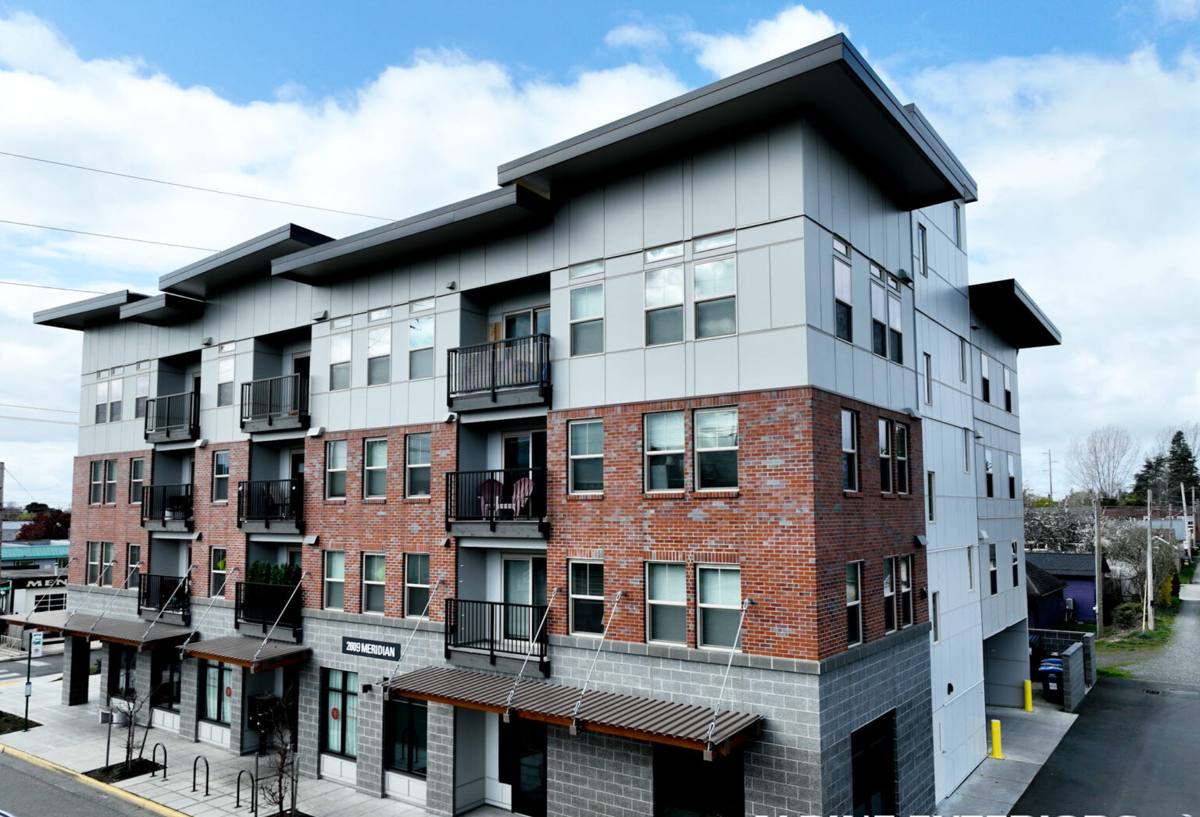
What Columbia's Climate Actually Does to Siding
Salt Air and Metal Fasteners
Proximity to Puget Sound and the Strait of Georgia means airborne salt is a real factor for Whatcom County exteriors, even homes that aren't waterfront. Salt accelerates corrosion in fasteners, flashing, and any exposed metal trim. Siding systems that trap moisture against wood substrate, or that rely on caulked seams to stay watertight, tend to fail faster in a salt-influenced environment because corrosion and rot compound each other — a rusted fastener loosens, water gets behind the panel, and the substrate underneath starts to go.
Driving Rain and Wall Assembly
Whatcom County doesn't just get rain, it gets rain pushed by wind, which means water is hitting siding at an angle instead of just running down the face. That puts real stress on laps, seams, and butt joints — any place two pieces of siding meet is a potential entry point. A wall assembly that isn't detailed correctly for wind-driven rain will eventually let moisture in, even if the siding material itself is sound.
Moss and Sustained Dampness
The long wet season here means siding, trim, and the shaded sides of a house stay damp for extended stretches, which is exactly the condition moss and algae need to establish. On porous or absorbent materials, that surface growth isn't just cosmetic — it holds moisture against the surface longer, which shortens the life of paint film and can accelerate substrate breakdown underneath.
Why We Install James Hardie and Nothing Else
James Hardie fiber cement is engineered specifically to resist the three things listed above: it doesn't rot, it's non-combustible, and its ColorPlus factory finish is baked on and formulated to hold color and resist fading and moisture intrusion far longer than a field-applied paint job. Hardie also builds region-specific HZ5 formulations for wetter, harsher climates like the Pacific Northwest — the product coming off the truck for a Whatcom County job is engineered for exactly the exposure described above, not a generic national spec.
We made the decision years ago to standardize on one manufacturer rather than offer a menu of siding options. That means we don't install vinyl, LP SmartSide, Cemplank, Allura, primed spruce, or cedar. Each of those has legitimate uses in the right application, but none of them match what we've seen hold up consistently against salt air, wind-driven rain, and moss pressure over the long haul. Standardizing lets our crews get genuinely good at one installation system instead of being average at five.
Hardie Product Lines Relevant to This Area
| Product | Best Use | Why It Fits Here |
|---|---|---|
| HardiePlank lap siding | Most exterior walls | Traditional look, factory-primed or ColorPlus finished, handles wind-driven rain well when lapped and flashed correctly |
| HardiePanel vertical siding | Accent walls, gables, modern builds | Fewer horizontal laps means fewer water entry points on high-exposure walls |
| HardieTrim boards | Corners, window and door trim, fascia | Resists the swelling and rot that wood trim suffers in sustained damp conditions |
| HardieSoffit panels | Eaves and overhangs | Keeps moisture and pest access out at a detail that's easy to get wrong |
What a Correct Installation Actually Involves
Fiber cement siding is only as good as the installation behind it. Hardie's own warranty and installation guidelines are specific for a reason — most siding failures we get called out to inspect aren't material failures, they're installation shortcuts that let water in behind a perfectly good product.
The Details That Matter Most in This Climate
- Weather-resistive barrier and rainscreen gap: A properly lapped house wrap plus a drainage gap behind the siding gives incidental moisture a way out instead of trapping it against the wall.
- Flashing at every penetration: Windows, doors, hose bibs, light fixtures — anything through the wall plane needs correctly lapped flashing, not just a bead of caulk.
- Correct fastener type and placement: Given the salt exposure in this area, corrosion-resistant fasteners placed per Hardie's nailing schedule matter more here than in a dry inland climate.
- Proper clearance at grade and roof lines: Siding installed too close to the ground, a deck, or a roof surface will wick moisture continuously, regardless of the material.
- Joint treatment at butt seams: Sealed and backed correctly, or designed to shed water rather than relying on caulk alone.
- Factory-cut edges primed or sealed: Field cuts expose raw fiber cement that needs to be sealed to maintain the product's moisture resistance.
Our Process on a Columbia Project
1. On-Site Assessment
We look at the whole wall system, not just the visible siding — current moisture damage, trim condition, window flashing, and how the house is oriented relative to prevailing wind and rain. A wall facing the weather needs different attention than a sheltered side of the same house.
2. Tear-Off and Substrate Check
Once old siding comes off, we check sheathing for rot or soft spots before anything new goes up. Covering damaged substrate with new siding just hides a problem that will resurface.
3. Weather Barrier and Drainage Plane
House wrap and, where called for, a rainscreen gap go in before any Hardie product touches the wall. This is the layer that actually keeps a home dry long-term — the siding is the second line of defense, not the first.
4. Installation to Hardie Spec
Panels or planks go up per Hardie's fastening, clearance, and lapping requirements, with flashing detailed at every window, door, and penetration.
5. Trim, Caulk, and Final Detailing
Trim boards, corner details, and any necessary sealant go in last, using products compatible with the ColorPlus finish so color and sheen stay consistent.
6. Walkthrough
We walk the finished job with the homeowner and point out anything they should keep an eye on going forward, including basic moss-prevention maintenance.
Cost Factors for a Columbia Home
Every home is different, but the variables that move the price on a Hardie project in this area are fairly consistent. We don't quote broad numbers without seeing the house, but here's what actually drives cost up or down:
| Factor | Effect on Cost |
|---|---|
| Extent of substrate repair needed | Rot or soft sheathing found during tear-off adds labor and material before new siding can go up |
| Wall complexity (dormers, gables, multiple stories) | More cuts, more flashing details, more labor time |
| Product line and finish chosen | HardiePanel vs. HardiePlank, and factory ColorPlus vs. primed-for-paint, shift material cost |
| Trim and soffit scope | Full trim and soffit replacement costs more than siding alone but closes gaps that cause failures |
| Site access and exposure | Waterfront or heavily wind-exposed walls sometimes warrant extra flashing detail |
Why Hiring a Crew That Already Works This Area Matters
A crew unfamiliar with Whatcom County's coastal exposure can install Hardie siding technically "to code" and still leave a house vulnerable — because code minimums and best practice for salt air and driving rain aren't always the same thing. A contractor who works Columbia and the surrounding area regularly has already seen which details fail first in this specific climate: which walls take the worst of the wind-driven rain, where moss establishes fastest, and which flashing shortcuts show up as callbacks two winters later. That local pattern recognition is worth more than a generic national installation checklist.
It also matters for warranty support. James Hardie's product warranty and workmanship coverage both depend on correct installation — a local crew that stands behind its own work, and that Hardie recognizes as a trained installer, gives homeowners an actual path to resolution if something needs attention down the road, rather than a manufacturer warranty with no local installer to call.
Maintenance After Installation
One advantage of switching to Hardie in this climate is how little ongoing maintenance it demands compared to wood or engineered wood siding. That said, "low maintenance" isn't "no maintenance," especially with a moss season this long.
- Rinse siding annually, especially shaded and north-facing walls where moss and algae take hold first.
- Keep gutters clear so overflow doesn't run down the wall face repeatedly.
- Trim back vegetation and tree cover that keeps siding shaded and damp longer than necessary.
- Inspect caulk lines at trim and penetrations every year or two and recaulk as needed.
- Address any small impact damage or chipping promptly so the underlying material doesn't stay exposed.
Signs Your Current Siding Is Already Losing the Fight
If you're in the Columbia area and any of the following sound familiar, it's worth having your siding looked at before it becomes a substrate problem: paint that's peeling or bubbling faster than it used to, soft spots when you press on siding near the bottom of walls, persistent moss or dark staining that comes back within weeks of cleaning, or visible gaps opening at seams and trim joints. None of these are emergencies by themselves, but they're the early signals that moisture has started winning.
If you'd like a straightforward look at what your home's exterior actually needs, we're happy to come take a look. There's no pressure and no obligation — just a clear read on where things stand and what a correctly installed Hardie system would involve for your specific house. Use the form below to request a free estimate.