 Whatcom County
 Why Sunnyland Roofs Wear Differently
Sunnyland sits close enough to Bellingham Bay that salt-laden air is a regular part of the weather, and that changes how a roof ages. Salt air accelerates corrosion on exposed metal — fasteners, flashing, vent caps, gutter hangers — faster than it would inland. Combine that with Whatcom County's long wet season and the mature tree canopy common in older Sunnyland lots, and you get a roofing environment that's genuinely tougher on materials than a lot of manufacturers' warranty testing accounts for.
Driving rain off the water doesn't just fall straight down here; wind-driven storms push moisture sideways and under shingle tabs, into vents, and around chimney flashing. A roof that would hold up fine in a drier, calmer climate can develop leaks in Sunnyland simply because the water is attacking it from angles the original installer didn't plan for. And then there's moss. Shaded, north-facing slopes and roofs under overhanging trees stay damp for months at a time, which is exactly what moss and algae need to take hold and start working their way under shingle edges.
None of this means a roof in Sunnyland is doomed to fail early. It means the replacement has to be built for these specific conditions — correct materials, correct detailing at every penetration and edge, and ventilation that actually dries the roof deck out between storms.
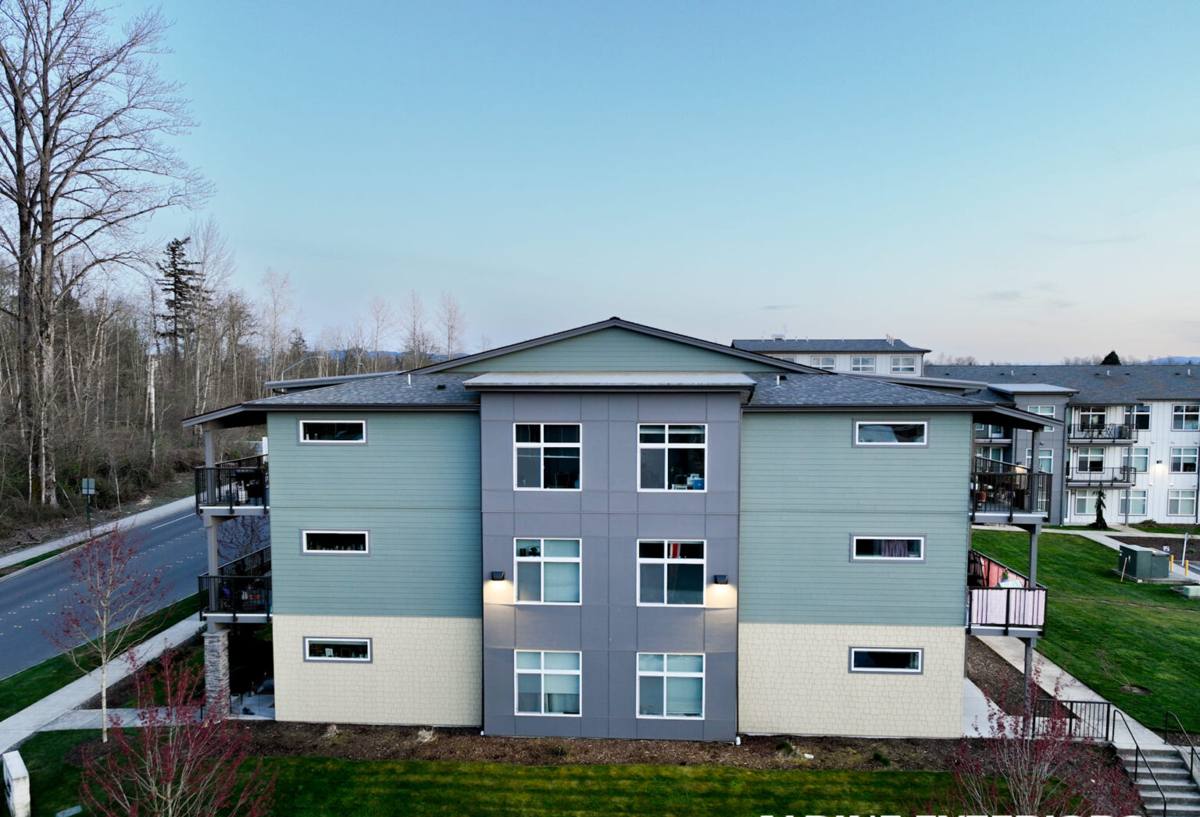
Signs Your Sunnyland Home Needs a Roof Replacement
Most homeowners call us after noticing one obvious problem, but a proper inspection almost always turns up two or three other issues that are just as important. Here's what we look for, and what you can check yourself before deciding whether replacement makes more sense than another round of patching:
- Granule loss heavy enough that shingles look patchy or bald, especially on south- and west-facing slopes
- Shingles that are cupping, curling at the edges, or cracking when you look closely
- Moss or thick algae growth that's lifted shingle edges rather than just staining the surface
- Soft spots or sagging when you look down the roofline from the ground
- Daylight visible through the attic roof boards, or damp insulation and staining on attic rafters
- Flashing around chimneys, skylights, or vent pipes that's rusted, lifted, or was never properly sealed
- A roof that's 20+ years old on standard asphalt shingles, regardless of how it looks from the street
- Rising energy bills that track with poor attic ventilation or failing insulation under the roof deck
If you're only seeing one or two of these, a repair may genuinely be the right call — we'll tell you that if it's true. Replacement makes sense when the underlying materials (deck, underlayment, flashing) are compromised, not just the top layer of shingles.
What a Correct Roof Replacement Involves
Tear-Off and Deck Inspection
We remove the existing roofing down to the deck rather than layering over it. That's the only way to find rot, soft plywood, or delaminated sheathing before it becomes a hidden problem under a brand-new roof. In a climate as wet as Whatcom County's, skipping this step is how homeowners end up with a roof that looks fine for two years and then starts failing from the inside out. Any damaged decking gets replaced before anything new goes down.
Underlayment and Ice-and-Water Protection
Synthetic underlayment goes down over the full deck as the roof's real waterproofing layer — the shingles above it are the first line of defense, but the underlayment is what keeps the house dry if wind-driven rain gets past them. Along eaves, valleys, and any low-slope transitions, we add self-adhered ice-and-water membrane. It's not really about ice here so much as it is about the sideways, driving rain Sunnyland gets off the bay, which pushes water into exactly the spots this membrane protects.
Ventilation
A roof deck that can't breathe stays damp longer after every storm, and a damp deck is what feeds moss, rots sheathing, and shortens shingle life. We check intake ventilation at the soffits and exhaust ventilation at the ridge or roof vents, and correct the balance where it's missing. This is one of the most commonly skipped steps in cheaper roof jobs, and it's one of the biggest reasons roofs in this climate fail early.
Flashing and Roof Penetrations
Every chimney, skylight, vent pipe, and roof-to-wall transition is a place water can get in if the flashing isn't done right. We use new metal flashing at every penetration rather than reusing old pieces or relying on roofing cement as a substitute for proper flashing — cement breaks down and cracks over a few seasons, especially with the temperature swings and constant moisture in this area.
Moss and Algae Resistance
On shaded slopes and roofs under tree cover, we install zinc or copper strips near the ridge, which release trace metal ions with every rain that inhibit moss and algae growth down the slope below them. We also talk through realistic tree-trimming and gutter-cleaning schedules, because no shingle — however moss-resistant — will stay clean under a roof that never sees direct sun or airflow.
Choosing the Right Roofing Material for Sunnyland
Material choice matters more here than in drier climates, because moisture exposure and moss pressure separate the products that hold up from the ones that don't.
| Material | Moisture & Moss Performance | Typical Lifespan | Notes for This Climate |
|---|---|---|---|
| Architectural asphalt shingles | Good with proper ventilation and algae-resistant granules | 25–30 years | Our most common recommendation; balances cost and durability well |
| 3-tab asphalt shingles | Fair; thinner profile is more moss-prone over time | 15–20 years | Lower upfront cost, but shorter service life in this climate |
| Standing seam metal | Excellent; sheds moisture and resists moss well | 40–50+ years | Higher upfront cost; salt air requires quality coatings and fasteners |
| Cedar shake | Requires ongoing maintenance to resist moss and rot | 20–30 years with upkeep | We're honest that the maintenance burden is real in a wet, shaded lot |
| Synthetic/composite shingles | Good; consistent manufacturing tolerances help with moisture behavior | 30–40 years | Worth considering where appearance and low maintenance both matter |
We don't push cedar shake for heavily shaded Sunnyland lots as a rule — it's a beautiful product, but the maintenance schedule needed to keep moss off it in a climate this wet is more than most homeowners want to keep up with. That's our professional standard, not a knock on the material itself; on a sunnier, more exposed roof it can perform well for years.
Our Roof Replacement Process
- Inspection and estimate. We get on the roof, check the attic, and give you a written estimate with the actual condition of your deck, flashing, and ventilation — not just a shingle quote.
- Material selection. We walk through options based on your roof's exposure, shade, slope, and budget, with honest trade-offs for each.
- Scheduling around the weather. We plan tear-off days around the forecast and never leave a deck exposed overnight without protection.
- Tear-off and deck repair. Old materials come off, the deck gets inspected, and any damaged sheathing is replaced before we move forward.
- Underlayment, flashing, and ventilation correction. This is where the real waterproofing and long-term performance of the roof gets built in.
- New roofing installation. Installed to manufacturer specification so your warranty is actually valid, not voided by shortcuts.
- Final walkthrough and cleanup. We check the finished roof with you, clear the site of debris and nails, and confirm everything before we consider the job done.
What Drives the Cost of a Roof Replacement
| Factor | Why It Matters |
|---|---|
| Roof size and pitch | Steeper roofs take longer and require more safety setup, which affects labor cost |
| Deck condition | Rotted or soft sheathing found during tear-off adds material and labor |
| Material choice | Asphalt, metal, and composite products span a wide cost range per square |
| Number of penetrations | Chimneys, skylights, and vent pipes each need individual flashing work |
| Ventilation corrections | Adding intake or exhaust venting where it's missing is a worthwhile add, not a padded line item |
| Access and tree cover | Tight lots and overhanging branches can slow tear-off and disposal |
We give written estimates that break these out so you can see exactly what you're paying for, rather than a single lump-sum number. If your budget doesn't stretch to your first-choice material, we'll tell you honestly which corners are safe to cut and which ones aren't.
Why a Crew That Already Works Sunnyland Matters
A roofing crew that's worked this neighborhood before already knows which slopes tend to hold moss, how the bay's salt air treats exposed fasteners over time, and how local permitting works. That's not a small thing — it means fewer surprises during tear-off and a roof that's specified correctly the first time instead of adjusted after a callback. We're a Whatcom County crew working Whatcom County roofs, not a traveling outfit sizing up a new market. That matters when you need someone to actually stand behind the work in year five or year fifteen, not just at closeout.
Maintaining Your New Roof Through Moss Season
A correctly installed roof still needs basic upkeep to hit its full lifespan here. Keep gutters clear so water isn't backing up under the eaves, especially during the fall when trees are dropping debris right as the wet season ramps up. Trim back branches that shade the roof directly, since airflow and sunlight are the simplest moss deterrents there are. Have the roof looked at every couple of years, particularly after any major windstorm, so small flashing or fastener issues get caught before they turn into a leak. Zinc or copper strips installed at the ridge will keep working for years with no maintenance required on your part.
If you're weighing whether your Sunnyland roof needs replacing or just some targeted repair work, we're happy to take a look and give you a straight answer either way. Reach out for a free, no-pressure estimate using the form below.