 Whatcom County
 Deck Building in South Hill: Built for This Climate, Not Just Any Climate
A deck in South Hill has to do more work than a deck in a dry inland climate. Between the salt-laden air coming off the water, the driving rain that finds its way into every gap and joint, and a moss season that can stretch across most of the year, Whatcom County decks take a beating that most national "how to build a deck" guides never account for. We build decks specifically for this environment, not a generic version we then hope holds up here.
This page covers what a South Hill deck actually needs, what a correct build looks like from the ground up, how our process works, and what to expect in terms of maintenance once it's finished. If you're comparing quotes or just trying to understand what you're paying for, this should give you a real answer instead of a sales pitch.
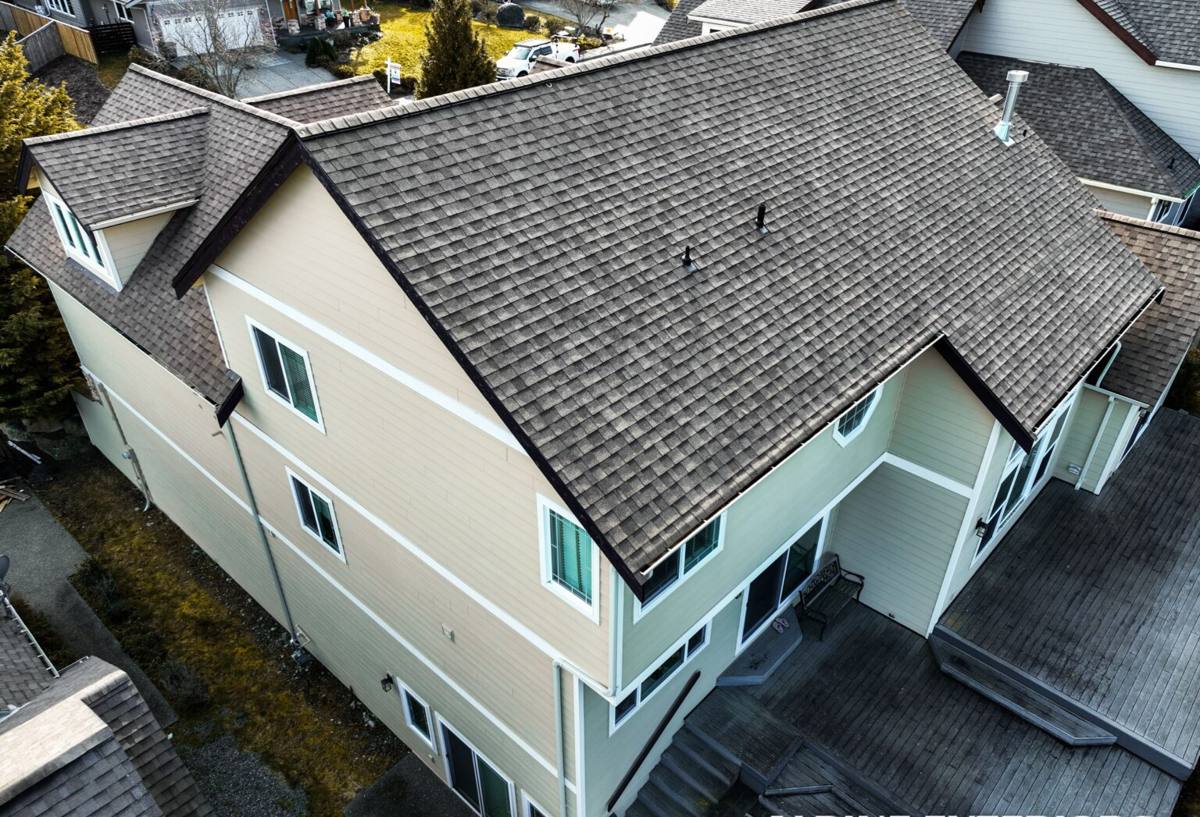
What South Hill's Climate Actually Does to a Deck
Whatcom County sits close enough to the water that salt air is a real factor for a lot of South Hill properties, even ones that aren't right on the shoreline. Add in the region's long stretch of wet weather and the shaded, damp conditions that let moss take hold, and you've got three separate mechanisms working against an outdoor structure at the same time.
Salt Air and Corrosion
Salt in the air accelerates corrosion on anything metal — fasteners, brackets, railing hardware, and structural connectors. A deck built with the wrong grade of fastener can start showing rust streaks and weakened connections years before it should, even if the decking material itself still looks fine. This is one of the most common shortcuts we see on decks that were built cheap or built by out-of-area crews who didn't price for it.
Driving Rain and Water Intrusion
Rain here doesn't just fall straight down — wind-driven rain gets pushed sideways into ledger boards, under railing posts, and into any joint that isn't properly flashed or sealed. Water that gets trapped instead of shed causes rot in framing lumber, delamination in composite boards, and slow structural failure that's often invisible until a board or post gives way.
Moss and the Long Wet Season
Shaded decks, north-facing decks, and decks under tree cover in this area grow moss for a large part of the year, not just a few weeks in spring. Beyond the cosmetic issue, moss holds moisture against the deck surface and framing, and it turns boards slick and genuinely dangerous underfoot, especially on stairs.
Choosing Decking Material for a South Hill Property
There's no single "best" decking material — there's a best material for your specific site conditions, budget, and how much upkeep you're willing to do. Here's how the common options actually perform under South Hill conditions specifically.
| Material | Salt Air Behavior | Moss/Moisture Resistance | Maintenance | Typical Lifespan |
|---|---|---|---|---|
| Pressure-treated wood | Fine with stainless or coated fasteners; untreated hardware corrodes fast | Needs regular cleaning and sealing or moss takes hold quickly | Annual cleaning, periodic staining/sealing | 15-20 years with upkeep |
| Cedar | Naturally decent rot resistance; hardware still needs to be corrosion-rated | Better than pine/fir but still needs cleaning in shaded areas | Regular sealing to hold color and resist moisture | 15-25 years with upkeep |
| Composite decking | Handles salt air well; core doesn't rust | Surface can still grow moss/algae film and gets slick if not cleaned | Periodic washing, no staining/sealing needed | 25-30+ years |
| PVC/capped polymer | Excellent, fully sealed surface | Best moisture resistance of the group; still benefits from occasional washing | Lowest maintenance of the options | 25-30+ years |
Composite and PVC decking cost more up front but remove a lot of the ongoing maintenance burden that wood carries in this climate. Wood costs less initially but only holds up if the owner keeps up with cleaning and sealing on a real schedule — something that's easy to fall behind on. We'll walk through the honest trade-offs for your specific site rather than pushing whatever has the best margin.
What a Correctly Built Deck Involves Here
A deck that's going to hold up in Whatcom County isn't just "the same deck, but with better boards." The details in the substructure matter as much as the visible surface.
Footings and Framing
Footings need to be sized and set to local code depth so frost and ground movement don't shift the structure over time. Framing lumber should be rated for ground contact or exterior exposure as appropriate, and joists need enough spacing and airflow underneath to actually dry out between rain events instead of staying damp.
Flashing and Ledger Attachment
Where a deck attaches to the house, the ledger board and flashing are the single most common failure point we see on older decks in this area. Water that gets behind an improperly flashed ledger doesn't just rot the ledger — it can work its way into the house's rim joist and wall structure. This connection gets built once and needs to be right the first time.
Fasteners and Hardware
Every screw, bolt, joist hanger, and post base should be rated for the corrosive environment — stainless steel or a coating rated for coastal/marine-adjacent exposure, not standard interior-grade hardware. This is a small line-item cost difference that prevents a much larger repair bill down the road.
Drainage and Board Spacing
Board gapping needs to account for both drainage and the material's expansion/contraction so water sheds instead of pooling, and so moss and debris don't build up in tight seams. Getting this spacing wrong is a common reason decks develop persistent damp spots and premature moss growth in specific areas even when the rest of the deck sheds water fine.
Our Deck Building Process
We walk every South Hill deck project through the same sequence, because skipping steps is where problems start.
- Site assessment — we look at sun exposure, drainage patterns, existing structure (if it's a rebuild), and how exposed the site is to wind-driven rain and salt air.
- Design and material selection — we talk through material options honestly, including maintenance expectations, not just upfront cost.
- Permitting — we handle the permit process with the local jurisdiction so the structure is inspected and documented correctly.
- Demolition or site prep — old structures are removed and the site is checked for hidden rot or drainage issues before new framing goes in.
- Footings and framing — footings, posts, beams, and joists go in to spec, with corrosion-rated hardware throughout.
- Decking, railing, and stairs — surface material and railings are installed with proper spacing and attachment.
- Final inspection and walkthrough — we go over the finished deck with you, including a straightforward maintenance rundown.
Permits and Local Code Considerations
Most deck projects that sit above a certain height off grade, or that attach to the house, require a permit and inspection in Whatcom County and the surrounding jurisdictions. Guardrails are typically required once a deck reaches a certain elevation, and stair and railing spacing follow code minimums for safety. Requirements can vary depending on the specific jurisdiction and the scope of the project, which is part of why we handle the permitting conversation directly rather than leaving you to figure it out. Skipping permits on a deck that requires one can create real problems later — at resale, with insurance, or if there's ever a structural issue.
Maintenance: What Actually Keeps a South Hill Deck Sound
Whatever material you choose, a little consistent maintenance goes a long way in this climate. Here's the realistic checklist we give homeowners after a build.
- Sweep debris (leaves, needles, moss buildup) off the surface regularly, especially in shaded or covered areas
- Clean the deck surface at least once or twice a year to remove algae/moss film before it gets established
- Check and clear gaps between boards so water and debris don't pack in and hold moisture
- Inspect fasteners and hardware periodically for rust streaks or loosening, particularly near the ledger and stairs
- Reseal or restain wood decking on the schedule appropriate to the product — don't wait until it's visibly failing
- Check under the deck once a year for standing water, damp framing, or signs of pest activity
- Address any soft, spongy, or discolored boards immediately rather than waiting for a full failure
Warning Signs You Shouldn't Ignore
A few signs point to problems that are worth a professional look rather than DIY patching: soft or spongy decking underfoot, rust streaks running down from fasteners or hardware, a railing or post that flexes more than it used to, persistent standing water anywhere on the surface, or moss that keeps coming back within weeks of cleaning. Any of these can indicate the issue is in the structure, not just the surface.
What Affects the Cost of a New Deck
Every deck is priced around the specifics of the site and the material, but a few factors consistently move the number the most.
| Cost Factor | Why It Matters |
|---|---|
| Decking material | Wood costs less upfront; composite and PVC cost more but reduce long-term maintenance spending |
| Deck height and footing depth | Elevated decks need deeper footings, taller posts, and code-required guardrails |
| Ledger attachment complexity | Proper flashing and structural tie-in to the house takes more time to do correctly than a freestanding deck |
| Site access and exposure | Sites with heavy rain/wind exposure or difficult access can affect labor and material choices |
| Railing and stair design | Custom railing styles, glass panels, or multiple stair runs add material and labor |
| Permitting scope | Larger or elevated structures typically require more inspection steps |
We give straightforward, itemized estimates so you can see where the money is actually going rather than a single lump number.
Why Hire a Crew That Already Works in South Hill
Building decks in Whatcom County isn't the same job as building them somewhere dry and inland. A crew that already works this area knows which fastener grades hold up against the salt air, how to detail ledger flashing so it actually sheds wind-driven rain, and which sites are going to fight moss no matter what material goes down. That's not something you pick up from a general contracting background alone — it comes from building and maintaining decks in this specific climate over time. We'd rather build it right the first time than come back in five years to fix rot and rust that shouldn't have happened.
If you're planning a new deck or replacing one that's showing its age, we're happy to walk the site with you and give you a straightforward, no-pressure estimate — just fill out the form below.