 Whatcom County
 Why Siding Fails Faster in Barkley Than It Should
Barkley sits inside Whatcom County's marine climate zone, which means homes here deal with a combination most inland siding never has to survive: salt-laden air drifting off the water, long stretches of driving rain pushed sideways by coastal wind, and a moss season that can run from late fall through spring. None of those three things is dramatic on its own. Together, over years, they're what separates a siding job that looks good for two decades from one that starts failing at year eight.
Salt air is corrosive to exposed fasteners and accelerates the breakdown of coatings that aren't rated for it. Driving rain doesn't just wet the surface of a wall — it tests every seam, every piece of flashing, and every point where the siding meets a window, door, or trim board. And moss doesn't just grow on roofs; given enough shade and moisture, it takes hold on north-facing siding, in overlaps, and around ground-level trim, holding water against the material long after the rain stops.
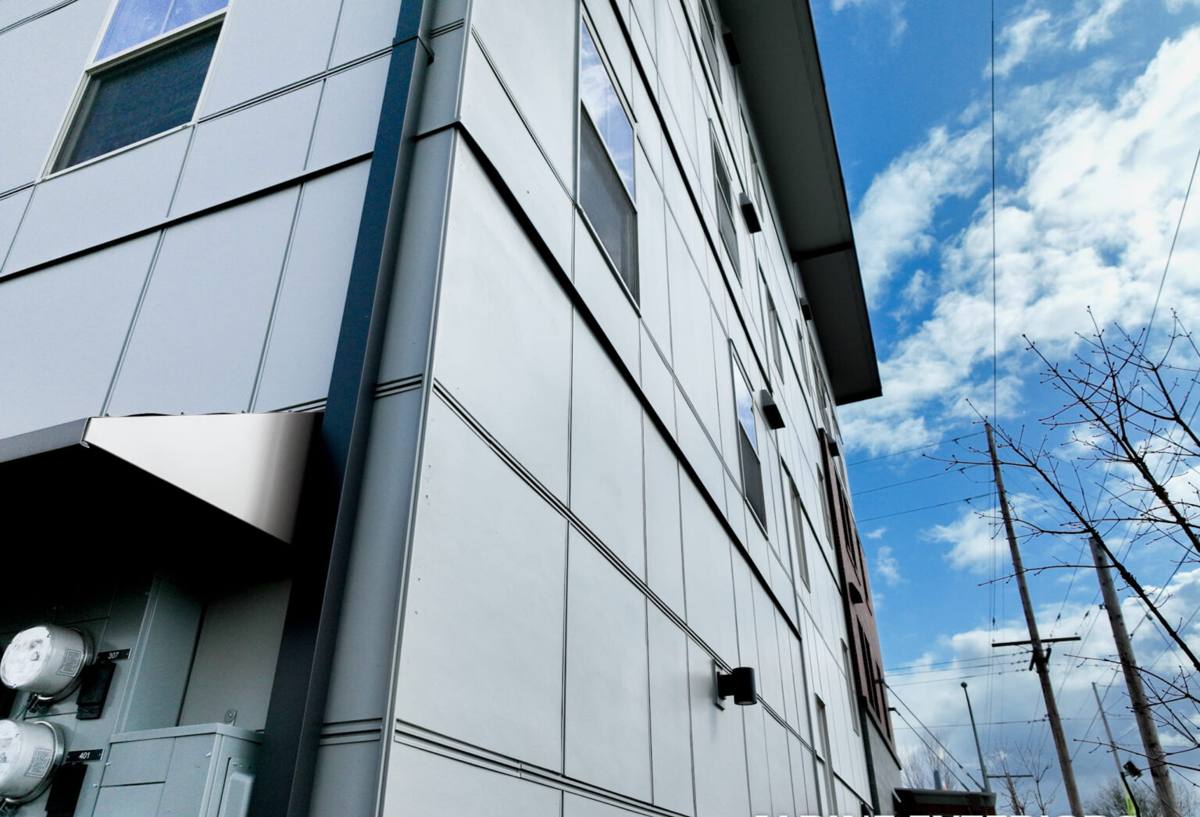
What This Means for a Siding Replacement Done Right
A correct siding replacement in Barkley isn't just about picking a product and nailing it up. It's about designing the wall assembly to handle the specific way water moves through this climate. That includes:
- A drainage plane (weather-resistant barrier) installed with proper overlaps, not just stapled on and covered
- A rain screen gap behind the siding so water that gets past the surface can drain and the wall can dry, instead of staying trapped against the sheathing
- Flashing at every horizontal transition — window heads, door tops, trim boards, and butt joints — so water is directed out, not funneled behind the siding
- A fastening pattern and fastener type that won't corrode or work loose under repeated wet-dry cycles
- Factory-finished material where the paint layer is baked on and consistent, rather than field-applied and dependent on weather conditions the day it's painted
Skip any one of these and the siding may still look fine on installation day. The problems show up two, five, or ten years later, usually as soft spots, staining, or paint failure at the exact seams and transitions where the shortcuts were taken.
Why We Install James Hardie Fiber Cement and Nothing Else
We standardized on James Hardie fiber cement for every home we work on, including in Barkley, because it's the product that actually holds up to the failure modes this climate creates. Fiber cement doesn't absorb and swell with moisture the way wood-based siding products can, and it doesn't degrade under UV and salt exposure the way some coatings do over time. It's also non-combustible, which matters more each wildfire season even in a wet region like this one.
Hardie's ColorPlus finish is baked on in a controlled factory process, not brushed on at the jobsite, which means the color holds up more consistently against the fading and chalking that field-applied paint can suffer under years of coastal sun and salt air. Hardie also builds climate-specific HZ product lines engineered around moisture exposure, which is directly relevant to a marine climate like Whatcom County's.
We don't install vinyl, LP SmartSide, Cemplank, Allura, primed spruce, or cedar. That's not because those products have no merit — some of them perform reasonably well in the right application. It's because, given what we see repeatedly in this climate specifically, fiber cement from Hardie is the product we're willing to warranty and stand behind on a home that's going to take driving rain and salt air for the next 30-plus years.
Signs a Barkley Home Needs Siding Replacement Now
Visual and Physical Signs
- Soft or spongy spots when you press on the siding, especially near the bottom courses or under windows
- Persistent moss or algae staining that returns within a season of cleaning
- Paint that's peeling, bubbling, or chalking heavily rather than just fading evenly
- Visible gaps, warping, or cupping in individual boards or panels
- Rust streaking below fasteners, a sign the fastener itself is corroding
Signs Inside the Home
Siding failure often shows up indoors before it's obvious outdoors: musty smells near exterior walls, peeling interior paint or wallpaper on an exterior wall, or a noticeable draft around window and door trim. By the time these interior signs appear, moisture has usually been working behind the siding for a while, which is why an exterior-only inspection can miss the real extent of the problem.
Our Process for a Barkley Siding Replacement
- Inspection and assessment — we check the current siding, sheathing, and any evidence of moisture intrusion before quoting anything, since a replacement plan should reflect what's actually happening behind the old siding, not just its surface condition.
- Tear-off — full removal of the old siding and inspection of the sheathing underneath. Any water-damaged sheathing gets addressed before new material goes up; installing new siding over a compromised substrate just hides the problem.
- Weather barrier and rain screen — a new drainage plane goes on with correct overlaps, followed by a rain screen gap so the wall assembly can drain and dry as designed.
- Flashing and trim — flashing at windows, doors, and horizontal transitions, installed before the siding goes over it, not caulked in as an afterthought.
- Hardie installation — installed to James Hardie's published fastening and clearance specifications, which is also what keeps the manufacturer's warranty intact.
- Final detailing — caulking at appropriate joints only (not as a substitute for flashing), touch-up where needed, and a walkthrough before we call the job done.
Siding Options Compared for a Whatcom County Coastal Climate
| Factor | Vinyl | Wood / Primed Spruce / Cedar | James Hardie Fiber Cement |
|---|---|---|---|
| Moisture behavior | Doesn't absorb water, but can warp and gap; seams are vulnerable | Absorbs moisture, prone to rot and swelling without diligent upkeep | Doesn't absorb water like wood; engineered for wet climate exposure |
| Salt air resistance | Coating can chalk and become brittle over time | Finish breaks down faster; needs frequent refinishing | Factory finish holds color and integrity longer under salt exposure |
| Fire rating | Combustible | Combustible | Non-combustible |
| Maintenance | Low, but repairs are visible and hard to color-match | High — regular repainting/sealing required | Low — factory finish, occasional wash and inspection |
| Typical lifespan when installed correctly | 15-25 years | 10-20 years depending on species and upkeep | 30+ years |
Cost Factors for a Barkley Siding Replacement
Every siding job's cost depends on the same handful of variables, and it's worth understanding them before you get quotes so you can compare apples to apples:
- Home size and wall complexity — more corners, dormers, and trim details mean more labor per square foot
- Condition of the existing sheathing — hidden water damage found during tear-off can add scope, which is why a thorough inspection matters more than a quick estimate
- Siding profile and accessories — lap width, trim style, and corner details all affect material cost
- Access — homes with tight lot lines, slopes, or limited equipment access take longer to work around
- Existing moisture or rot repair — any sheathing or framing repair is priced separately from the siding install itself
Rather than quote a number that doesn't reflect your actual home, we walk the property first. A ballpark without an inspection isn't useful to either of us.
What to Check Before Hiring Anyone for This Job
- Do they install to the manufacturer's documented fastening and clearance specs, or "however it's always been done"?
- Will they show you the sheathing before it's covered back up?
- Do they include a rain screen gap and proper flashing detail, or just weather barrier and siding?
- Are they licensed and insured, and will they put the warranty terms in writing?
- Have they worked in Whatcom County's coastal conditions specifically, or mostly in drier inland climates?
Why a Crew That Already Works Barkley Matters
A crew that's worked this part of Whatcom County knows what driving rain off the water does to a wall assembly that isn't detailed correctly, and knows which north- and west-facing exposures around Barkley tend to hold moss and shade longest through the year. That's not abstract knowledge — it changes where we pay extra attention to flashing, how we sequence a tear-off around the weather, and which details we don't cut corners on even when a homeowner isn't asking for them. Local experience doesn't replace following the spec, but it does mean fewer surprises and a crew that already understands the conditions your siding has to survive.
If your home in Barkley is due for new siding, we're happy to come take a look, walk you through what we find, and put together a straightforward, no-pressure estimate — no obligation either way.