 Whatcom County
 Siding Installation in Lynden: What Local Homes Actually Need
Lynden sits inland from the coast, in the Nooksack River valley, but that doesn't mean it's spared from Whatcom County's wet, marine-influenced climate. Homes here deal with long stretches of steady rain from fall through spring, high humidity off the surrounding farmland and river bottom, and a moss and algae season that can run most of the year on north-facing walls and shaded elevations. Add in the region's freeze-thaw swings during cold snaps, and you've got a set of conditions that punishes siding installed without real attention to detail.
A siding installation in Lynden isn't just about picking a product and nailing it up. It's about how the wall assembly handles water that's going to hit it constantly, how it manages moisture that wants to sit against wood-framed walls, and how it holds its finish through years of damp, low-light weather. This page focuses on exactly that: what siding installation for a Lynden home should involve, and why the details matter more here than they would in a drier climate.
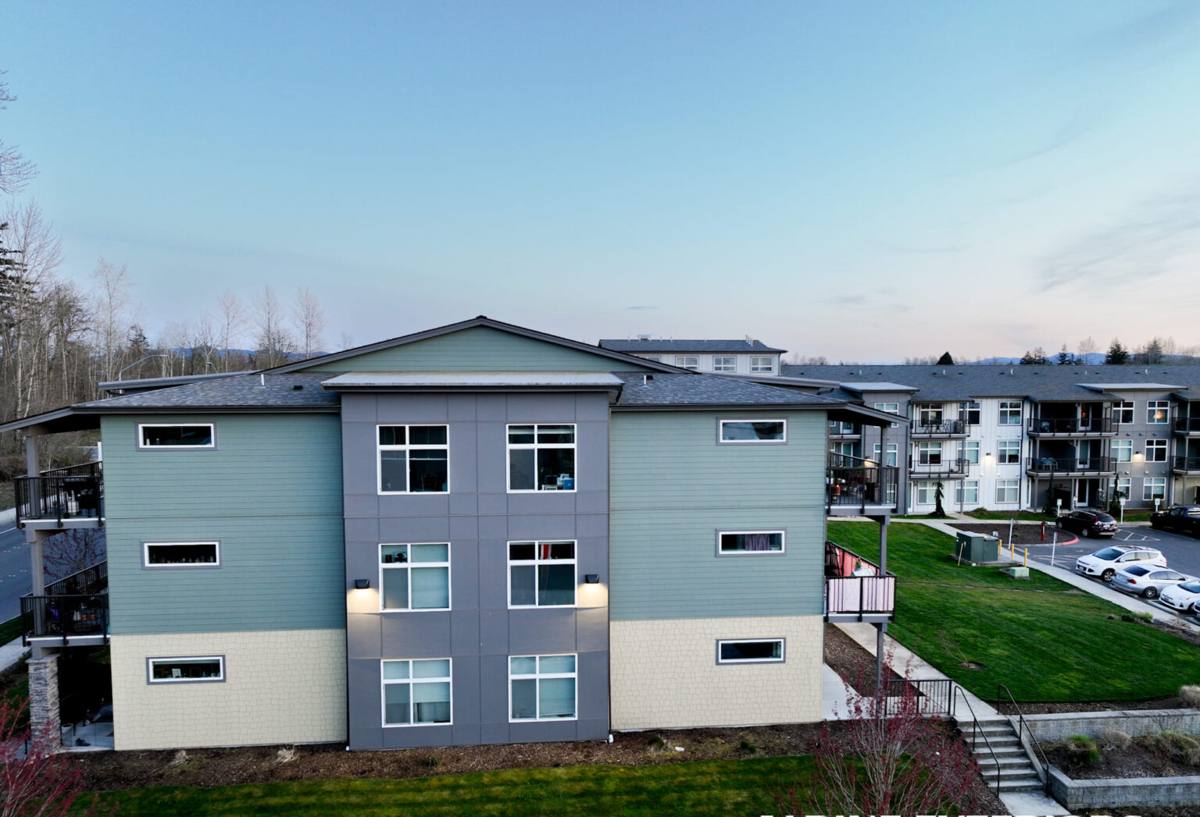
The Whatcom County Climate Problem, Close to Home
Whatcom County as a whole gets a heavy dose of Pacific storm systems, and while Lynden isn't right on the water, the same weather patterns that bring salt-laden air to Blaine and Birch Bay also bring the driving, sideways rain that soaks siding across the whole county. That rain doesn't just fall straight down — wind-driven rain gets pushed up under laps, around trim, and into any gap that a rushed installation leaves open.
What This Means for a Lynden Home
- Extended damp periods keep siding wet longer than a quick rain shower would, giving moss and algae time to establish and spread.
- Wood-based and engineered wood siding products are more vulnerable to swelling, delamination, and rot when moisture sits against them repeatedly over a wet season.
- Poorly flashed windows, doors, and penetrations show problems faster here than in drier parts of the state — water finds the weak point and exploits it every winter.
- Freeze-thaw cycles during cold snaps can widen small cracks or gaps in siding and caulking, turning a minor issue into a bigger repair.
None of this means Lynden is an unusually harsh place to own a home. It means the margin for error in a siding installation is smaller than homeowners often assume, and the product and process matter as much as the crew doing the work.
What a Correct Siding Installation Involves
A siding job that's going to hold up in this climate is built in layers, not just a single visible product. Skipping or rushing any one of these layers is where most premature siding failures start.
Tear-Off and Substrate Inspection
Before any new siding goes up, the old material comes off and the sheathing underneath gets inspected. Soft spots, water staining, or rot in the sheathing need to be addressed before installation continues — covering up a compromised substrate with new siding just hides the problem until it's worse and more expensive.
Weather-Resistive Barrier
A properly installed water-resistive barrier (WRB) goes over the sheathing before siding, and it needs to be lapped correctly — upper courses over lower courses — so water sheds down and out rather than working its way behind the wall assembly. This layer is invisible once the job is done, but it's one of the most important parts of keeping a Lynden home dry through a wet winter.
Flashing and Fastening
Windows, doors, and any wall penetration need flashing that directs water back out and away from the structure. Fastener placement and spacing also matter — fastening siding incorrectly, whether too loose or in the wrong location, is one of the most common causes of warping, buckling, or water intrusion over time, regardless of what siding material is used.
Finish and Sealant Details
Caulking, trim work, and finish coatings need to be applied to manufacturer spec, not just eyeballed. In a climate with this much rain and humidity, a shortcut at the finish stage tends to show up as a callback within a year or two.
Why We Install Only James Hardie Fiber Cement
We standardized on James Hardie fiber cement siding for every installation we do, including here in Lynden, and we don't install vinyl, LP SmartSide, or other engineered wood or fiber cement alternatives. That's a deliberate call based on how these products perform over years of Whatcom County weather, not a sales preference.
James Hardie fiber cement is non-combustible, resists moisture-driven swelling and rot far better than wood-based products, and comes with a factory-applied ColorPlus finish that's baked on and warranted against fading and cracking — which matters in a climate where a wall can stay damp for days at a time. Hardie also builds region-specific HZ product lines engineered for different climate zones, so the siding on a Lynden home is matched to Pacific Northwest moisture and temperature conditions rather than a one-size-fits-all product. The backing warranty is transferable, which adds real value if the home sells down the road.
We go into more detail on the specific trade-offs of other siding materials on our product comparison pages. The short version: we'd rather install one product well and stand behind it than offer several options and hope each one holds up equally well in this climate.
Our Installation Process, Start to Finish
- On-site assessment: We look at the existing siding, sheathing condition, trim, and any problem areas — moss buildup, moisture staining, soft spots — before quoting anything.
- Detailed estimate: You get a clear scope of work, product selection, and cost breakdown, with no pressure to decide on the spot.
- Tear-off and prep: Old siding comes off, sheathing is inspected and repaired as needed, and the wall is prepped for a new weather-resistive barrier.
- WRB and flashing installation: The moisture management layer goes on first, correctly lapped, with flashing detailed at every window, door, and penetration.
- Hardie siding installation: Panels or planks are installed to manufacturer fastening specs, with attention to gaps, joints, and trim details that keep water moving out and away from the wall.
- Final walkthrough: We review the finished job with you before we consider it done, not before.
Cost Factors for a Lynden Siding Project
Every home is different, and we don't quote pricing without seeing the job, but these are the main variables that move a siding installation estimate up or down.
| Factor | Why It Matters |
|---|---|
| Home size and wall complexity | More square footage, more corners, dormers, and trim details mean more labor and material |
| Existing siding removal | Tear-off of old wood, vinyl, or other siding adds labor and disposal cost |
| Sheathing repair | Rot or water damage found underneath the old siding needs to be fixed before new siding goes on |
| Hardie product line and profile | Lap siding, panel siding, and shingle-style profiles carry different material costs |
| ColorPlus vs. field-painted | Factory-finished ColorPlus costs more up front but reduces long-term maintenance and repainting |
| Trim and accessory work | Corner boards, window trim, and fascia detailing add to scope depending on the home's design |
Signs Your Lynden Home May Need New Siding
- Persistent moss or algae growth that comes back quickly after cleaning
- Visible warping, buckling, or gaps between siding boards or panels
- Soft or spongy areas when you press on the siding, especially near the bottom of walls
- Paint that's peeling, bubbling, or failing faster than expected between paint jobs
- Rising energy bills that suggest the wall assembly isn't insulating or sealing the way it should
- Visible rot, staining, or discoloration around windows, doors, or trim joints
Why a Crew That Already Works Lynden Matters
A siding crew that's worked on homes throughout Whatcom County has seen how the region's rain and humidity actually play out on real houses — which elevations take the worst weather, where moss tends to establish first, and which older construction details in this area need extra attention during a tear-off. That's different from general contracting experience somewhere drier. Correct flashing, WRB installation, and fastening aren't optional extras here; they're what separates a siding job that holds up for decades from one that needs attention again in a few years.
We install one product, James Hardie fiber cement, and we install it the same careful way on every job because we're the ones who'll stand behind it if something goes wrong. That consistency is worth more than a broader menu of siding options that we wouldn't feel as confident about after a wet Whatcom County winter.
If you're planning a siding project in Lynden, we're glad to take a look and walk you through what your home needs. Reach out for a free, no-pressure estimate using the form below.