 Whatcom County
 New-Construction Windows Are a Different Job Than Replacements
A lot of homeowners in Sehome assume "new windows" is one job with two names. It isn't. New-construction windows come with a nailing fin and get installed into a framed rough opening before the siding, house wrap, and trim go on. Replacement windows get set into an existing frame after the old sash and hardware are pulled, working around siding that's already in place. The sequencing, the flashing details, and the margin for error are completely different.
If you're building an addition, finishing a new structure, or doing a full re-side down to the studs here in Sehome, you're in new-construction territory. That's actually the easier window to get right on paper — you have full access to the framing and the weather-resistive barrier — but it's also the job where a rushed or careless install creates problems that don't show up for a few winters.
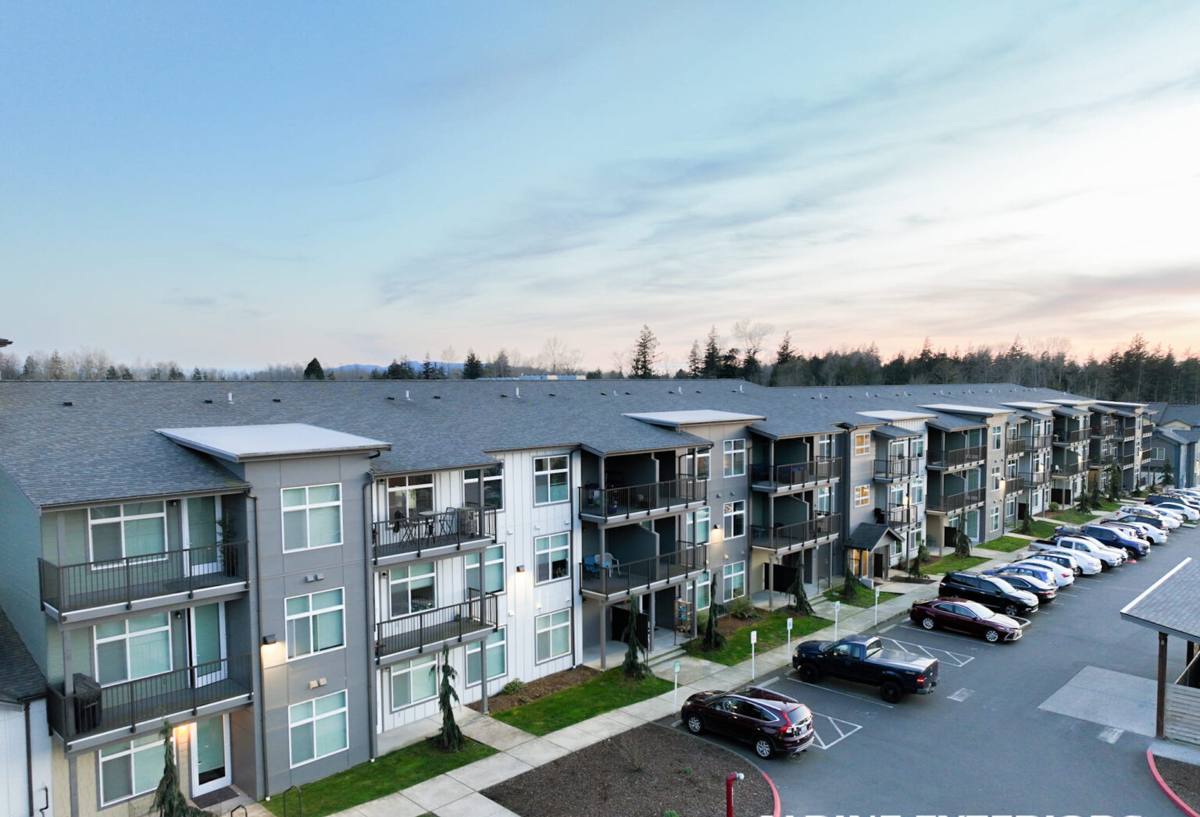
What Sehome's Climate Actually Demands From a Window Install
Whatcom County sits close enough to the water that salt-laden air is a real factor on hardware and finishes, and the region's long stretch of wet months means driving, wind-driven rain isn't a rare event — it's a seasonal pattern. Add in the moss season that runs long here, and you've got three separate stresses acting on the same window opening: corrosion, water intrusion, and sustained moisture sitting against exterior surfaces.
Salt Air and Hardware
Cheap or mismatched fasteners and hinges corrode faster this close to the coast. We spec corrosion-resistant hardware and fasteners for new-construction openings, and we pay attention to how dissimilar metals are paired at the flashing and trim so galvanic corrosion isn't quietly working on the assembly for years.
Driving Rain and Flashing
Wind-driven rain doesn't just fall on a window — it gets pushed sideways and upward under trim and behind house wrap if the flashing sequence is wrong. This is the single biggest factor in whether a new-construction window stays dry for 20 years or starts showing stains around the interior casing in year three.
Moss Season and Prolonged Dampness
A long moss season means more months where exterior surfaces stay damp longer after a rain event. That matters most at the sill and the bottom corners of the opening, where water naturally wants to collect. Detailing that area correctly matters more here than it would in a drier climate.
Getting the Rough Opening and Flashing Right
Most window failures we get called out to inspect in this area aren't the window's fault — they're an installation sequence problem. New construction gives you one real chance to get this right before it's buried behind siding, so we don't treat any step as optional.
- Rough opening is checked for square, level, and correct dimension before the window ever gets set — not adjusted after the fact.
- Sill pan flashing goes in first, sloped to shed water back to the exterior, not just laid flat.
- House wrap is integrated with the flashing in the correct shingle-lap order — head flashing laps over the wrap, side and sill flashing lap under it.
- Window is set plumb, level, and square, then fastened per the manufacturer's schedule — not "close enough" and caulked over.
- Backer rod and quality sealant at the exterior, with a proper air seal at the interior — both matter, and they're not the same job.
- Interior and exterior trim installed so water is directed away from the opening, not channeled toward it.
Skip any one of these and the window itself becomes irrelevant — even a premium unit will eventually leak if the flashing behind it was done wrong.
Window Frame Material: What Holds Up Here
For new construction, you're choosing the frame material at the same time you're choosing the window, and this is where climate exposure should actually drive the decision rather than looks alone.
| Frame Material | Moisture/Salt Air Behavior | Maintenance | Typical Fit for This Area |
|---|---|---|---|
| Vinyl | Won't corrode or rot; performs well in coastal air | Low — occasional cleaning | Strong, cost-effective default for most new-construction openings |
| Fiberglass | Excellent stability, resists warping in temperature/moisture swings | Low | Good upgrade where sizing is larger or exposure is severe |
| Wood-clad | Interior wood needs protection from any moisture that reaches it; cladding protects exterior face | Higher — interior finish upkeep | Chosen for interior appearance, not for lower maintenance |
| Aluminum | Conducts cold and can promote condensation; thermally broken versions perform better | Moderate | Less common for residential new construction in this climate |
We don't push one material on every job. What we won't do is install a frame material into an exposed, wet opening without discussing the maintenance commitment that comes with it — that's a conversation, not a sales pitch.
Our Process for New-Construction Window Installs in Sehome
1. Walk the Openings Before Anything Is Ordered
We check rough opening sizes against actual window specs before ordering, not after delivery. Getting this wrong on a new build costs real time waiting on a reorder.
2. Confirm Flashing and Wrap Sequence With the Builder
On new construction we're often working alongside a general contractor or framing crew. We confirm who's installing the house wrap and in what order, so there's no gap where nobody flashed the opening correctly.
3. Install to Manufacturer Specification
Every window has a written installation instruction from the manufacturer covering fastening pattern, shimming, and flashing integration. Following it isn't a formality — deviating from it is often what voids a warranty later.
4. Seal, Insulate, and Trim
Low-expansion foam or backer rod and sealant at the gap between frame and rough opening, correct interior air sealing, then trim — inside and out — sloped and detailed to shed water rather than trap it.
5. Final Check
Every window gets opened, closed, and locked to confirm smooth operation, and the exterior seal is inspected before we consider the opening finished.
Cost Factors on a New-Construction Window Project
New-construction window costs vary by count, size, glass package, and how much trim carpentry is involved. Broad ranges only — every project should get an actual walkthrough and written estimate.
| Factor | Why It Moves the Price |
|---|---|
| Number and size of openings | More or larger windows means more material and labor hours |
| Frame material | Vinyl is typically the most cost-effective; fiberglass and wood-clad run higher |
| Glass package | Low-E coatings and gas fills add cost but improve comfort and efficiency |
| Site access and staging | New builds with easy access are usually faster than tight in-fill lots |
| Trim and casing work | Custom interior or exterior trim adds finish carpentry time |
| Coordination with other trades | Scheduling around siding, house wrap, and framing crews affects sequencing |
Why a Crew That Already Works in Sehome Matters
New-construction window work isn't a solo trade — it happens in sequence with framers, house wrap installers, and siding crews. A crew that's already worked jobs in Sehome and around Whatcom County knows how local builders typically sequence that work, which cuts down on the back-and-forth that causes scheduling gaps or missed flashing steps.
There's also a practical local knowledge factor: crews familiar with this specific stretch of coastline and its rain and salt exposure make different material and detailing calls than a crew used to a drier or more inland climate. That's not a marketing point — it shows up in which fasteners get specified and how much attention the sill detail gets.
Mistakes We See on New-Construction Window Openings
- Flashing installed out of shingle-lap order, so water runs behind the wrap instead of over it
- Sill pan skipped or installed flat instead of sloped to drain
- Fasteners that don't match the manufacturer's corrosion-resistance spec for coastal exposure
- Windows set out of square and shimmed to "look" straight instead of corrected properly
- Exterior caulk used as the primary water barrier instead of proper flashing
- Trim installed without a drip edge, so water is directed straight down the wall face
Any one of these can pass a casual glance and still fail in three to five years, right around when it's hardest to trace the cause without opening up the wall.
Living With New-Construction Windows in This Climate
Once the windows are in, upkeep in Sehome mostly comes down to keeping weep holes and drainage tracks clear of debris and moss buildup, checking exterior sealant for cracking every year or two, and keeping an eye on hardware for early corrosion so it can be addressed before it affects operation. None of this is heavy maintenance — it's the kind of five-minute check that's easy to build into a seasonal routine.
If you're planning a new build or a full re-side in Sehome and want the window openings done right the first time, we're glad to walk the site and give you a straightforward, no-pressure estimate — just fill out the form below.