 Whatcom County
 Building Decks That Hold Up in Sehome's Marine Climate
Sehome sits close enough to Bellingham Bay that homes here deal with a version of Whatcom County weather that's a little rougher on outdoor structures than what you'd find further inland. Salt-tinged air, long stretches of driving rain, and a moss season that can run from fall through spring all work against a deck that wasn't built with this climate in mind. We've built and repaired decks throughout the area long enough to know which shortcuts show up as callbacks two or three winters later, and which details actually matter here.
A deck built for Sehome isn't fundamentally different in concept from a deck anywhere else, but the execution has to account for near-constant moisture exposure, limited drying windows between storms, and in many yards, mature tree cover that keeps sections of the structure shaded and damp most of the year. This page covers what that means in practice, from material selection to the framing details that decide whether your deck is still solid in fifteen years or soft and spongy in five.
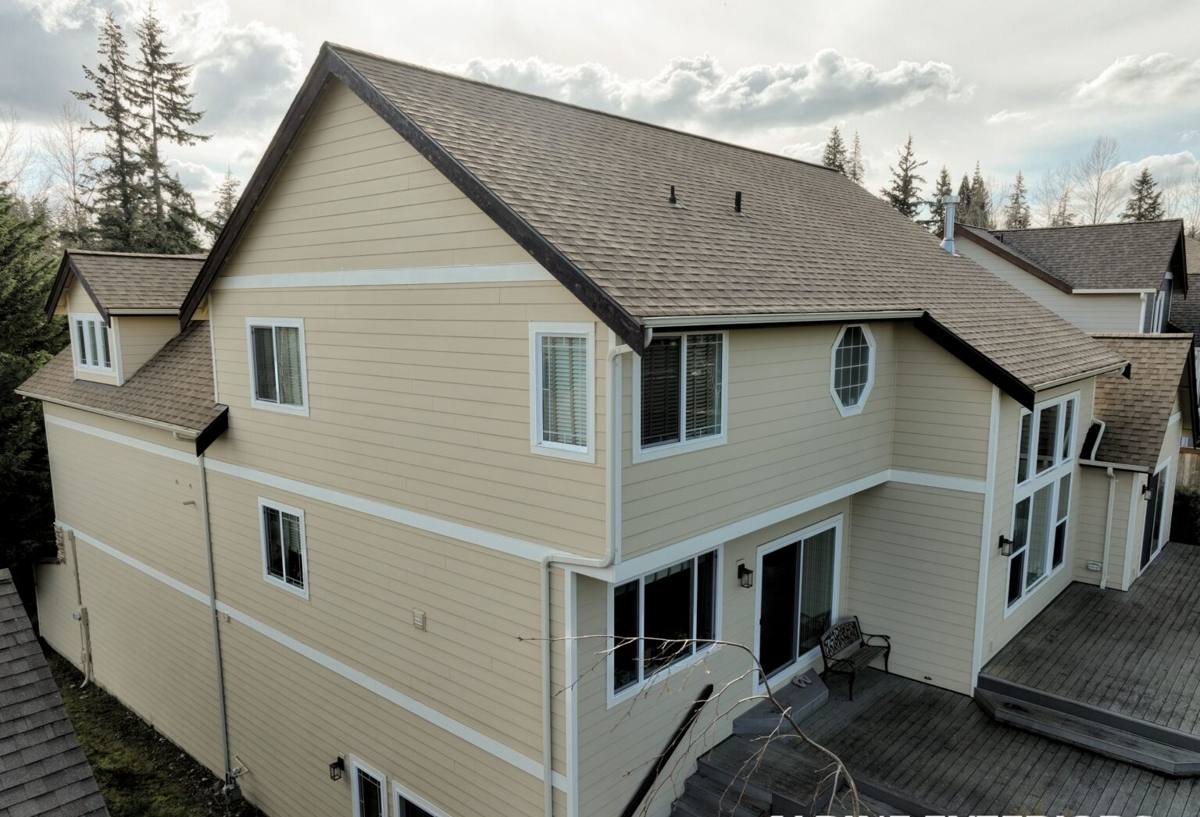
What Whatcom County's Climate Does to an Outdoor Deck
Moisture That Never Fully Dries
The Pacific Northwest's marine climate means long stretches where humidity stays high even between rain events. Decking surfaces, ledger boards, and joists that don't get a real chance to dry out are the ones that rot from the inside before the surface ever looks bad. This is less about how much rain falls in a single storm and more about how many days in a row a deck stays damp.
Moss and Algae Buildup
Shaded, north-facing, or tree-covered decks in this area grow moss and algae faster than most homeowners expect, especially on horizontal surfaces with limited airflow. Beyond being a slip hazard, moss holds moisture directly against the decking material, which accelerates wood rot and can stain or degrade composite surfaces over time if it's left to build up season after season.
Salt Air and Metal Fasteners
Homes closer to the water deal with airborne salt that speeds up corrosion on fasteners, brackets, and hardware not rated for coastal exposure. A screw or joist hanger that would last decades in a dry inland climate can start rusting and staining the decking around it within a few years if the wrong grade of hardware was used to save money on the build.
Choosing the Right Decking Material for a Sehome Home
There's no single "best" decking material for every house — the right choice depends on your budget, how much upkeep you're willing to do, and how exposed the deck is to shade, rain, and salt air. Here's how the common options actually perform in this climate.
| Material | Upfront Cost | Maintenance | Moisture & Moss Resistance | Realistic Lifespan Here |
|---|---|---|---|---|
| Pressure-treated wood | Lowest | Annual cleaning, periodic sealing | Fair — needs upkeep to resist rot and moss staining | 10-15 years with maintenance |
| Cedar | Moderate | Regular sealing to hold color and resist moisture | Good natural resistance, but still needs care | 15-20 years with maintenance |
| Composite decking | Higher | Occasional washing, no sealing or staining | Very good — resists rot, less prone to deep moss staining | 20-25+ years |
| Capped composite / PVC | Highest | Low — mostly rinsing off debris and pollen | Excellent — fully sealed surface resists moisture intrusion | 25-30+ years |
Wood is still a reasonable choice for homeowners who like the natural look and are willing to stay on top of cleaning and sealing. For decks in heavy shade, near the water, or where you want to minimize maintenance, composite and capped composite boards generally earn back their higher upfront cost in fewer callbacks for us and less work for you.
What a Correctly Built Deck Involves
Framing and Ledger Board Flashing
The ledger board — where the deck attaches to the house — is the single most common failure point we see on older decks in this area. If it isn't properly flashed to shed water away from the house's siding and framing, water gets trapped behind it and rots both the ledger and the wall structure it's attached to. This is a hidden problem until it isn't, and by the time it's visible, the repair is far more involved than it would have been to flash it correctly the first time.
Fasteners and Hardware
Given the salt air and near-constant moisture, we use fasteners and structural hardware rated for exterior and coastal exposure rather than standard-grade hardware. It costs a bit more up front, but mismatched or under-rated hardware is one of the fastest ways to get rust streaking on decking and premature hardware failure in this climate.
Drainage and Airflow Underneath
A deck built tight to the ground or without attention to slope and drainage traps moisture underneath, which speeds up rot in the joists and posts even if the surface boards look fine. Proper spacing, grading beneath the deck, and board gaps sized for airflow all matter more here than they would in a drier climate.
Design Choices That Matter on Sehome Lots
Many yards in this area have mature trees that provide welcome shade in summer but also keep sections of a deck damp and moss-prone for much of the year. A few design decisions make a real difference over the life of the deck:
- Orienting the deck and trimming overhead cover where possible to reduce constant shade on the decking surface
- Sizing board gaps for proper drainage and airflow rather than the tightest possible fit for looks
- Grading the ground underneath to direct water away instead of letting it pool under the structure
- Choosing railing materials and hardware that match the decking's resistance to moisture and salt exposure
- Planning for a slightly steeper deck pitch than the minimum, so water sheds instead of sitting
None of these add significant cost to a project when they're planned from the start. They become expensive corrections when a deck was built without them and starts showing problems a few years in.
Our Deck-Building Process
- On-site consultation: We walk the property, look at sun and shade exposure, drainage, and how the deck will connect to the house.
- Design and material selection: We talk through wood, composite, and capped composite options honestly, including trade-offs in cost and upkeep for your specific site conditions.
- Permitting: Deck projects in Whatcom County and the City of Bellingham typically require a building permit, and elevated or larger decks may need engineered plans. We handle this as part of the project rather than leaving it to the homeowner.
- Construction: Framing, ledger flashing, structural fasteners, decking, and railing are installed to hold up under sustained moisture exposure, not just to pass a quick visual inspection.
- Final walkthrough: We go over the finished deck with you, including what maintenance it does and doesn't need going forward.
Cost Factors for a Sehome Deck Project
Every deck is priced around its own footprint and site conditions, but a few factors move the cost more than homeowners often expect:
| Factor | Why It Affects Cost |
|---|---|
| Decking material | Pressure-treated wood costs the least upfront; capped composite costs the most but needs the least upkeep |
| Height and multi-level design | Elevated or multi-tier decks need more substantial framing, footings, and often railings, engineered plans |
| Site access and slope | Steep or hard-to-reach lots take more labor to grade, frame, and haul materials to |
| Railing style and material | Cable, glass, and composite railings cost more than standard wood or metal balusters |
| Permit and engineering requirements | Taller or larger structures may need engineered stamped plans, which adds to project cost and timeline |
As a general guide, many custom deck projects in this size range fall somewhere between the low five figures and the low-to-mid forty-thousand-dollar range installed, depending on materials and complexity. We'll give you a real number for your project rather than a rough estimate pulled from a national average.
Keeping Your New Deck Looking Good Year-Round
A well-built deck in this climate still needs some seasonal attention. A little consistency goes a long way toward avoiding bigger repairs down the road:
- Sweep debris and standing leaves off the surface regularly, especially in fall when they trap moisture against the boards
- Wash off moss and algae buildup at least once a year, more often on shaded sections
- Check railing and stair hardware annually for early signs of rust or loosening
- Reseal or restain wood decking on the schedule recommended for the specific product used
- Keep gutters and downspouts near the deck clear so runoff isn't draining directly onto or under it
- Trim back overhanging branches that keep sections of the deck shaded and slow to dry
Why Hire a Crew That Already Works in Sehome and Whatcom County
A deck built by someone unfamiliar with this climate can look fine on the day it's finished and still fail early because of details that only show up after a few wet seasons — under-flashed ledger boards, the wrong hardware grade, or drainage that wasn't planned for local rainfall patterns. We build decks throughout Whatcom County, including here in Sehome, and we make our material and construction decisions based on what actually holds up in this specific climate, not a generic national spec sheet. That includes being upfront with you about trade-offs between cost, maintenance, and longevity so you can choose what fits your budget and how much upkeep you actually want to do.
If you're planning a new deck or replacing one that's showing its age, we're happy to take a look and talk through honest options for your property. Use the form below to request a free, no-pressure estimate.