 Whatcom County
 Windows in Samish Face a Tougher Job Than Most
Samish sits in a stretch of Whatcom County where the weather doesn't take a season off. Homes here deal with salt-laden air moving in off the water, driving rain that hits siding and window walls sideways instead of straight down, and a long, damp moss season that keeps everything shaded and wet for months at a time. A window that's a fine fit in a drier inland climate can fail early here if it wasn't installed with this specific combination of conditions in mind.
Window installation isn't just "measure, cut a hole, drop in a unit." In this part of Whatcom County, it's a moisture-management job first and a carpentry job second. Get the water management wrong and you won't see the problem for a year or two — by then it's hidden rot in the framing, not just a drafty window.
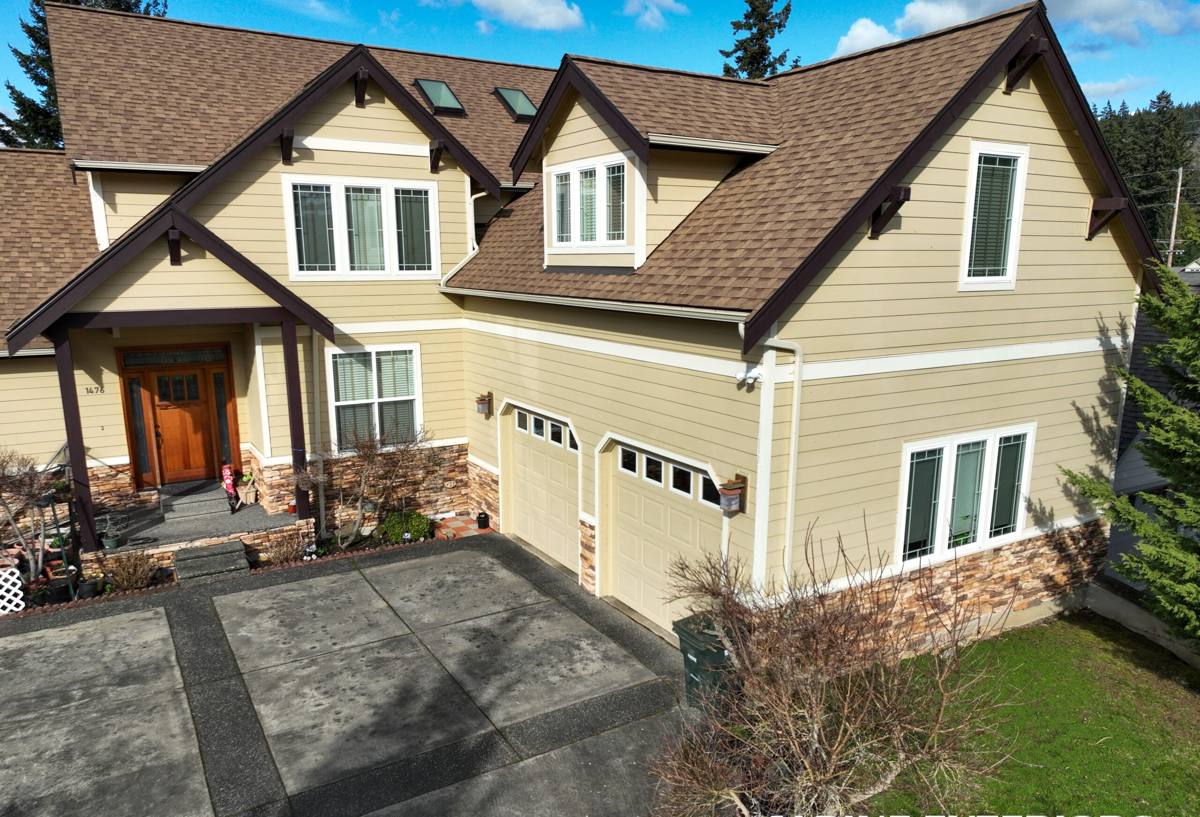
What Salt Air, Rain, and Moss Actually Do to a Window Opening
Salt Air
Airborne salt accelerates corrosion on fasteners, hinges, and any exposed metal hardware. It also breaks down cheaper sealants and finishes faster than a typical inland install would suggest. Materials and hardware need to be chosen with that in mind, not just picked for price.
Driving Rain
Wind-driven rain doesn't just land on a window — it gets pushed sideways and upward into gaps that a gentler rain would never reach. That means flashing details, sill pans, and sealant joints have to work in every direction, not just shed water downward.
Moss Season
Shade, moisture, and mild temperatures for much of the year mean moss and mildew take hold anywhere water sits or airflow is blocked. Around windows, that shows up as dark staining on trim, spongy caulk lines, and eventually soft wood under the sill if it's gone unaddressed.
Signs a Samish Home Needs Window Attention
- Fogging or moisture trapped between glass panes (a failed seal, not a cleaning issue)
- Soft or discolored trim and sills, especially on the sides that catch the weather
- Drafts you can feel near the frame even when the window is latched shut
- Moss, black staining, or persistent green growth on sills and lower trim
- Windows that are difficult to open, close, or lock — frames have shifted or swollen
- Rising energy bills with no other obvious cause
Any one of these on its own isn't necessarily an emergency. Several together, especially on the weather-facing side of a house, usually mean it's time to have someone look closer before it becomes a framing repair instead of a window job.
What a Correct Installation Actually Involves
Flashing and Water Management
The single biggest factor in whether a window lasts is what happens behind the trim, not what you see from the street. That means a properly lapped sill pan or flashing membrane, house wrap integrated correctly with the window flange, and sealant used to manage water — not to substitute for it. In a driving-rain climate, shortcuts here are the difference between a window that lasts decades and one that causes hidden damage in a few years.
Air Sealing and Insulation
Around the frame, the gap between the window unit and the rough opening needs to be insulated and air-sealed without trapping moisture. Overpacking with the wrong material, or skipping backer rod and proper sealant joints, causes as many problems as leaving gaps.
Frame and Hardware Choice
In salt air, hardware quality matters more than it does further inland. Stainless or corrosion-resistant fasteners and hinges cost a little more up front and save a callback later.
Choosing Window Materials for This Climate
There's no single "best" window material — there's a best fit for how exposed the house is and what the owner wants to maintain. Here's how the common options generally hold up under Whatcom County's coastal-influenced conditions:
| Material | Moisture & Salt Behavior | Maintenance | Typical Trade-Off |
|---|---|---|---|
| Vinyl | Good — won't rot or corrode, handles damp climates well | Low | Fewer color/finish options, frame flexes more in large sizes |
| Fiberglass | Very good — stable in wet and dry cycles, resists warping | Low | Higher upfront cost than vinyl |
| Aluminum-clad wood | Good exterior protection if detailing is done right | Moderate | Interior wood still needs care; installation sensitivity is higher |
| Bare wood | Weakest in constant damp/moss exposure without diligent upkeep | High | Best classic look, but highest maintenance burden here |
We're upfront with homeowners about this table rather than pushing one product line. A bare wood window can be the right call on a sheltered, well-maintained home — it's usually the wrong call on a wall that takes the brunt of the weather.
Our Installation Process
- On-site assessment — we look at exposure, existing framing condition, and how water has (or hasn't) been managed historically on that wall.
- Honest scoping — if we find soft framing or prior water damage during the walkthrough, we tell you before work starts, not after demo.
- Removal — old units come out carefully so we can inspect the opening, not just swap boxes.
- Sill pan and flashing — installed to shed water in every direction driving rain can push it.
- Window set and shim — leveled, squared, and fastened per manufacturer spec, not "close enough."
- Insulation and sealant — air-sealed without trapping moisture behind the trim.
- Exterior trim and finish — detailed so water sheds away from joints instead of pooling.
- Final check — operation, locks, and seals confirmed before we call it done.
Common Problems We Find From Past Installations
A lot of the repair work we get called for isn't a bad window — it's a window that was installed without accounting for this climate. The most common issues we see:
- Caulk used as the only water barrier, with no flashing or sill pan underneath
- House wrap taped over the window flange instead of properly lapped, letting water track behind it
- Standard fasteners that have corroded in salt-exposed locations
- Gaps overpacked with the wrong insulation, holding moisture against the frame
None of these are visible from the curb. They show up later as soft trim, interior staining, or a window that suddenly won't seal — which is why the install details matter more than the finished look.
What Affects the Cost of a Window Job Here
| Factor | Why It Matters Locally |
|---|---|
| Exposure of the wall | Weather-facing walls need more robust flashing and hardware, which adds labor and material cost |
| Condition of the existing opening | Hidden rot from past water intrusion means added framing repair before the new window can go in |
| Frame material chosen | Vinyl and fiberglass generally cost less upfront and less to maintain than wood-based options |
| Number of openings and access | Second-story or hard-to-access windows take more time to stage and install safely |
| Glass package | Higher-performance glass (better U-factor, low-E coatings) costs more but pays back in comfort and energy use |
We give a written estimate that breaks these factors down rather than a single lump number, so you know what you're actually paying for.
Why a Crew That Already Works Samish Matters
A contractor who works around Whatcom County regularly has already seen how a given wall orientation, tree cover, or proximity to water changes what a window installation needs. That's not a marketing point — it's the difference between a crew that defaults to a generic install and one that automatically flashes for driving rain and specs corrosion-resistant hardware because that's just what the area requires. It also means we're not guessing at what "normal" wear looks like on a home here versus a home somewhere drier and more sheltered.
Keeping New Windows Performing Through Moss Season
- Rinse sills and lower trim periodically to keep moss and organic buildup from taking hold
- Keep nearby trees and shrubs trimmed back so airflow can reach the window and trim can dry out
- Check exterior caulk lines once a year for cracking or separation, especially after a hard winter
- Clear debris from any weep holes at the base of the frame so water can drain instead of pooling
- Address small drafts or sticking sashes early — they're cheaper to fix than what they turn into
If you're weighing whether it's time to replace windows on a Samish home, or you just want a second opinion on an install someone else quoted, we're happy to take a look. The estimate is free, there's no pressure, and you'll get a straight answer about what your home actually needs — use the form below to get started.