 Whatcom County
 Nooksack Homes Take a Different Kind of Weather Beating
Nooksack sits in the low farmland of the Nooksack River valley, and that location means houses here deal with a specific mix of weather stress: long stretches of driving rain off the Salish Sea, salt-tinged marine air that moves inland on the wind, and a moss season that can run most of the year in shaded, north-facing spots. None of that is dramatic on any single day, but it's relentless over years, and windows are one of the first places it shows up — swollen sashes, foggy double-pane glass, soft trim, and frames that won't seal the way they did when the house was built.
Whatcom County's older farmhouses and post-war ranch homes were mostly built with wood-frame single or early double-pane windows, and later remodels often added builder-grade vinyl replacements that were never really matched to the openings. Custom window work in a place like Nooksack is less about "picking a style" and more about correcting decades of mismatched fixes and making sure the window and the wall around it are working together, not against each other.
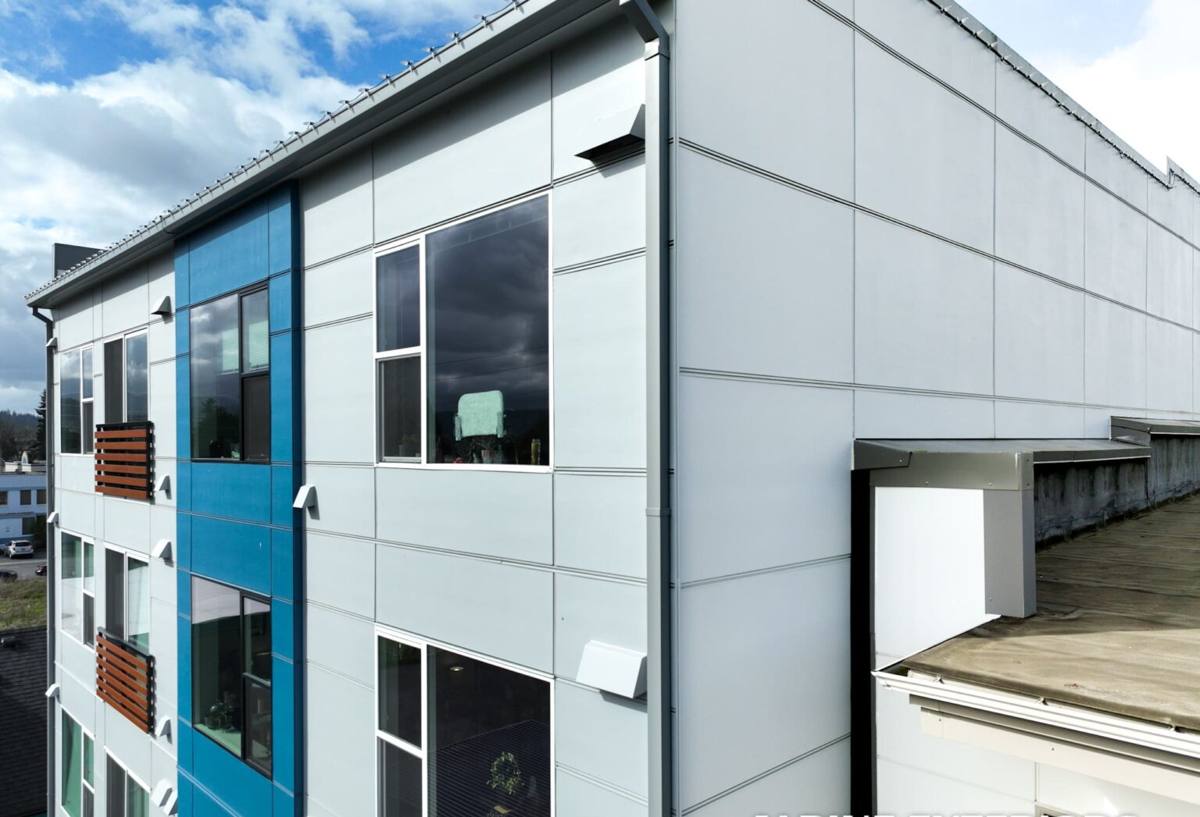
What "Custom" Actually Means Here
We use the word custom for a reason — it's not a marketing term. Most of the replacement and new-window work we do in this area falls into one of these categories:
- Non-standard openings in older farmhouses, additions, or hand-built outbuildings where nothing is a stock size
- Replacing a window that was previously installed poorly, where the rough opening needs correction before a new unit will seal properly
- Matching sightlines and trim profiles across a home where windows were replaced piecemeal over the years
- Larger openings — picture windows, bay configurations, or multi-unit combinations — that need structural and flashing details a stock install doesn't cover
In every one of these situations, the window itself is only part of the job. The bigger factor is how the opening is prepared, flashed, and tied into the wall assembly — that's what actually determines whether the window performs in this climate for the next 15-20 years or starts failing in five.
Why This Matters More on Older Nooksack Properties
A lot of homes in this part of Whatcom County were built or added onto before modern water management details (like sloped sills, proper head flashing, and consistent building wrap integration) were standard practice. When we replace a window on one of these homes, we're not just swapping glass — we're often correcting the water path around the opening for the first time since the house was built.
What Driving Rain and Moss Season Do to a Window Over Time
It's worth being specific about the failure modes we actually see out here, because it changes what "correct installation" means:
- Sill and jamb rot from years of wind-driven rain finding a path behind poorly sealed trim
- Fogged or failed insulated glass units once the seal breaks down from constant moisture cycling
- Moss and algae staining on frames and sills in shaded, damp-prone locations, which holds moisture against the material longer than open, sunny walls
- Swollen or sticking sashes on older wood windows that have absorbed moisture over multiple wet seasons
- Corroded hardware on lower-quality aluminum or poorly finished metal components exposed to salt-bearing air
None of these are reasons to avoid windows altogether — they're reasons to be deliberate about material choice, flashing detail, and drainage at the sill. A correctly installed window in this climate should shed water away from the wall, not let it collect at the bottom corners where most rot actually starts.
Frame Material: What Actually Holds Up Out Here
We get asked about vinyl vs. fiberglass vs. wood-clad more than almost anything else. There's no universally "best" answer — it depends on the home, the budget, and how exposed the opening is. Here's how we walk homeowners through it honestly:
| Material | Moisture Behavior | Maintenance | Typical Fit |
|---|---|---|---|
| Vinyl | Won't rot or absorb water; seams and welds matter more than the material itself | Low — occasional cleaning | Budget-conscious replacements, rental or resale properties |
| Fiberglass | Very stable in wet/dry cycling, resists warping better than vinyl in large sizes | Low | Larger openings, homes staying long-term |
| Wood-clad | Good performance if the exterior cladding is fully intact; failure point is usually a compromised seal letting water reach the wood core | Higher — requires attention to caulking and finish over time | Character homes, historic-style trim matching |
| Aluminum | Conducts cold and can condense/corrode faster in salt-influenced air unless well-finished | Moderate | Limited use — mostly commercial or specific architectural needs |
Our default recommendation for most Nooksack homes is vinyl or fiberglass for straightforward replacements, and wood-clad where a homeowner wants to preserve a specific trim look on an older or architecturally distinct house. We don't push a single brand — we size the material choice to the exposure of that specific wall and the homeowner's maintenance appetite, not the other way around.
Cost Factors Worth Understanding Before You Get a Number
Every custom window quote is different because the variables genuinely change the scope. The broad drivers are:
| Factor | Why It Moves the Price |
|---|---|
| Opening condition | Rot or out-of-square framing requires carpentry repair before the window goes in |
| Size and configuration | Standard sizes cost less than custom-built or multi-unit combinations |
| Access and height | Second-story or hard-to-reach openings add labor and equipment time |
| Siding tie-in | Coordinating flashing and trim with existing or new siding adds detail work but prevents future leaks |
| Material grade | Vinyl, fiberglass, and wood-clad sit at different price points before labor |
We'd rather walk a property and give an honest number than quote a range that doesn't hold up once we see the actual opening. Hidden rot behind old trim is common enough on older Whatcom County homes that we always build in an allowance for what we might find once trim comes off.
Our Process, Start to Finish
- On-site assessment — we look at the existing window, the wall assembly behind it, and any visible water staining, soft trim, or moss buildup before quoting anything
- Measuring and material selection — exact opening dimensions, plus a conversation about frame material and trade-offs based on that wall's exposure
- Removal and opening prep — any rot, out-of-square framing, or damaged sheathing gets corrected before the new unit goes in, not covered over
- Flashing and installation — proper sill pan, head flashing, and integration with the house wrap or siding so water is directed out, not trapped
- Interior and exterior finish — trim, caulking, and sealing matched to the home's existing look where that matters to the homeowner
- Final walkthrough — we check operation, seal, and appearance with the homeowner before calling the job done
When a window job overlaps with siding work — which it often does on older homes — we handle both together so the flashing details actually match up. A window installed correctly but tied into siding installed separately, by two different crews on two different schedules, is one of the more common ways water problems get built into a house.
Signs It's Time to Get Windows Looked At
- Visible gaps, drafts, or daylight around the frame
- Fogging or moisture between panes of double-pane glass
- Soft, spongy, or discolored wood at the sill or jambs
- Moss or dark staining building up on frames or trim year over year
- Windows that are hard to open, close, or lock
- Noticeably colder rooms near certain windows in winter
- Peeling paint or bubbling trim near the window opening
Any one of these on its own isn't an emergency, but a few together usually mean the window and its flashing are no longer doing their job, and moisture is finding a way in somewhere.
Maintenance Between Services
Even a correctly installed custom window benefits from basic upkeep in this climate. Clear moss and debris off sills and tracks a couple times a year, especially on shaded or north-facing walls where growth is heaviest. Check caulking at the trim joints annually — small gaps here are cheap to reseal and expensive to ignore. And keep an eye on drainage weep holes on vinyl and fiberglass units; if they're clogged with debris or paint, water can back up inside the frame instead of draining out.
Why a Local Crew Matters for This Kind of Work
Custom window work isn't just a product installation — it's a judgment call about how a specific wall, in a specific location, handles water over time. A crew that already works in Whatcom County has seen how driving rain behaves against these homes, knows which orientations collect moss fastest, and understands why an opening that looks fine from the street might have a compromised sill behind the trim. That local pattern recognition is what keeps a "custom" window job from becoming a callback six months later.
If you're dealing with drafty, foggy, or aging windows on a Nooksack property, we're happy to take a look and give you a straightforward assessment — no pressure, no upsell script. Use the form below to request a free estimate and we'll go from there.