 Whatcom County
 Board & Batten in a Whatcom County Marine Climate
Board and batten has become one of the most requested looks in Ferndale — the bold vertical lines read as clean and modern on new construction, and they pair well with the farmhouse and craftsman styles common throughout Whatcom County. But the look is only half the job. Ferndale sits close enough to Bellingham Bay and the Strait of Georgia that homes here deal with salt-laden air on top of the standard Pacific Northwest rain load. That combination is harder on exterior materials than most homeowners expect, and it's exactly the kind of environment where a siding profile with a lot of seams and joints — which is what board and batten is, by design — either holds up for decades or starts failing in a handful of years, depending entirely on the material and the installation.
We install board and batten on Ferndale homes regularly, and we do it with one material: James Hardie fiber cement. This page walks through why that matters here specifically, what correct installation looks like, and how our process works from first estimate to finished wall.
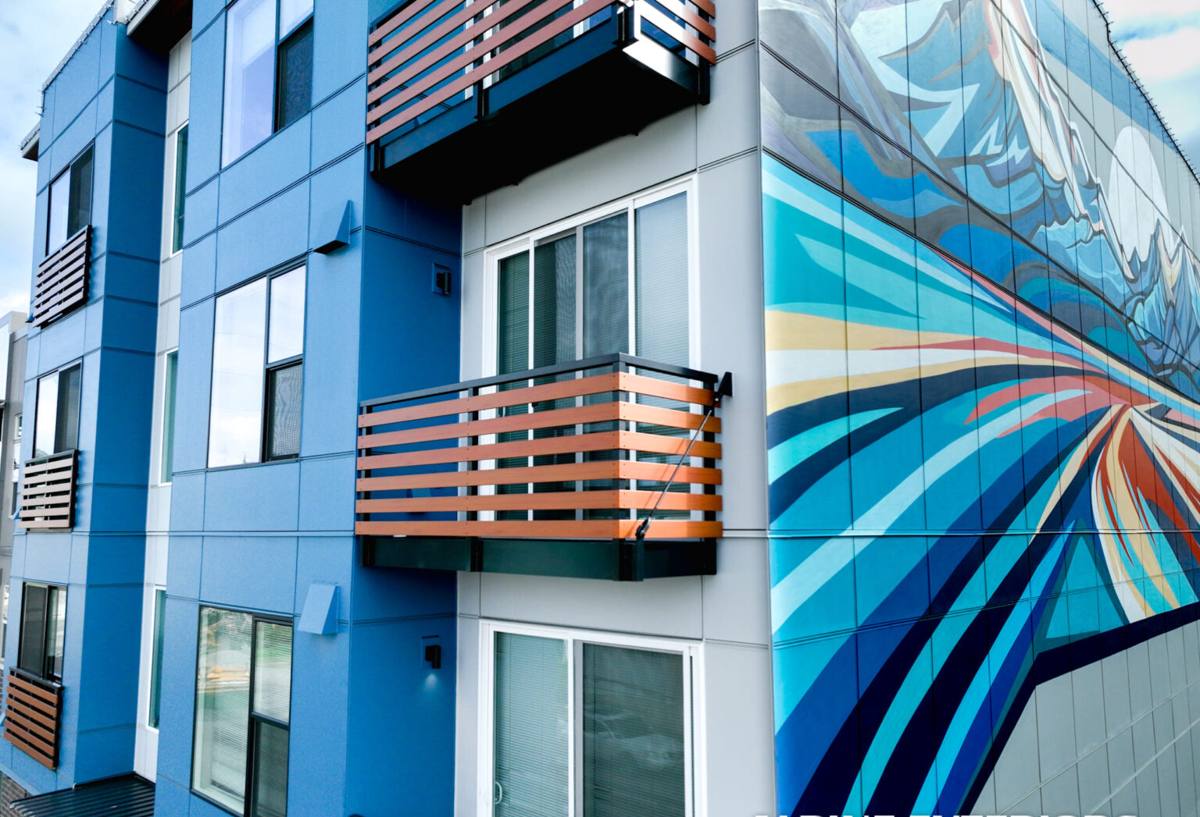
What Ferndale's Climate Actually Does to a Board & Batten Wall
Salt Air
Airborne salt from the bay doesn't just affect metal fasteners and flashing near the water — it settles on siding surfaces across Ferndale and speeds up the breakdown of paint films, caulking, and any wood-based product that isn't fully sealed on every cut edge. Board and batten has more vertical seams per square foot than lap siding, which means more edges exposed to that salt-laden moisture cycle.
Driving Rain
Whatcom County gets a real wet season, and a lot of that rain doesn't fall straight down — it comes in sideways off Pacific storm systems. Wind-driven rain finds the weak points in any siding system: unflashed butt joints, gaps behind battens, and fastener penetrations that weren't sealed correctly. On a board and batten wall, the battens themselves create a shadow line that can trap and hold moisture against the wall if the installation doesn't account for drainage.
Long Moss Season
Shaded, north-facing, and tree-lined walls around Ferndale stay damp for months at a stretch, which is exactly what moss and mildew need to take hold. Moss on siding isn't just cosmetic — the roots and moisture it holds against the surface accelerate rot in wood-based products and can stain and degrade lesser paint finishes over time.
The James Hardie Board & Batten System We Install
We use James Hardie's engineered fiber cement system for board and batten work — either HardiePanel vertical siding paired with HardieTrim battens, or Hardie's Artisan-line board and batten profile where a homeowner wants a more refined, deeper-shadow look. Both are non-combustible, engineered specifically for Pacific Northwest moisture exposure, and finished with Hardie's factory-applied ColorPlus coating rather than a job-site paint job.
Why That Combination Matters Here
- Fiber cement doesn't absorb and swell with moisture the way wood-based or wood-composite board and batten products can, which matters given Whatcom County's rain totals.
- ColorPlus finish is baked on in a controlled factory environment and backed by its own finish warranty — it holds color and resists the fading and chalking that salt air and UV exposure cause faster here than in drier climates.
- HZ5 climate-engineered Hardie product is built for the wet, high-moisture zones the Pacific Northwest falls into, as opposed to a generic all-climate formulation.
- Hardie backs the product with a transferable limited warranty, which matters if you ever sell the home — it's a selling point buyers in this market recognize.
We don't install vinyl board and batten, LP SmartSide, Cemplank, Allura, or primed spruce or cedar board and batten. Each of those has legitimate strengths, but the trade-offs — moisture sensitivity in wood-based products, seam and expansion behavior in vinyl, or warranty and finish differences in the other fiber cement brands — are trade-offs we're not willing to put on a Ferndale home given what the local climate demands. Standardizing on one product line also means our crews install it the same correct way every time, instead of relearning a different manufacturer's spec sheet on every job.
What a Correct Board & Batten Installation Actually Involves
Board and batten looks simple from the street — vertical panels, battens over the seams — but it's one of the less forgiving siding profiles to get right. Most of the failures we get called out to inspect on other contractors' work trace back to a handful of installation shortcuts, not the material itself.
Drainage Behind the Wall
A correct installation includes a drainage plane or rainscreen gap behind the siding, not just a layer of house wrap. That gap lets any moisture that does get behind the panels drain and dry instead of sitting against the wall sheathing — which is the single biggest factor in how long a board and batten wall lasts in a wet climate like this one.
Flashing Every Horizontal Joint
Any place a panel butts against another panel, a window, a door, or trim needs proper flashing and correct water-shedding overlap — caulk alone is not a substitute for flashing, and caulk-only seams are one of the first things to fail under sustained wind-driven rain.
Fastener Placement and Sealing
Hardie specifies exact fastener spacing, edge distances, and penetration depth for board and batten assemblies. Fasteners placed wrong can crack panels, split battens, or create points where water tracks in behind the siding.
Batten Reveal and Gapping
Battens need consistent, specified gapping over the panel joints to accommodate the material's normal expansion and contraction without binding, cracking, or pulling fasteners loose over time.
Our Process, Start to Finish
- Walk and assessment — we look at your current siding or sheathing, note problem areas (rot, moisture staining, moss buildup), and check the specific exposures your walls face — sun, prevailing wind, shade.
- Design and estimate — we talk through panel width, batten spacing, reveal, and ColorPlus color options, and put together a clear, itemized estimate.
- Prep and drainage plane — removal of old siding where needed, sheathing repair if we find damage, and installation of the water-resistive barrier and rainscreen gap.
- Panel and batten installation — installed to Hardie's fastening and flashing spec, not a generalized "good enough" standard.
- Trim, caulking, and final inspection — every seam, corner, and penetration checked before we call the job done.
Board & Batten vs. Other Siding Approaches for a Ferndale Home
| Factor | James Hardie Board & Batten | Vinyl Board & Batten | Wood or Engineered Wood Board & Batten |
|---|---|---|---|
| Moisture behavior in wet climate | Doesn't swell, warp, or rot; engineered for wet zones | Won't rot but can warp and gap with temperature swings | Absorbs moisture at seams and cut edges without diligent sealing |
| Salt air resistance | Factory ColorPlus finish holds up well over time | Can chalk and fade faster under UV and salt exposure | Paint film breaks down faster, especially at end grain |
| Fire resistance | Non-combustible | Combustible | Combustible |
| Typical repaint interval | Long — factory finish, not field-painted | Doesn't repaint (color is through the material) | Every 5–8 years depending on exposure |
| Warranty | Strong transferable limited warranty | Varies by manufacturer | Typically limited to material only, not finish |
Keeping Board & Batten Looking Right in This Climate
Even the right material needs basic upkeep. A little attention goes a long way toward getting the full lifespan out of a board and batten installation in Whatcom County conditions.
- Rinse siding down once or twice a year, especially shaded and north-facing walls where moss and mildew take hold first.
- Trim back vegetation and tree limbs that keep walls shaded and damp longer than they need to be.
- Check caulking at trim, window, and door transitions annually — caulk is a maintenance item even on a low-maintenance siding system.
- Have gutters and downspouts checked so runoff isn't sheeting down the siding face during heavy rain events.
- Walk the exterior after major windstorms and check for any loose battens, trim, or fasteners.
Why Hiring a Crew That Already Works in Ferndale Matters
Board and batten installation isn't uniform across the country — the right approach in a dry climate is not the right approach in a marine climate with heavy wind-driven rain and salt air. A crew that regularly works Ferndale and the surrounding Whatcom County area already knows which wall orientations take the worst weather, how much drainage capacity to build in, and where past installations in this area have failed. That local pattern recognition is difficult to replace with a generic install crew working from a national spec sheet alone. It's also worth asking any contractor bidding board and batten work in this area how they handle drainage planes and flashing detail specifically — the answer tells you a lot about whether the job will hold up through a full Whatcom County winter.
Get a Straightforward Estimate
If you're considering board and batten siding for a Ferndale home, we're happy to walk your property, look at your current exterior, and give you a clear, no-pressure estimate for a correctly installed James Hardie system. Use the form below to get started.