 Whatcom County
 Storm Damage Is a Different Kind of Roof Problem
A storm-damaged roof isn't the same repair job as an old roof that's simply worn out. Wind, hail, and heavy rain create sudden, specific damage — lifted shingles, torn flashing, punctured decking, debris impacts — that can let water into a home fast, sometimes in places you can't see from the ground. In Everson, where winter windstorms and long stretches of Whatcom County rain are part of the yearly pattern, storm damage repair is one of the most common calls we get, and it's also one of the most frequently done wrong. A rushed patch job over storm damage almost always resurfaces as a bigger, more expensive problem within a year or two.
This page covers what storm damage repair actually looks like on Everson-area homes, what the regional climate does to roofing systems over time, and how we approach the work so it holds up rather than just covering the symptom.
What Whatcom County Weather Does to a Roof
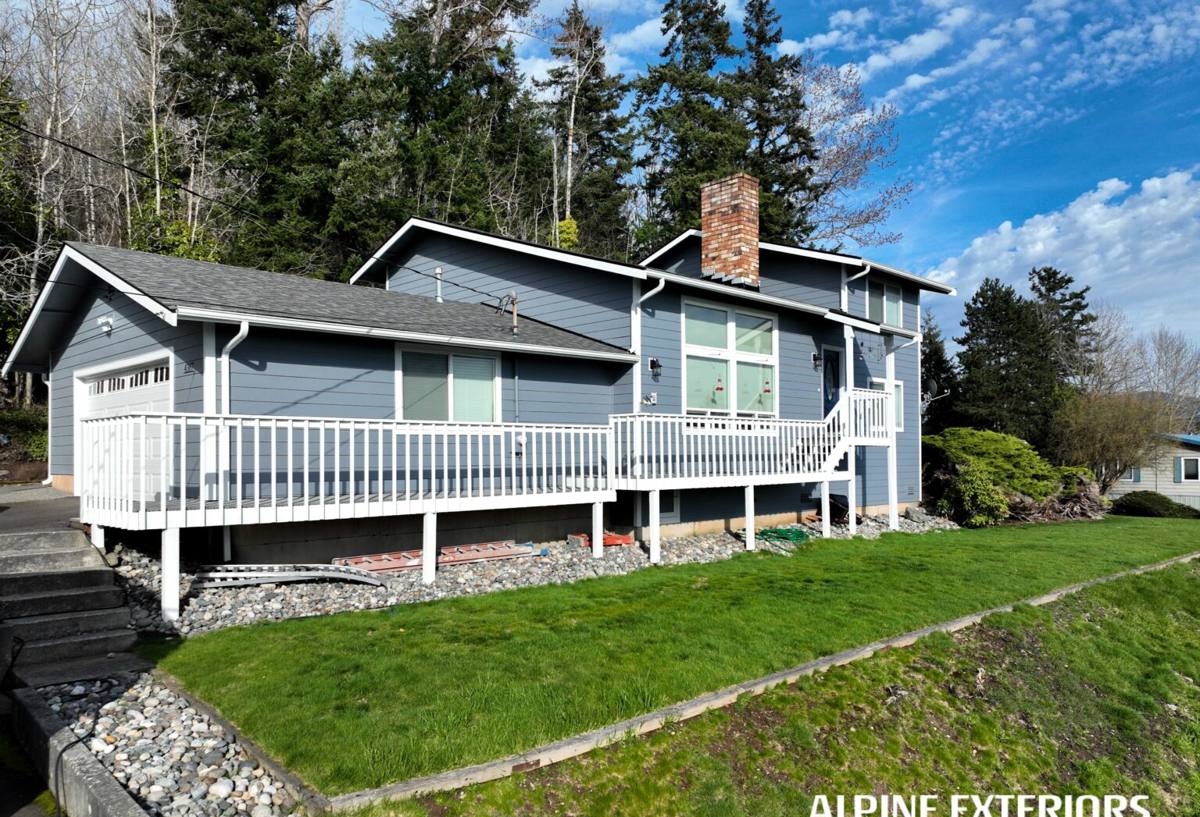
Everson sits inland from the Salish Sea, so the salt-laden air that erodes metal flashing and fasteners on coastal Whatcom County homes reaches here in a milder form — but it doesn't disappear. Combine that with driving rain that comes in sideways during winter storms, and you get roofs where the failure points are rarely the shingles in the middle of a slope. They're the edges, valleys, and penetrations: ridge caps, chimney flashing, vent boots, and gutter lines.
Moss Season Compounds Everything
Whatcom County's long, damp moss season is its own slow-motion storm. Moss holds moisture against the roof surface for months at a time, and on a roof that already has storm damage — a cracked shingle, a lifted tab, exposed nail heads — that trapped moisture finds its way in far faster than it would on an undamaged roof. This is why a storm-damaged Everson roof left unrepaired through a wet fall and winter often shows interior water stains by spring, even from damage that looked minor right after the storm.
Wind Uplift on Everson Roofs
Straight-line winds during winter fronts are the most common cause of storm damage we see here — not hail, which is less frequent in this part of Washington. Wind gets under a shingle edge, especially on older roofs where the sealant strip has weakened, and works it loose. Once one shingle is compromised, the ones around it are exposed to the next storm in a way they weren't before.
What a Correct Storm Damage Repair Involves
A proper repair isn't just replacing the shingles you can see are missing. It starts with figuring out how far the damage actually spreads, because wind and rain damage is rarely contained to the obvious spot.
Full Inspection, Not Just a Look From the Ground
We get on the roof and check the decking underneath damaged areas, not just the surface layer. Water that got under a lifted shingle during a storm can travel along the underlayment before it shows up as a leak inside the house, so the repair area often needs to be larger than the visible damage suggests.
Matching Materials Correctly
Patching storm damage with mismatched shingles or the wrong flashing profile is a common shortcut that causes problems later — mismatched materials weather differently and can create new water paths at the seams. We match shingle type, profile, and as close to color as the product line allows, and we replace flashing with the correct gauge and style for that part of the roof rather than a generic substitute.
Sealing the Real Entry Points
Most storm-related leaks trace back to flashing and penetrations, not open field shingles. Chimney step flashing, valley metal, and vent boots take the brunt of wind-driven rain, and they're where we focus once the shingle repair itself is done.
Our Process From First Call to Finished Repair
- Initial assessment: We look at the storm damage, check attic access for signs of water intrusion, and give you a straight answer on whether this is a repair or something bigger.
- Temporary protection: If there's active exposure — a hole, missing section, or torn flashing — we get it covered right away so the next rain doesn't add more damage while a full repair is scheduled.
- Documentation: We photograph the damage clearly, which matters if you're filing an insurance claim and need a record of the storm-caused condition versus normal wear.
- The repair itself: Matching materials, correct fastening for wind resistance, and flashing done right — not just re-sealed with caulk as a stand-in for proper metal work.
- Final check: We walk the repair with you, confirm there's no remaining exposed decking or gaps, and explain what we did and why.
Insurance and Storm Damage: What to Know Before You Call
Not every storm-damaged roof needs or qualifies for an insurance claim, and filing one isn't always the right call for minor, localized damage — deductibles and future premium impact are worth weighing against the repair cost. What we can do is give you an honest, documented assessment of the damage and its likely cause, which is useful whether you're deciding to file a claim or just paying out of pocket for a straightforward fix.
We are not a public adjuster and don't negotiate your claim for you, but we'll give your insurance company or adjuster a clear, factual description of what we found on the roof if you need that for your file.
What Storm Damage Repairs Typically Involve, Cost-Wise
Costs vary a lot depending on how much of the roof is affected and what's damaged — a few lifted shingles is a very different job than damaged decking or a compromised valley. The table below is a general guide to the factors that move the price, not a quote.
| Damage Type | What's Typically Involved | General Cost Range |
|---|---|---|
| Localized shingle damage (few tabs, one section) | Shingle and underlayment patch, spot resealing | Lower end — often a few hundred dollars |
| Flashing damage (chimney, valley, vent boots) | Flashing removal and replacement, resealing penetrations | Moderate — depends on number of penetrations |
| Wind-lifted large sections | Multiple shingle courses replaced, decking inspection | Moderate to higher, based on square footage |
| Decking damage from water intrusion | Decking replacement under repaired area, full resealing | Higher — most labor-intensive repair type |
We give a firm price after we've actually seen the damage in person, since roof storm damage is one of the areas where an accurate estimate genuinely depends on getting eyes on the roof.
Why It Matters to Hire a Crew That Already Works in Everson
A roofer who works this part of Whatcom County regularly knows the difference between damage caused by this winter's storms and long-term moss or age-related wear that was already present — that distinction matters for insurance documentation and for giving you an honest repair recommendation instead of an oversold one. Local crews also know which materials perform reliably under this region's rain and moss exposure, which affects what we recommend for the repair versus what a crew unfamiliar with the area might default to.
There's also a practical response-time factor. After a regional storm, roofing crews get busy fast, and homeowners who work with a local, established contractor tend to get on the schedule sooner than those calling around from out of the area for the first time.
Signs Your Everson Roof May Have Storm Damage
Some storm damage is obvious. A lot of it isn't, especially from the ground. Here's what to check after a significant windstorm or heavy rain event:
- Shingles that look curled, lifted at the edges, or are missing granules in patches
- Visible gaps or shingles on the ground near the house after high wind
- New water stains on ceilings or upper interior walls
- Sagging or soft spots visible along the roofline
- Flashing around the chimney or vents that looks bent, pulled away, or gapped
- Increased moss growth concentrated in one area, which can signal a spot holding water longer than it should
- Granules collecting in gutters or downspouts after a storm
If you see any of these, it's worth having it looked at before the next round of rain rather than waiting until it's obviously leaking.
Get a Straight Answer on Your Roof
If a recent storm has you wondering whether your roof needs attention, we're happy to take a look and tell you honestly what we find — repair, monitor, or something more. Request a free, no-pressure estimate using the form below, and we'll get back to you with next steps for your Everson home.