 Whatcom County
 Building a Deck That Actually Holds Up in Everson
Everson sits in the Nooksack River valley, and that location shapes what a deck has to survive here. Whatcom County's marine climate means long stretches of damp weather, driving rain that comes in sideways more often than people expect, and a moss season that can run from fall through spring. A deck built to a generic national spec will often look fine for a year or two and then start showing problems: soft spots near the house, moss creeping across the boards, fasteners bleeding rust, railings that wobble because the posts never dried out properly before they were closed in. Building for this area means designing and installing with that moisture load in mind from the first footing, not just picking a material and hoping for the best.
We treat deck building as a system — framing, fastening, decking, drainage, and flashing all have to work together. Get one piece wrong and the rest of the deck pays for it over time, usually in ways that are expensive to fix after the fact because they're hidden under the decking or behind the ledger board.
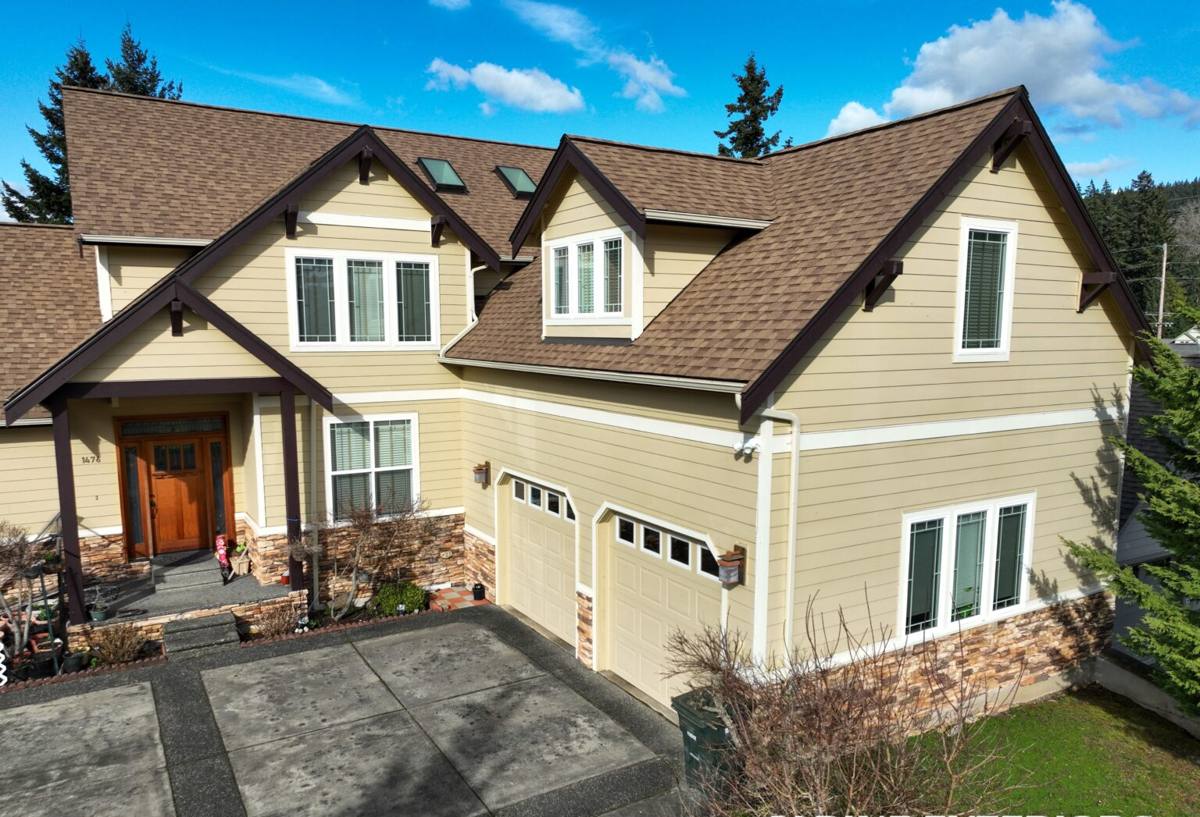
What Whatcom County's Climate Actually Does to a Deck
Moisture That Doesn't Let Up
The problem in this part of Washington isn't usually one big storm — it's the steady, low-grade dampness that sits on wood for days at a time. Untreated or poorly sealed lumber stays wet longer than it should, and that's exactly the condition rot fungus and mold need to get going. Framing lumber that's in contact with soil, undersized ledger flashing, and decking laid without gaps for airflow are the three most common culprits we run into.
Moss and Algae Growth
Shaded decks, north-facing decks, and decks near trees or fences that block sun and wind are the ones that grow moss fastest. Moss holds moisture against the wood surface, and on composite decking it can stain the surface even though it won't rot it. Either way, a slick, moss-covered deck is also a fall hazard for anyone using it in wet weather, which is most of the year here.
Freeze-Thaw and Ground Movement
Whatcom County doesn't get deep freezes every winter, but it gets enough freeze-thaw cycling that footings poured too shallow, or without proper drainage around them, can heave or settle over a few seasons. That shows up as a deck that's slightly out of level, railings that shift, or stairs that no longer sit flush.
What a Correctly Built Deck Involves Here
Footings and Framing
Footings need to go below frost depth and bear on stable, well-drained soil — not just be poured to a minimum depth and called done. We use pressure-treated framing lumber rated for ground contact where it's near soil, and we keep any wood-to-concrete contact separated with proper post bases rather than setting posts directly in or on top of concrete where water can wick into the end grain.
Ledger Attachment and Flashing
The ledger board — where the deck attaches to the house — is the single most common failure point on older decks we're asked to look at. It needs continuous flashing that sheds water away from the house wall, proper structural fasteners (not just deck screws), and a gap or flashing detail that keeps water from tracking behind the siding. This is also where a deck project intersects directly with siding and exterior moisture management, which is the other half of what we do.
Decking Layout and Airflow
Boards need consistent gapping for drainage and airflow underneath, and the substructure needs enough clearance and, ideally, ventilation so the underside of the deck can actually dry out between rain events instead of staying damp for weeks.
Choosing a Decking Material for This Climate
There's no single "right" decking material for every homeowner — it depends on budget, how much upkeep you're willing to do, and how much shade the deck gets. Here's how the common options actually perform in Whatcom County conditions:
| Material | Upfront Cost | Moss/Moisture Resistance | Maintenance | Realistic Lifespan Here |
|---|---|---|---|---|
| Pressure-treated wood | Lowest | Fair — needs sealing to perform well | Annual cleaning and re-sealing recommended | 10-15 years with upkeep |
| Cedar | Moderate-High | Good natural rot resistance, but still needs sealing | Regular cleaning, periodic staining/sealing | 15-20 years with upkeep |
| Composite decking | Higher | Very good — won't rot, but can stain from moss/algae on the surface | Periodic washing, no sealing/staining needed | 25+ years, varies by product warranty |
| PVC/capped polymer decking | Highest | Best moisture resistance of the group | Occasional washing | 25-30+ years, varies by product warranty |
We install both wood and composite/PVC systems and will walk through the honest trade-offs for your specific deck — how much sun and shade it gets, whether it's attached to the house or freestanding, and what your maintenance appetite actually is. Composite and PVC cost more upfront, but for a shaded, moss-prone lot in this valley, the reduced maintenance often makes the math work out over the life of the deck.
Fasteners and Hardware
Cheap or mismatched fasteners are a false economy on any deck built in a wet climate. We use fasteners and structural connectors rated for the specific decking and framing materials involved — stainless or coated hardware that's compatible with treated lumber's chemical makeup, so you don't end up with corroded, streaking fasteners a few years in.
Common Deck Problems We See on Everson-Area Homes
- Ledger boards attached without proper flashing, allowing water to track behind the siding
- Posts set directly in concrete with no separation, leading to rot at the base
- Decking installed tight with no drainage gap, trapping moisture and speeding up moss growth
- Undersized or shallow footings that shift slightly over a few freeze-thaw cycles
- Railings that were structurally adequate when built but have loosened as wood posts have swelled and shrunk with seasonal moisture
How We Approach a Deck Project
- On-site assessment of the location, sun/shade exposure, drainage, and how the deck will attach to the house
- Honest conversation about material options and budget, including realistic maintenance expectations for each
- Design and permitting through Whatcom County as required for the size and attachment of the deck
- Footings and framing built to handle this area's soil and moisture conditions, not a generic minimum spec
- Proper ledger flashing and house-side moisture management, since a deck built well but flashed poorly can still cause damage to the home itself
- Decking installation with correct spacing, fastening, and airflow underneath
- Final walkthrough covering how to care for the specific material you chose
Permits and Local Requirements
Most attached decks and many freestanding decks over a certain height require a permit in Whatcom County, along with inspections at the framing and final stages. Skipping this step is a real risk — beyond the legal exposure, it can also create problems if you ever sell the house and a buyer's inspector flags unpermitted structural work. We handle the permitting process as part of the job so you're not left chasing paperwork.
Keeping a Deck in Good Shape Once It's Built
No decking material in Whatcom County is truly maintenance-free — some just need far less than others. A short seasonal routine goes a long way toward avoiding the rot and moss problems that shorten a deck's life:
- Sweep leaves and debris off the deck regularly, especially in fall, so moisture doesn't sit trapped underneath them
- Wash the surface at least once a year to remove moss, algae, and organic buildup before it stains or gets slick
- Check and re-seal wood decking on the manufacturer's recommended schedule, typically every 1-2 years
- Inspect railings, stairs, and ledger flashing annually for movement, gaps, or signs of water tracking
- Trim back overhanging branches and vegetation that keep the deck surface shaded and damp longer than necessary
Why It Matters to Hire a Crew That Already Works in Everson
A deck built from a plan that ignores local conditions can look identical to one built correctly — right up until the moisture problems show up two or three years later. Crews who work regularly in Whatcom County know which details actually matter here: how deep footings need to go in this soil, how much airflow a deck needs underneath given how long things stay damp, and how to flash a ledger board so it doesn't quietly rot the siding behind it. That local experience is the difference between a deck that needs real repairs in year three and one that's still solid well past year fifteen.
If you're planning a new deck or need an existing one evaluated in Everson, we'd be glad to take a look and give you a straightforward, no-pressure estimate — just fill out the form below.