 Whatcom County
 Windows in Sehome Take a Different Kind of Beating
Sehome sits close enough to Bellingham Bay that salt-laden air is a daily fact of life, not an occasional nuisance. Add in Whatcom County's long stretch of driving rain from fall through spring, plus a moss and mildew season that can run eight months or more, and you've got a set of conditions that wears out windows faster than most manufacturers' glossy brochures let on. A window that would last two or three decades in a dry inland climate can start failing in half that time here if it wasn't installed with this environment in mind.
Custom windows aren't about luxury upgrades or architectural flourishes (though they can be that too). For most Sehome homeowners, "custom" simply means windows sized, built, and installed to fit an existing opening correctly — especially in older homes where nothing is quite square anymore — using materials and installation details that actually hold up to salt, rain, and moisture over time.
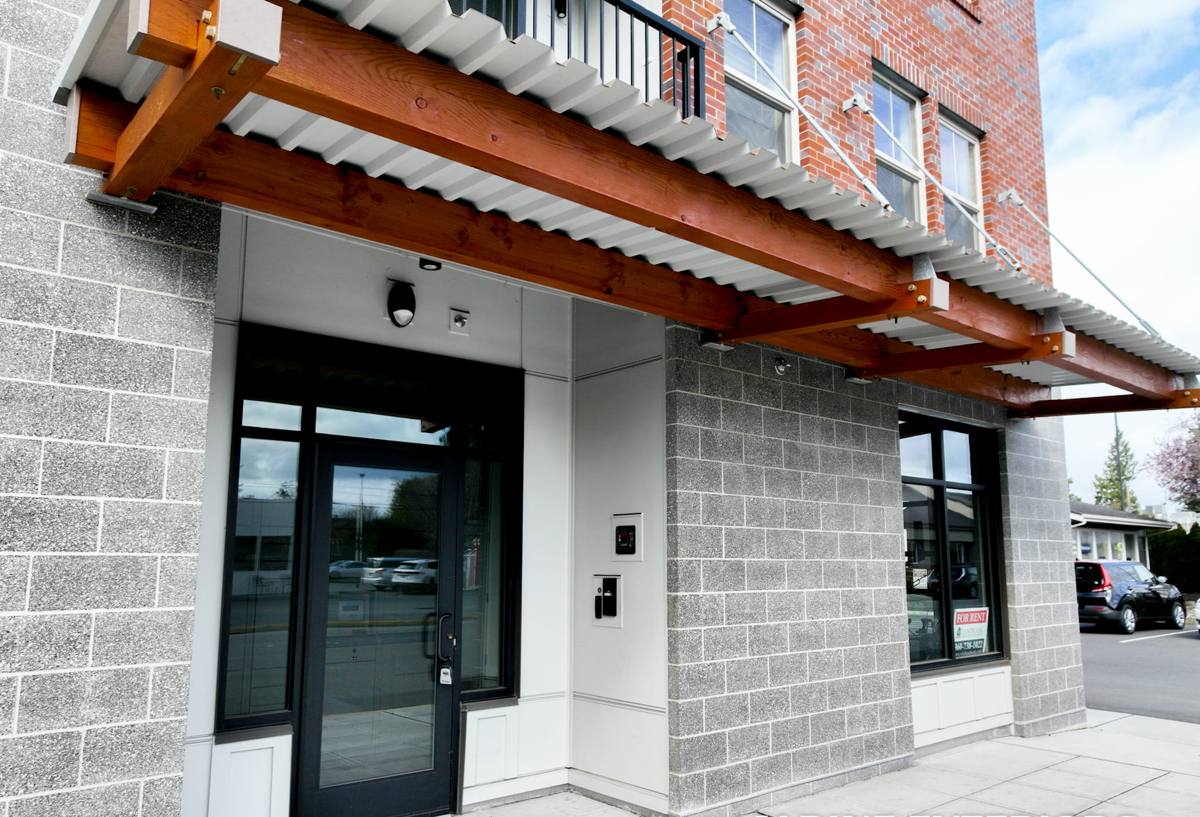
What Whatcom County's Climate Does to Windows
Salt Air and Hardware Corrosion
Airborne salt from the bay accelerates corrosion on window hardware — hinges, cranks, locks, and especially any exposed aluminum or steel components. Cheaper hardware finishes pit and seize up years before the glass unit itself fails. This is one of the biggest differences between a window built for a dry climate and one built for a coastal one, and it's rarely something homeowners think to ask about until a crank handle won't turn anymore.
Driving Rain and Water Intrusion
Wind-driven rain doesn't just fall straight down — it gets pushed sideways into any gap in the flashing, siding, or window flange. Around Bellingham Bay, that sideways push is strong enough and frequent enough that a marginal installation will eventually leak, even if the window itself is a good product. Most window failures we see in this area aren't glass failures — they're water intrusion failures around the frame, caused by flashing details that were rushed or skipped.
Moss, Mildew, and Long-Term Moisture
Whatcom County's extended damp season means anything that holds moisture against wood — sills, trim, or an old window frame with failing seals — stays wet longer than it would elsewhere. That prolonged dampness is exactly what moss, algae, and wood rot need to take hold. Windows with poor drainage paths or wood components without proper cladding are especially vulnerable.
What a Correct Custom Window Job Actually Involves
"Custom" windows get built or ordered to the exact rough opening measurements of your home rather than forcing a standard size into a space it doesn't quite fit. That precision matters more here than in a lot of climates, because a loose fit means more gaps for wind-driven rain to exploit, and more caulk being asked to do a job it was never designed to do long-term.
- Accurate measurement of each opening — older Sehome homes often have openings that are slightly out of square after decades of settling
- Removal of the old window down to the framing, so we can actually see what condition the sill and studs are in before covering them back up
- Repair of any rot or water damage found during removal, rather than installing a new window over a hidden problem
- Proper flashing integration — the window flange has to tie into the weather-resistive barrier and siding in the correct shingle-lap order so water sheds outward, not inward
- Sill pan flashing at the bottom of the opening, so any water that does get past the outer seal drains back out instead of pooling
- Low-expansion foam or backer rod and sealant around the frame, sized correctly for the gap — not just a bead of caulk around the outside trim
- Interior and exterior trim reinstalled or replaced to match the home
Skip any one of these steps and you can end up with a brand-new, expensive window that still leaks — because the failure point was never the glass, it was the installation detail around it.
Choosing Frame Materials for This Climate
There's no single "best" window material for every home — it depends on your budget, your home's style, and how much upkeep you're willing to do. Here's how the common options actually perform in a salt-air, high-rainfall environment like Sehome's:
| Frame Material | How It Handles Salt Air & Rain | Maintenance | General Cost Position |
|---|---|---|---|
| Vinyl | Won't corrode or rust; performs well against salt air. Can look dated on higher-end homes. | Low — occasional cleaning | Lower |
| Fiberglass | Excellent moisture and corrosion resistance; dimensionally stable in temperature swings | Low | Mid to higher |
| Aluminum | Prone to corrosion pitting near the bay unless it has a marine-grade finish; also conducts cold, which can lead to condensation | Moderate | Mid |
| Wood-clad | Good look and insulation, but exposed wood edges or damaged cladding are vulnerable to the long wet season | Higher — cladding seams need periodic checking | Higher |
Our default recommendation for most Sehome homes is vinyl or fiberglass, specifically because they don't give salt air or standing moisture anything to corrode or rot. If a homeowner wants the look of wood-clad windows, we'll install them — but we're upfront that the tradeoff is more attention to maintenance over the life of the window.
Signs Your Current Windows Are Losing the Battle
- Cranks, locks, or hinges that feel stiff, gritty, or won't turn smoothly anymore
- Visible fogging or moisture between panes of double-glazed glass — a sign the seal has failed
- Soft or discolored wood trim around the window, especially at the bottom sill
- Drafts you can feel with your hand near the frame edges on a windy day
- Moss or dark staining building up on the exterior trim or sill
- Paint that keeps peeling or bubbling around the frame no matter how often it's redone
- Noticeably higher heating bills without any other obvious cause
Any one of these on its own isn't necessarily an emergency, but a few of them together usually mean the window's ability to keep water and air out has already been compromised, and it's worth having it looked at before it turns into a framing repair.
Our Process for a Sehome Window Project
1. On-Site Assessment
We look at each window from both inside and outside, check the condition of surrounding trim and siding, and talk through what's actually driving the project — comfort, energy costs, appearance, or a known leak.
2. Measurement and Product Selection
We take precise measurements of each opening and walk through frame material, glass package, and style options based on your home, your budget, and how exposed that particular wall is to weather and salt air.
3. Removal and Inspection
Old windows come out carefully so we can inspect the framing and sill underneath. If there's rot or water damage, we address it before anything new goes in — never over it.
4. Installation with Proper Flashing
This is where most of the long-term performance is decided. We follow correct flashing sequence and sill pan drainage so the assembly sheds water the way it's supposed to, not just the way it looks like it does on install day.
5. Trim, Seal, and Cleanup
Interior and exterior trim gets finished to match your home, seals are set correctly, and the site is cleaned up before we call the job done.
Why Hire a Crew That Already Works in Sehome
A lot of window problems in this part of Whatcom County trace back to installation practices borrowed from drier climates — details that are fine in places without our rainfall and salt exposure, but that fall short here. A crew that regularly works Bellingham Bay-area homes already knows which flashing sequences hold up, which hardware finishes are worth the upgrade, and which older Sehome homes tend to have out-of-square openings or hidden sill damage before they even open a wall.
There's also a practical permitting and code side to this. Window replacement in Whatcom County can trigger different requirements depending on whether it's a like-for-like swap or a change in size or egress, and a local crew that pulls permits regularly in this area won't be guessing at the process.
What Custom Windows Typically Involve, Cost-Wise
We don't publish fixed prices because every home, opening size, and material choice is different — but broadly, the biggest cost drivers on a custom window project are frame material, glass package (standard double-pane vs. upgraded low-E or triple-pane), the number of openings, and how much hidden repair work turns up once the old window comes out. Homes with rot or water damage behind the old frame will cost more to do right than a straightforward swap into sound framing — which is exactly why we inspect before quoting a final number, not just measure from the outside.
If your Sehome home has windows that are drafty, foggy, stiff, or just past their prime, we're happy to take a look and give you a straight, no-pressure estimate — no guesswork, no upsell, just an honest read on what your windows actually need. Fill out the form below to get started.