 Whatcom County
 Metal Roofing in the Columbia Neighborhood: Built for What Whatcom County Weather Actually Does
Homes in the Columbia neighborhood sit close enough to Bellingham Bay that salt-laden air is a real factor in how a roof ages, not just a talking point. Add Whatcom County's long stretch of driving rain and the shaded, damp conditions that let moss take hold on north-facing slopes for months at a time, and you have a climate that is genuinely tough on roofing materials. Metal roofing holds up well against all three of these stresses when it's specified and installed correctly — but "metal roofing" covers a wide range of products and installation quality, and getting the details wrong can mean a roof that looks fine for a couple of years and then starts causing problems.
This page is about what a metal roof needs to do for a Columbia-area home specifically: what the local climate throws at it, what a correct installation actually involves, and what our process looks like from first look to finished roof.
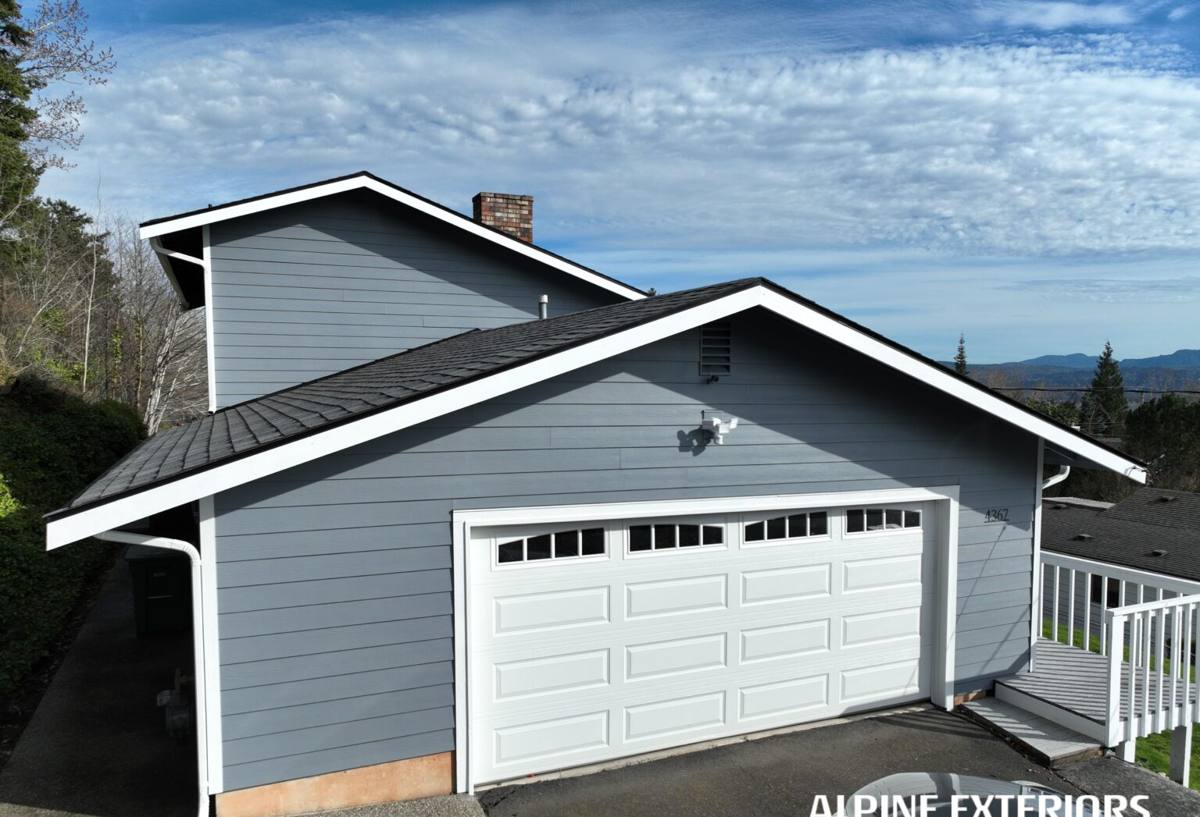
What Salt Air, Rain, and Moss Actually Do to a Roof
Salt Air and Corrosion
Airborne salt from the bay doesn't need to be a strong ocean breeze to matter — fine salt particulate travels on humid air and settles on any exposed metal, including fasteners, flashing, and panel edges. Over years, that accelerates corrosion on lower-grade steel and untreated fasteners. It's most noticeable at cut edges, screw heads, and anywhere the protective coating has been scratched or worn through during installation. This is why the specific alloy, coating, and fastener package matter more here than they would for a home thirty miles inland.
Driving Rain and Water Intrusion
Whatcom County doesn't just get a lot of rain — it gets wind-driven rain that hits roof planes at an angle, which pushes water sideways and upward into laps, seams, and penetrations that a straight-down rain would never reach. A roof that would keep a house dry in a calmer climate can leak here if the underlayment, flashing details, and panel overlaps aren't built for sideways-driven water.
Moss and Trapped Moisture
Shaded roof sections and north slopes in this area stay damp for extended stretches, especially under tree cover, which is common in established Columbia-area lots. Moss doesn't just look bad — it holds moisture against the roof surface and, on shingle roofs, works its way under tabs. Metal sheds moss more easily than shingles because there's no rough surface for spores to grip, but valleys, panel seams, and areas where debris collects can still develop moss and lichen if the roof isn't detailed and occasionally cleaned.
Why Metal Roofing Fits This Climate When It's Done Right
Metal roofing's advantages line up well with what Columbia homes deal with, but only when the system is matched to the exposure:
- Steep, smooth panel surfaces shed rain and moss growth far more effectively than textured materials.
- Properly coated steel or aluminum resists the slow corrosion that salt air accelerates on inferior fasteners and cut edges.
- A correctly installed metal roof handles wind-driven rain because the seam and fastening design (not just the panel material) is built to resist lateral water movement.
- Metal roofs typically last several decades longer than composition shingles when installed and maintained correctly, which matters in a wet climate where reroofing is disruptive and roofs are rarely a "set it and forget it" purchase.
None of this happens automatically just because the material is metal. A metal roof installed with the wrong fastener coating, inadequate underlayment, or generic flashing details will underperform a well-installed asphalt roof in this climate. The material is only half the equation — installation quality is the other half.
Choosing the Right Metal Roofing System
There are two broad categories of residential metal roofing, and they behave differently in a coastal, rain-heavy climate like Whatcom County's.
Standing Seam
Standing seam panels use raised, interlocking seams with no exposed fasteners on the visible surface. Panels are fastened through concealed clips, which means there are far fewer penetration points for water — and none exposed directly to weather and salt air. This is generally our recommendation for homes with heavy rain and salt exposure, because it removes the most common failure point on lower-grade metal roofs: fastener corrosion and backed-out screws.
Exposed-Fastener Panels
Exposed-fastener (through-fastened) panels are attached with screws driven directly through the panel face, using rubber-gasketed washers to seal each penetration. They cost less up front and are a reasonable option for secondary structures like shops, garages, and outbuildings. On a primary home roof in a salt-air, high-rainfall area, the trade-off is that every one of those fasteners and washers is a maintenance point — gaskets harden and shrink over time, and that's precisely the kind of long-term maintenance burden we try to steer homeowners away from on their main roof when a stronger option is affordable.
| Factor | Standing Seam | Exposed-Fastener Panels |
|---|---|---|
| Exposed fasteners | None — concealed clip system | Yes, every panel course |
| Long-term maintenance | Low | Moderate — gaskets need periodic inspection |
| Salt-air performance | Strong — fewer exposure points | Adequate with quality fasteners, more upkeep |
| Typical upfront cost | Higher | Lower |
| Best use | Primary homes, high-exposure roofs | Shops, outbuildings, budget-driven projects |
As a broad range, homeowners in this region typically see installed costs somewhere in the neighborhood of $9 to $16 per square foot for standing seam and $6 to $10 per square foot for exposed-fastener panels, depending on roof complexity, pitch, tear-off requirements, and material gauge. These are general industry ranges, not a quote — every roof is different, and the only way to get an accurate number is a measurement and a look at your specific roof.
What a Correct Installation Involves
The panel itself is the most visible part of a metal roof, but most of what determines whether it performs for thirty-plus years happens underneath and around it.
Underlayment
A high-temperature synthetic or self-adhered underlayment matters more under metal than under shingles, both because metal panels can develop condensation on the underside in temperature swings and because it's the backup layer against any wind-driven rain that gets past the panel laps.
Flashing and Penetrations
Valleys, chimneys, vents, and wall transitions are where most roof leaks actually originate, on any roofing material. Metal roofing requires flashing details specific to the panel profile — generic or improvised flashing is one of the most common causes of early leaks on metal roofs installed by crews who don't specialize in the material.
Fasteners and Sealants
In a salt-air environment, fastener quality is not a place to cut corners. We use fasteners rated for the coastal exposure this area sees, matched to the panel material to avoid galvanic corrosion between dissimilar metals — a detail that's easy to overlook and expensive to fix later.
Ventilation
Metal roofs need proper attic or roof-deck ventilation to manage condensation, especially in a humid climate. Skipping or under-sizing ventilation is one of the quieter causes of premature deck rot underneath a roof that looks perfect from the outside.
Our Process for Columbia Metal Roofing Projects
- On-site assessment. We look at your existing roof, deck condition, ventilation, and exposure — including how much salt air and shade the specific roof planes get — before recommending a system.
- System recommendation and honest estimate. We'll tell you which panel type fits your home and budget, including the trade-offs, and give you a clear written estimate with no pressure to upgrade beyond what your roof actually needs.
- Tear-off or overlay evaluation. Depending on your existing roof's condition, we determine whether a full tear-off is warranted or whether a deck inspection reveals hidden moisture damage that needs to be addressed first.
- Installation. Underlayment, flashing, panels, and fasteners are installed to manufacturer specifications and matched to this area's wind and moisture exposure — not a generic, one-climate-fits-all approach.
- Final walkthrough. We review the finished roof with you, including what maintenance (if any) it will need going forward.
Long-Term Maintenance: What to Expect
One of the real advantages of metal roofing is how little maintenance it needs compared to shingles — but "little" isn't "none," especially in this climate. A short annual check keeps small issues from becoming expensive ones.
- Clear debris from valleys and gutters before the fall rains, since trapped organic matter holds moisture against the panel.
- Look for moss or lichen forming in shaded valleys or where tree cover overhangs the roof, and remove it before it spreads.
- Check exposed fasteners (if you have an exposed-fastener roof) every couple of years for backed-out screws or aging gaskets.
- Inspect flashing around chimneys, vents, and skylights after major storms for any signs of movement or gaps.
- Rinse accumulated salt film off the roof periodically if your home is in a particularly exposed spot near the bay.
Repairs, Coating, or Replacement — Knowing Which One You Need
Not every issue on an aging metal roof means a full replacement. A roof with isolated fastener failures, a damaged flashing detail, or a small area of panel damage from a fallen branch is usually a repair, not a tear-off. Recoating can extend the life of a metal roof that's structurally sound but showing surface wear, though it's not a fix for underlying leaks or corroded panels — it's a maintenance step for a roof that's otherwise in good shape. Replacement becomes the honest recommendation when corrosion has compromised the panel material itself, when the deck underneath has moisture damage, or when the roof is old enough that patch repairs would just be delaying an inevitable full replacement at greater eventual cost. We'll tell you plainly which category your roof falls into rather than defaulting to the most expensive option.
Why Local Experience in Columbia and Whatcom County Matters
A roofing crew that mainly works drier, inland climates will often under-spec underlayment, flashing, and fastener choices simply because they've never had to solve for driving rain and salt exposure on a regular basis. Working in and around Bellingham and the Columbia neighborhood specifically means we're used to the exposure patterns on this side of the county — which slopes hold moss longest, how close a roof sits to salt air, and what wind-driven rain does to a poorly flashed valley. That familiarity shows up in the details, not in anything flashy: the flashing choices, the fastener spec, and the underlayment we use are decisions shaped by what actually fails on roofs in this specific area.
If you're considering a metal roof for your Columbia-area home, we're happy to take a look and walk you through what your specific roof needs — no pressure, no upsell, just a straight assessment and a free estimate using the form below.