 Whatcom County
 Why Window Installation in Sehome Is Its Own Job
Sehome sits close enough to Bellingham Bay that salt-laden air is a real factor in how windows age, and it shares the same wet, gray stretch of the calendar as the rest of Whatcom County — driving rain off the water, long moss seasons on anything shaded or north-facing, and weeks at a time where siding and trim barely get a chance to dry out. Window installation here isn't just "swap the old unit for a new one." It's a job that has to account for how water moves around a house that spends a good part of the year damp, and how salt air accelerates corrosion on hardware and fasteners that would last much longer somewhere drier.
We install windows all over Whatcom County, and Sehome's mix of older homes near the hill and newer construction closer to the flats means we see a wide range of existing conditions — original single-pane wood windows still in service, 1990s vinyl units that were never flashed correctly, and newer homes where the windows are fine but the surrounding trim and sealant have failed early. Each of those calls for a different approach, and none of them are solved by just caulking the gaps and calling it done.
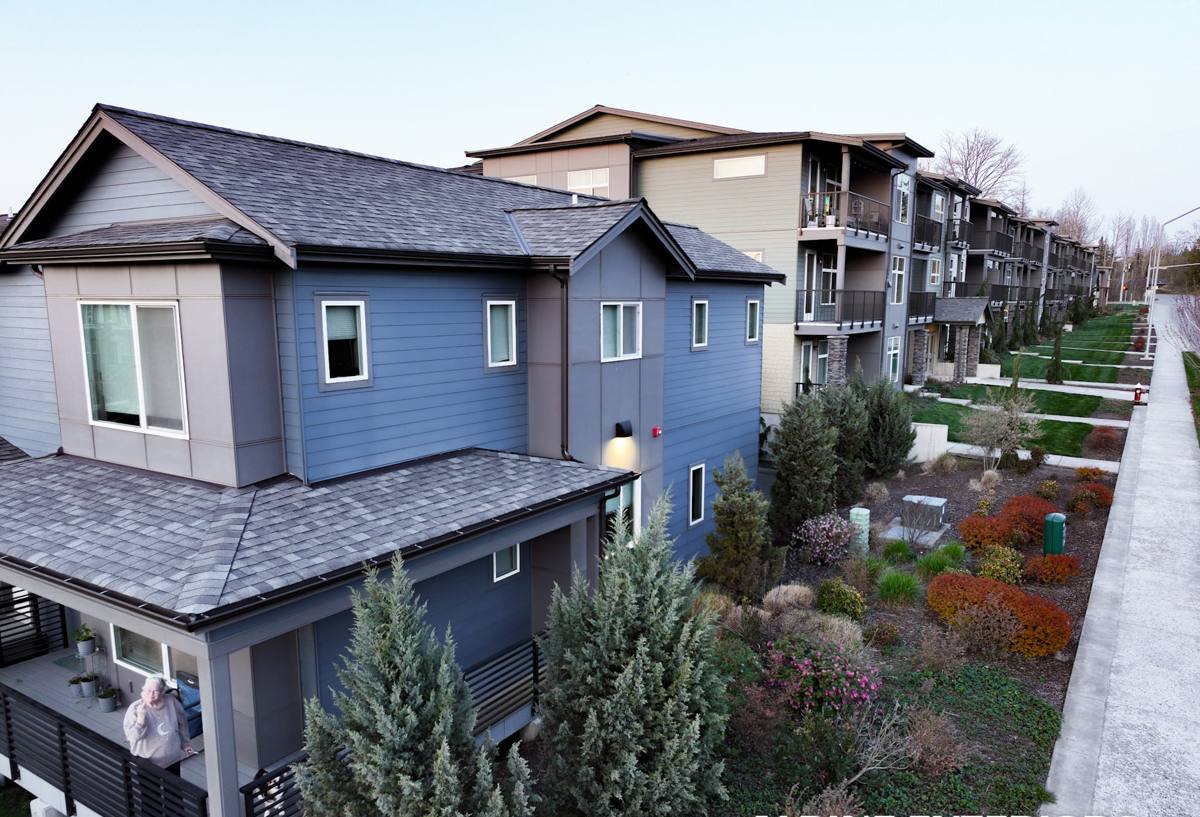
What Sehome's Climate Actually Does to Windows
Salt Air and Hardware Corrosion
Homes closer to the bay deal with airborne salt that settles on window hardware, screws, and unprotected metal flashing. Over years, this shows up as pitting on hinges and locks, corrosion streaks below aluminum trim, and fasteners that seize or snap when a window finally needs servicing. It's not dramatic, and it's easy to miss until a window won't latch properly or a screw strips out during a repair.
Driving Rain and Wind-Driven Water
Rain in this part of Washington doesn't just fall straight down — storms off the water push it sideways into window openings, especially on west- and south-facing walls. If the flashing, house wrap, and sealant weren't installed in the right order and lapped correctly, water gets behind the window frame instead of shedding off it. That's when you start seeing soft trim, stained drywall below a sill, or a musty smell in a room that otherwise looks fine.
Moss and Prolonged Moisture
Shaded elevations and north-facing walls in Whatcom County stay damp far longer than the rest of the house. Moss and algae take hold on sills, trim, and any horizontal surface that doesn't get sun or airflow. Left alone, that moisture holds against wood trim and paint long enough to start rot — and a window that's structurally fine can still fail early because the trim around it gave out first.
What a Correct Window Installation Actually Involves
A window installation done right in this climate isn't just about the window unit itself — most of what determines whether it lasts happens in the parts nobody sees once the trim goes back on.
- Remove the old window and inspect the rough opening for rot, soft sheathing, or prior water damage before anything new goes in
- Repair or replace any compromised framing, sheathing, or house wrap found during removal — never install a new window over a bad opening
- Install flashing in the correct shingle-lap order (sill pan first, then side flashing, then head flashing) so water is directed out and down, never trapped
- Set the window level, plumb, and square, and shim it correctly so it operates smoothly and doesn't stress the frame over time
- Seal and insulate the gap between the window and rough opening with the right materials — not just spray foam alone, and not just caulk alone
- Finish exterior trim and sealant joints so water sheds away from the window rather than pooling on a horizontal ledge
- Confirm proper operation — smooth opening and closing, tight seal at latch points, and no binding — before calling the job finished
Skip the sill pan, get the flashing order wrong, or rely on caulk to do a flashing detail's job, and the window can look perfect for a year or two while water quietly works behind it. That gap between "looks fine" and "is actually sealed correctly" is where most window problems in this area start.
Full Replacement vs. Repair: How We Help You Decide
Not every window in a Sehome home needs full replacement. Sometimes the glass unit or hardware has failed but the frame and flashing are sound. Other times the window itself is fine but the surrounding trim and sealant have deteriorated enough that water is getting in around it rather than through it. We look at the whole opening — glass, frame, flashing, and trim — before recommending a direction, because replacing a window that didn't need it wastes money, and patching one that needs full replacement just delays the real fix.
| Sign | Likely Fix | Why |
|---|---|---|
| Fogging or cloudiness between panes | Full window replacement | The seal on the insulated glass unit has failed; it can't be repaired, only replaced |
| Drafts around a closed window | Re-seal or re-flash, sometimes replace | Often a sealant or flashing failure rather than the window itself — worth inspecting before replacing |
| Soft or stained trim below the sill | Trim repair plus flashing correction | Water has been getting behind the trim; the window frame may still be sound |
| Window won't latch or operate smoothly | Hardware repair or full replacement, depending on frame condition | Corroded hardware can sometimes be replaced; a warped frame usually can't |
| Visible rot in the framing around the opening | Full replacement with framing repair | Structural damage has to be addressed before a new window can be installed correctly |
Materials and Product Choices That Make Sense Here
We install windows from established manufacturers with track records in wet Pacific Northwest climates, and we steer clients away from products that look fine on a showroom floor but carry real trade-offs once they're exposed to years of Whatcom County weather. Vinyl frames from a reputable line are a solid, low-maintenance choice for most homes here. Fiberglass and composite frames cost more up front but resist warping and hold paint better on homes where appearance and longevity both matter. We're generally cautious about window products with complex moving hardware or unusual flashing requirements — not because any single product is bad, but because more complexity means more places for a marginal installation to fail, and in a climate this wet, the margin for error is smaller than in drier regions.
Glass packages matter too. Double-pane with a low-E coating is the baseline we recommend for this area; it manages heat loss in winter and glare in summer without the added cost of triple-pane, which is rarely necessary in Whatcom County's moderate coastal climate. We'll walk through the actual options and price differences for your specific home rather than pushing a single package on everyone.
Our Installation Process
1. On-Site Assessment
We inspect the existing windows, the condition of the framing and trim, and any signs of past water intrusion before quoting anything. This is also where we flag which windows genuinely need replacement versus which just need trim or sealant work.
2. Clear Scope and Timeline
You get a written scope covering what's being replaced, what materials we're using, and a realistic timeline — including how weather might affect scheduling, since we won't install in conditions where a proper seal can't be achieved.
3. Careful Removal and Opening Inspection
Old windows come out carefully so we can see the rough opening underneath. Any hidden rot or damage gets addressed before the new window goes in — this is often where we find problems the homeowner didn't know existed.
4. Correct Flashing and Installation
Sill pan, side flashing, head flashing, then the window itself — installed level, plumb, square, and properly shimmed and insulated.
5. Trim, Sealant, and Final Check
Exterior trim is finished to shed water correctly, sealant joints are tooled properly, and every window is operated and checked before we consider the job complete.
Why a Crew That Already Works in Sehome Is Worth It
Window installation isn't complicated in theory, but getting the flashing sequence right, choosing materials that hold up to salt air, and knowing which trim details fail first in a shaded, moss-prone yard are things you learn from doing the work in this specific area, not from a general contractor's manual. A crew that's already worked on homes in Sehome and around Whatcom County has seen how these houses actually age — where water tends to find its way in, which original construction details need extra attention, and what a correct repair looks like five years later, not just on installation day.
That local experience shows up in small decisions during the job: extra attention to a north-facing opening that never dries out, a flashing detail adjusted for a wall that catches more wind-driven rain than most, or a straightforward conversation about why we're recommending trim repair instead of a full window replacement. None of that is guesswork — it's pattern recognition built from working this climate.
A Few Things Worth Checking Before You Call Anyone
- Look for cloudiness or fogging between the panes of glass — that's a failed seal, not a cleaning problem
- Feel for drafts around the window frame on a windy day, especially on walls facing the water
- Check trim and sills for soft spots, dark staining, or moss buildup, particularly on shaded or north-facing walls
- Try opening and closing each window — sticking, binding, or hardware that won't latch cleanly are worth flagging
- Note any interior signs like peeling paint, bubbling drywall, or a musty smell near a window
If you're seeing any of these, it doesn't automatically mean full replacement — but it's worth having someone look before the damage spreads to the framing.
If you're weighing window replacement or repair for a home in Sehome, we're glad to take a look and give you a straight answer about what your windows actually need. The estimate is free, there's no pressure attached to it, and you can request one using the form below.