 Whatcom County
 Storm Damage Roof Repair for Silver Beach Homes
Silver Beach sits in one of the more tree-covered, moisture-heavy pockets of Bellingham, tucked along Lake Whatcom with mature conifers overhanging a lot of the rooflines in the neighborhood. That combination — shade, standing damp air off the lake, and salt-laden air that moves inland from Bellingham Bay during winter storms — creates a roofing environment that behaves differently than a roof out in the open on a dry hillside. When a windstorm or heavy rain event hits, the damage it leaves behind on a Silver Beach roof often isn't obvious from the ground, and it doesn't always show up the same day the storm does.
This page covers what storm damage actually looks like on homes in this part of Whatcom County, what a proper repair involves, and how we approach the job when a Silver Beach homeowner calls us after a storm.
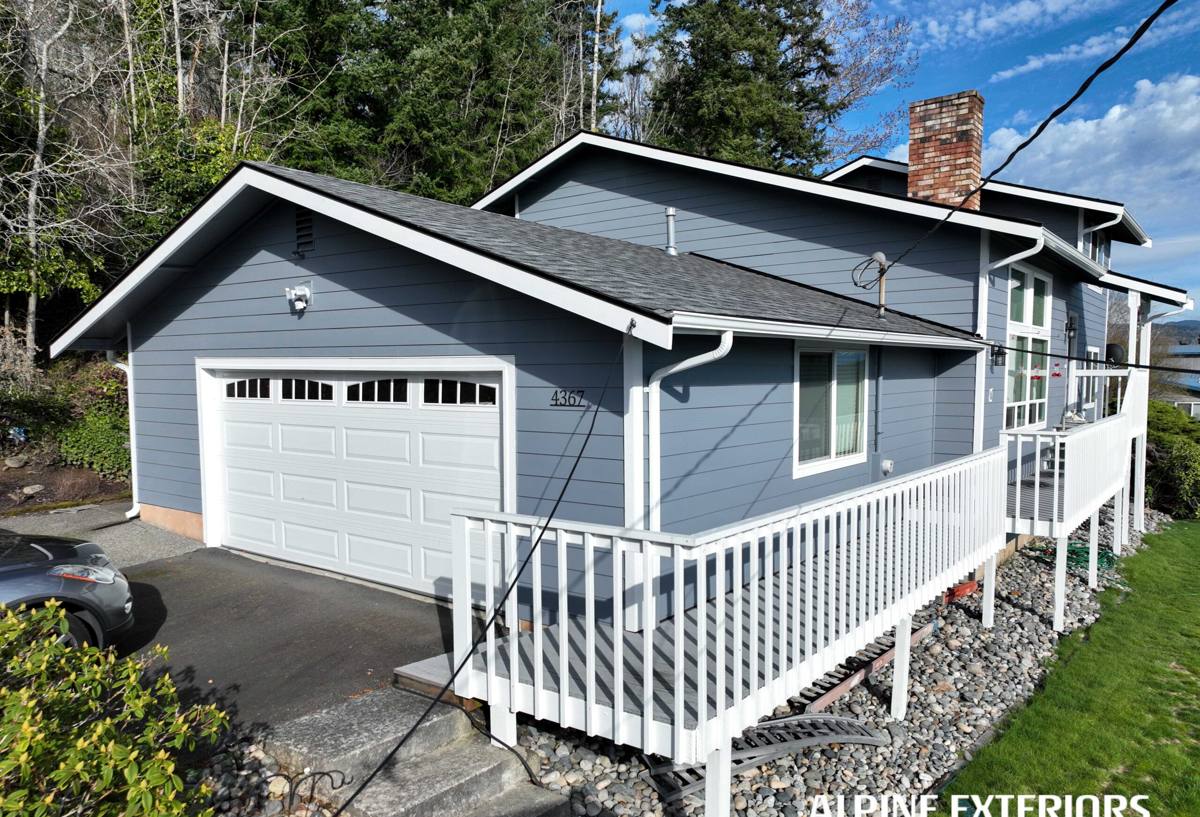
What Storm Damage Actually Means Here
"Storm damage" covers more than a tarp-and-shingle situation. In Whatcom County, the storms that do the most damage to roofs are usually a mix of high wind and sustained rain, sometimes with a freeze-thaw cycle mixed in during the colder months. The damage we see most often on Silver Beach roofs after a storm falls into a few categories:
- Wind uplift: shingles or shakes lifted, cracked, or torn loose at the edges and ridge lines, where wind pressure is highest
- Impact damage: branches or debris from the surrounding tree cover coming down during gusts, which is a bigger factor here than in more open parts of the county
- Flashing failure: wind-driven rain forcing water past flashing at chimneys, vents, and roof-to-wall transitions
- Granule loss: heavy, sustained rain combined with wind can strip protective granules off asphalt shingles faster than normal wear would
- Moisture intrusion behind moss mats: storms often dislodge moss clumps that have been holding water against the roof deck, exposing damage that was already developing underneath
That last point matters a lot in this neighborhood specifically. A storm doesn't just create new damage — it frequently reveals damage that moss and shade have been causing quietly for months.
Why Silver Beach's Climate Complicates Storm Repair
Salt Air
Bellingham Bay is close enough that salt-carrying air reaches inland neighborhoods during winter storm systems. Salt air accelerates corrosion on exposed metal — flashing, fasteners, gutter hardware, and any exposed roofing nails. A storm repair that ignores this and uses standard, uncoated fasteners will corrode faster here than the same repair would in a drier inland part of the county.
Driving Rain
Wind-driven rain doesn't behave like straight-down rain. It gets pushed sideways and upward under shingle tabs, around flashing edges, and into any gap that a calm-weather roof wouldn't have a problem with. A repair that would hold up fine under normal rainfall can still leak during the next windstorm if it wasn't sealed and lapped correctly for wind-driven conditions.
A Long Moss Season
Between the tree canopy and the lake-adjacent humidity, Silver Beach roofs stay damp longer through the fall, winter, and spring than roofs in more open, sun-exposed parts of Whatcom County. That extends the window where moss and moisture can work into a storm-damaged area before anyone notices. A cracked or lifted shingle that would dry out and cause no further harm in a drier climate can turn into a soft, saturated section of decking here if it sits through a few weeks of overcast, damp weather.
What a Correct Storm Repair Actually Involves
A lot of storm repair work in this region gets done as a quick patch — a bead of sealant over a crack, a few replacement shingles nailed down without checking what's underneath. That approach might stop a visible leak for a season, but it doesn't address what the storm may have done to the layers you can't see. Our process for a Silver Beach storm repair includes:
- Full roof inspection, not just the damaged spot. Wind and impact damage rarely stay in one place — we check the whole roof plane, not just where the leak showed up inside the house.
- Decking check. Any area that took sustained water needs the decking checked for soft spots or delamination before new roofing goes back on. Covering a soft deck with new shingles just hides a problem that will resurface.
- Flashing and penetration review. Chimneys, vents, skylights, and wall transitions are the most common places wind-driven rain gets in. These get checked and resealed or replaced as needed, not just the shingle field.
- Matching materials correctly. Replacement shingles or shakes need to match the existing roof's type, weight, and exposure as closely as possible so the repaired section sheds water the same way the rest of the roof does.
- Corrosion-resistant fasteners and flashing. Given the salt air exposure in this part of the county, we use fasteners and flashing rated for coastal-adjacent conditions rather than the cheapest standard option.
- Moss and debris clearing as part of the job. If moss or trapped debris contributed to the damage, we clear it as part of the repair — not as a separate upsell — because leaving it means the same failure repeats.
Repair vs. Full Replacement After a Storm
Not every storm-damaged roof needs to be replaced, and not every roof can be safely repaired section by section. The right call depends on the roof's age, how much of it was affected, and what the inspection finds underneath the surface damage.
| Factor | Leans toward repair | Leans toward replacement |
|---|---|---|
| Age of roof | Under 10-12 years, otherwise in good condition | Nearing or past typical service life for the material |
| Extent of damage | Isolated to one or two areas | Spread across multiple roof planes |
| Decking condition | Solid, dry decking under the damaged area | Soft, delaminated, or repeatedly saturated decking |
| Prior moss/moisture history | Minimal, well-maintained roof | Long-term moss buildup or chronic damp areas found during inspection |
| Material availability | Matching shingle/shake still available | Discontinued or significantly weathered existing material that won't match |
We'll walk you through which category your roof falls into before recommending either path — there's no reason to sell a full replacement when a proper repair will genuinely hold up, and no reason to patch a roof that's going to keep failing in the same spots.
Insurance and Documentation
Most storm damage claims move faster and get approved more cleanly when the damage is documented properly before repairs start. As part of our inspection, we document the damage we find — what it is, where it is, and what likely caused it — so you have a clear record to bring to your insurance carrier. We're happy to walk an adjuster through the roof directly if that's useful for your claim. We don't handle the claim itself, but we make sure the roofing side of the paperwork is solid.
Signs Your Silver Beach Roof May Have Storm Damage
A lot of storm damage isn't visible from the ground or even from a quick look at the roof edge. These are the signs worth acting on:
- Shingles or shakes that look lifted, curled, or out of alignment after a windstorm
- Granules collecting in gutters or at downspout outlets
- New or worsening water stains on interior ceilings, especially near chimneys or vents
- Visible gaps or cracked pieces at ridge lines or roof edges
- Fresh debris — branches, moss clumps, or torn material — sitting on the roof after a storm
- A musty smell in the attic that wasn't there before the storm
- Flashing that looks bent, pulled away, or separated from the roof surface
If you notice any of these after a storm, it's worth getting an inspection before the next round of weather moves through — a small, sealed problem now is a much smaller job than the same problem after another month of Whatcom County rain gets into it.
Our Storm Response Process
When a Silver Beach homeowner calls us after a storm, the process is straightforward:
- We schedule an inspection, usually within a few days depending on how widespread the storm's impact was across the county.
- We walk the roof and document all damage, including anything that isn't causing a visible leak yet.
- We give you a clear breakdown of what we found, what needs immediate attention, and what can be monitored.
- If temporary protection is needed — covering an exposed section before full repair — we handle that first to stop further water intrusion.
- We provide a written estimate for the repair or replacement, matched to what the roof actually needs.
- Once approved, we complete the repair using materials and fasteners suited to this area's salt air and moisture exposure.
Why a Crew That Already Works Silver Beach Matters
Roofing crews that mostly work drier, more open parts of Washington don't always account for what a shaded, lake-adjacent, salt-air-exposed neighborhood does to a roof over time. Standard fasteners corrode faster here. Moss comes back quicker here. Wind-driven rain finds gaps here that wouldn't be a problem somewhere with less tree cover and less humidity. A crew that regularly works roofs in this part of Whatcom County knows to check for these conditions as a matter of course, not as an afterthought — which means the repair is less likely to need a second visit six months later when the next storm rolls through.
Get a Free, No-Pressure Estimate
If a recent storm has left you with a leak, missing shingles, or debris damage anywhere in Silver Beach, we're glad to come take a look. The estimate is free, there's no pressure to move forward, and you'll get a straight answer about what your roof actually needs — repair, monitoring, or replacement. Use the form below to get in touch and we'll schedule a time to inspect the roof.