 Whatcom County
 Roof Repair for Everson Homes
Everson sits in a part of Whatcom County where roofs work hard for their keep. Long wet stretches, driving rain off the Nooksack Valley, and a moss season that can run most of the year all put steady pressure on a roof system. When we get a repair call from an Everson homeowner, it's rarely one simple thing — it's usually a combination of small failures that added up over a few wet seasons. Our job is to find all of them, not just patch the one that's leaking today.
This page covers what roof repair actually means for homes in this area: what typically goes wrong, how we diagnose it, what a correct repair looks like, and why it matters to work with a crew that already knows the local conditions rather than a traveling outfit passing through.
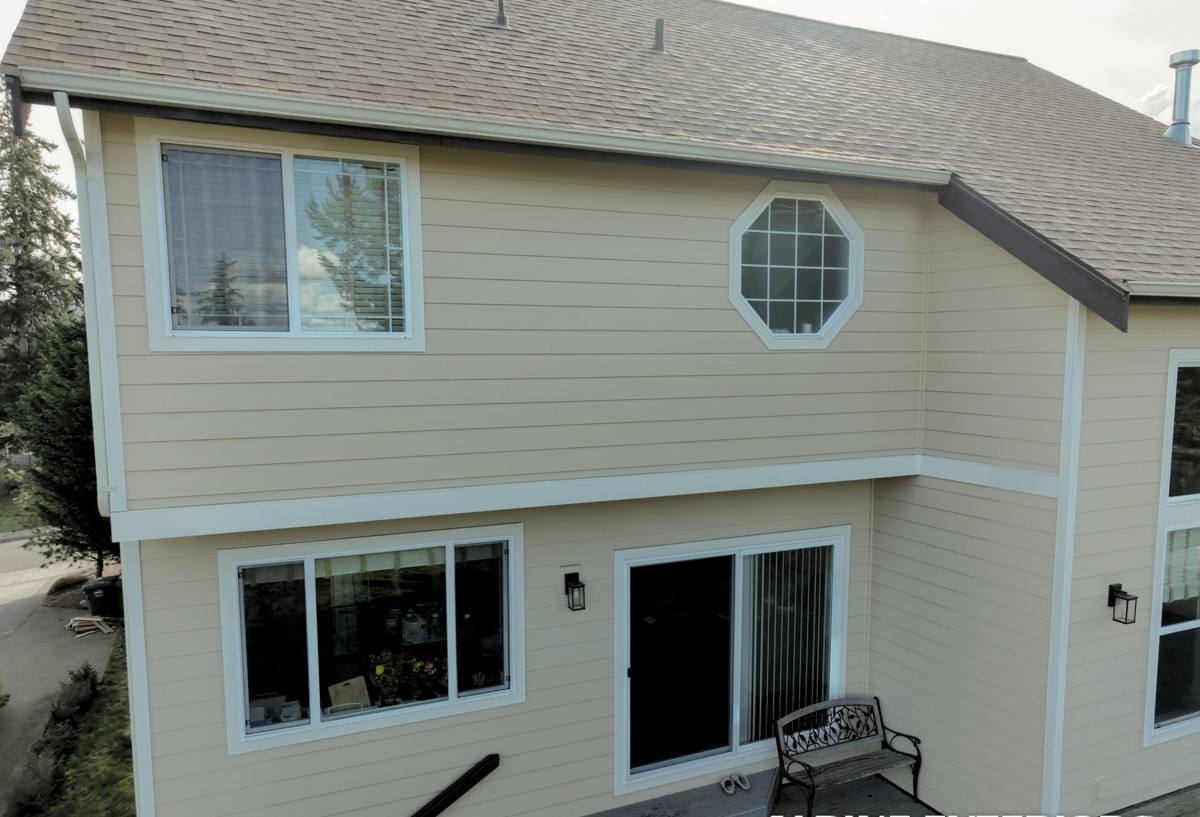
Why Roofs Take a Beating in This Part of Whatcom County
Moisture Is the Constant Enemy
Whatcom County's climate keeps roof surfaces damp for long stretches of the year. That constant moisture is what drives most of the repair calls we get — not one big storm, but slow, repeated saturation that finds every weak point in a roof system over time.
Moss and Organic Growth
A long moss season means moss, lichen, and algae get a real foothold on north-facing slopes and shaded sections of roof. Moss isn't just cosmetic — it holds water against the roofing material, lifts shingle edges as it grows, and traps debris that keeps that section wetter than the rest of the roof. Over a few seasons, a mossy patch is almost always where we find the underlying deck starting to soften.
Driving Rain and Wind-Driven Water
Rain that comes in sideways during a storm behaves differently than rain falling straight down. It gets pushed up under shingle laps, around flashing edges, and into valleys that were fine for years until wind direction and intensity changed. This is why so many "mystery leaks" only show up during specific storms and not others — the water is only entering the system under those particular wind conditions.
Salt Air and Material Fatigue
Proximity to salt-influenced coastal air in this region accelerates the breakdown of exposed metal — flashing, fasteners, vent caps, and gutter hardware. Corroding metal components are a quieter failure than a torn shingle, but they're just as often the actual source of a leak once we get up on the roof and look closely.
Common Repair Issues We Find on Everson Roofs
- Lifted or cracked shingles around valleys, ridges, and roof-to-wall transitions where wind and water stress concentrate
- Failed or corroded flashing at chimneys, skylights, and vent pipes — usually the actual leak source even when the visible damage is elsewhere
- Moss-damaged sections where trapped moisture has softened shingles or the roof deck underneath
- Clogged or sagging gutters that back water up under the roof edge instead of carrying it away
- Soft or spongy decking discovered under a section that looked fine from the ground
- Nail pops and fastener failure from years of wet-dry cycling and temperature swings
- Ventilation problems that trap moisture in the attic and cause damage from the underside of the roof, not just the top
How We Diagnose a Roof Problem
A repair is only as good as the diagnosis behind it. Water on a ceiling below doesn't always show up directly under the actual entry point — it can travel along rafters or sheathing before it drips. So we don't start swinging tools until we understand the whole path the water is taking.
Our Process
- Interior check first. If there's an active leak, we look at attic framing and insulation to trace water staining back toward its likely entry point.
- Full roof walk. We inspect the whole roof, not just the area near the reported leak — moss coverage, flashing condition, fastener condition, and granule loss all get checked.
- Flashing and penetration focus. Chimneys, skylights, plumbing vents, and any roof-to-wall transitions get particular attention, since these are the most common real sources of leaks.
- Deck assessment. Where shingles are lifted or moss has been sitting for a while, we check whether the decking underneath is still solid or has started to soften.
- Written explanation. Before repair work starts, we walk you through what we found, in plain terms, and what we recommend — including if a section needs more than a patch.
What a Correct Repair Actually Involves
A lot of roof "repairs" amount to caulking over a visible gap and hoping it holds through the next storm. That approach tends to fail again within a season or two, because it treats the symptom and not the cause. Our standard is to fix the actual point of failure, which usually means:
- Removing and replacing damaged shingles rather than layering new material over compromised ones
- Reinstalling flashing correctly with proper laps and fastening, rather than sealing over old flashing that's already failing
- Replacing any soft or water-damaged decking before new roofing goes back down — covering a soft deck just hides the problem
- Clearing moss and treating the affected area so the repair isn't undone by the same organic growth within a year
- Confirming gutters and drainage around the repaired section are actually moving water away from the roof edge
If a section of roof has multiple overlapping problems — old flashing, moss damage, and deck softening all in the same area — we'll tell you honestly if a targeted repair makes sense or if that section is better addressed as a larger replacement. We'd rather give you that information upfront than sell a patch we don't expect to last.
Repair vs. Replacement: How We Help You Decide
| Factor | Favors Repair | Favors Replacement |
|---|---|---|
| Extent of damage | Isolated to one section or flashing point | Spread across multiple slopes or recurring in the same spots |
| Roof age | Well within expected service life | Nearing or past the end of its typical lifespan |
| Decking condition | Solid, no soft spots found | Soft or water-damaged decking in multiple areas |
| Moss/organic growth | Recent, surface-level, not yet undermining the roof | Long-established, with signs of trapped moisture underneath |
| Repair history | First repair needed in this area | Same section has needed repeated patching |
This table is a general guide, not a rulebook — every roof is different, and the honest answer sometimes only becomes clear once we're actually up there looking at the decking and flashing directly.
Preventive Steps Between Repairs
A repair holds longer when the rest of the roof is kept in reasonable shape around it. A few things make a real difference in this climate:
- Keeping gutters clear so water has somewhere to go, especially during the wettest months
- Addressing moss early, before it's had a season or two to work its way under shingle edges
- Trimming back overhanging branches that keep roof sections shaded and slow to dry out
- Checking attic ventilation so moisture isn't building up from the inside of the roof system
- Having flashing and penetration points looked at periodically, since they fail quietly and often show damage elsewhere before the flashing itself looks obviously bad
Why It Matters to Hire a Crew That Already Works in Everson
Roofing crews that don't work this region regularly tend to treat every job the same way, regardless of climate. A crew that's used to the wet-dry cycling, moss pressure, and salt-air corrosion common to Whatcom County knows to check the things that actually fail here first — flashing, ventilation, and moss-prone slopes — instead of working off a generic checklist built for a drier climate. That local familiarity shows up in fewer repeat calls and a repair that's built around how this area's weather actually behaves, not how it behaves somewhere else.
It also means we're a known, reachable local outfit if something about the repair needs a follow-up look after the next big storm — not a phone number that stops answering once the invoice is paid.
What to Expect When You Call Us
We'll ask what you're seeing — a stain on the ceiling, missing shingles after a storm, visible moss, or something else — and get out to look at the roof directly rather than guessing over the phone. After the inspection, you'll get a straight explanation of what's actually going on, what we recommend, and a written estimate before any work begins. No pressure, no upsell for work the roof doesn't need.
If you're noticing a leak, missing shingles, or a moss-covered section on your Everson roof, we're happy to take a look and give you an honest assessment. Request a free, no-pressure estimate using the form below.