 Whatcom County
 Siding Built for Fairhaven's Waterfront Climate
Fairhaven sits right on Bellingham Bay, and that location shapes what a house needs from its siding more than almost anything else about the home itself. Homes here take on salt-laden air blowing off the water, driving rain that comes in sideways during winter storms, and long stretches of shade and dampness that keep moss and algae established on north- and west-facing walls for much of the year. Siding that would hold up fine twenty miles inland in a drier pocket of Whatcom County can fail early here — not because it's a bad product everywhere, but because it wasn't built for this specific combination of salt exposure, wind-driven moisture, and shade.
We install exclusively James Hardie fiber cement siding, and Fairhaven is one of the neighborhoods where that decision matters most. This page covers what siding installation actually involves on a Fairhaven home, what correct work looks like versus a rushed job, and why the details of the installation matter as much as the material itself.
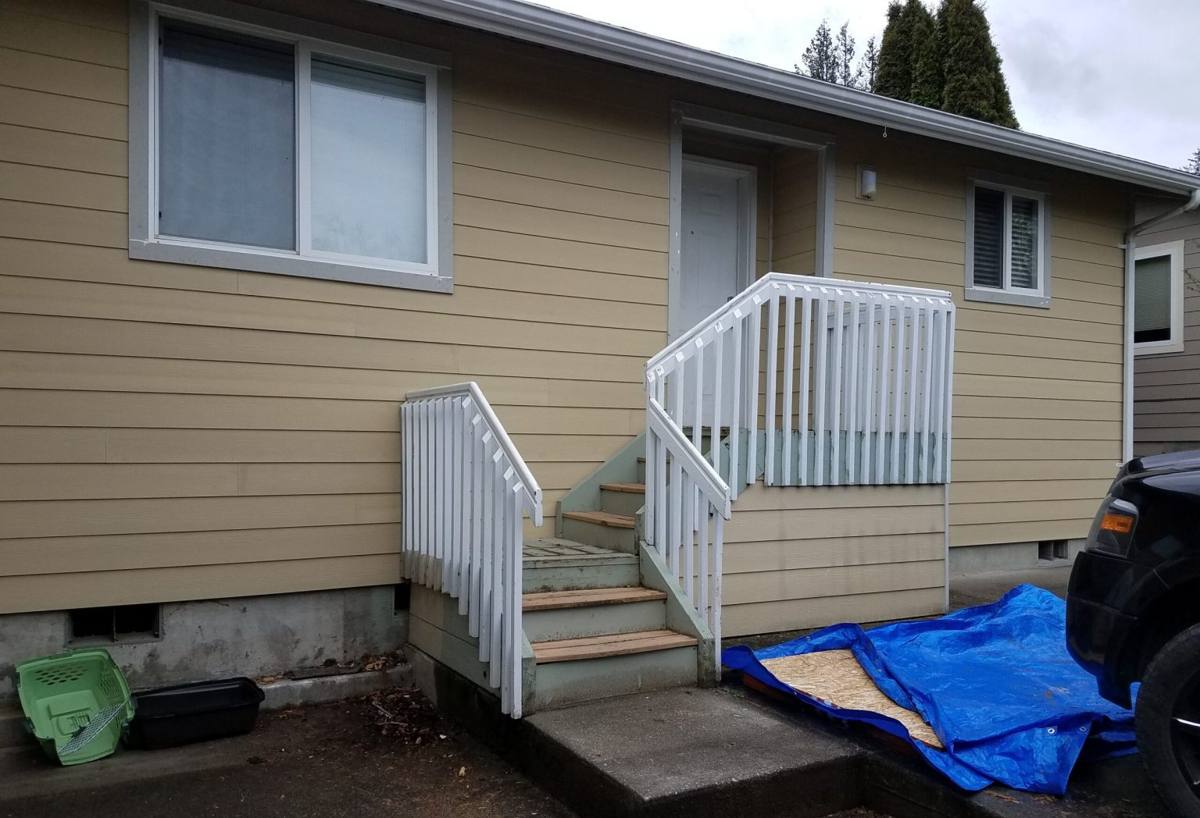
What Salt Air, Rain, and Moss Actually Do to Siding
Salt Air
Airborne salt from the bay settles on exterior surfaces and accelerates corrosion of anything metal — fasteners, flashing, trim connectors — and it can also degrade the surface finish of some siding materials faster than the same product would wear inland. Fastener corrosion is a slow, invisible failure: nails or screws that rust and weaken years before the siding itself shows any obvious problem, eventually letting panels loosen or work free in wind.
Driving Rain
Storms coming off the Strait of Georgia and the Sound don't just rain down — they push rain sideways into the wall assembly, especially on west- and southwest-facing elevations. That means lap joints, butt joints, and every penetration (vents, hose bibs, light fixtures, window and door trim) are under real pressure to shed water outward rather than let it track behind the siding.
Moss and Algae
Fairhaven's tree cover and marine humidity keep shaded wall sections damp far longer than sun-exposed walls. Moss and algae growth on siding isn't just cosmetic — sustained moisture held against a wall surface is what eventually finds its way into seams, fastener holes, and any spot where caulk or paint has failed.
None of these forces are exotic. They're the normal cost of living near saltwater in the Pacific Northwest. But they mean a siding installation in Fairhaven needs to be more careful about water management than the same job would be in a drier part of Whatcom County.
Why We Install James Hardie Fiber Cement — Not Vinyl, Not Wood, Not LP
We don't install vinyl siding, LP SmartSide, cedar, primed spruce, or other fiber cement brands. That's a deliberate standard, not a sales pitch, and it's worth explaining honestly:
- Vinyl can warp, crack, or become brittle with age and temperature swings, and its seams and J-channels give wind-driven rain more opportunities to get behind the cladding — a real liability on an exposed waterfront elevation.
- Wood and wood-composite products (cedar, primed spruce, LP SmartSide) are organic materials at their core. Even with engineered treatments, sustained coastal moisture and shaded, moss-prone walls put more demand on the coating and edge-sealing than these products were built to shrug off indefinitely.
- James Hardie fiber cement is non-combustible, dimensionally stable in wet-dry cycling, and finished at the factory with ColorPlus Technology — a baked-on finish that resists fading and doesn't rely on a field-applied paint job to hold up against salt air.
Hardie's HZ5 product line is engineered specifically for climates with sustained moisture exposure — which describes Fairhaven and the rest of coastal Whatcom County well. Paired with a factory finish and a strong transferable warranty, it's the product we're willing to put our name behind on homes exposed to this kind of weather.
What Correct Installation Looks Like Here
Fiber cement siding performs exactly as well as its installation. A quality product installed with shortcuts will still fail early — and in a marine environment, those shortcuts show up faster. Correct installation on a Fairhaven home includes:
Water Management Behind the Cladding
A weather-resistive barrier installed correctly, with proper overlaps and integration around every window, door, and penetration. Rainscreen or drainage-gap detailing where the wall assembly calls for it, so any moisture that does get past the siding has somewhere to drain and dry rather than sitting against the sheathing.
Flashing at Every Transition
Head flashing above windows and doors, kickout flashing where roof lines meet walls, and proper flashing at deck ledgers and any other place two building elements meet. On a waterfront home, these details aren't optional extras — they're the difference between water shedding away from the structure and water finding a path in.
Fastener Selection and Placement
Corrosion-resistant fasteners, placed per Hardie's engineering specifications for spacing and clearance from panel edges. This matters more here than inland, given how much faster ordinary fasteners corrode in salt air.
Proper Clearances
Siding held clear of grade, roofing, decks, and other horizontal surfaces so it isn't sitting in standing water or trapped moisture — a common source of early rot and paint failure that has nothing to do with the siding material itself.
Caulking and Sealant Only Where Hardie Specifies
Over-caulking is a common mistake that traps moisture rather than releasing it. Correct installation follows Hardie's published details for which joints get sealant and which are designed to be left open for drainage.
Our Process for a Fairhaven Siding Installation
| Step | What Happens |
|---|---|
| 1. On-site assessment | We walk the home, check current siding and sheathing condition, note exposure on each elevation, and identify any moisture damage that needs addressing before new siding goes on. |
| 2. Product and color selection | We review Hardie panel and lap options, HZ5 climate specification, and ColorPlus color choices suited to the home and neighborhood. |
| 3. Written estimate | A clear scope of work and price — no vague allowances, no surprise change orders for standard flashing and water management work. |
| 4. Tear-off and sheathing check | Old siding comes off, sheathing is inspected for hidden rot or damage, and any needed repairs are made before the weather barrier goes on. |
| 5. Weather barrier and flashing | House wrap, flashing, and drainage detailing installed per Hardie's specifications for the climate zone. |
| 6. Siding installation | Panels installed to manufacturer fastening and clearance specs, with careful attention to joints and penetrations. |
| 7. Final walkthrough | We review the finished work with the homeowner and confirm everything meets the agreed scope. |
Why Local Fairhaven Experience Matters
A crew that regularly works Bellingham Bay properties already knows which elevations take the worst of the driving rain, where moss tends to establish first, and how much salt exposure a given block typically sees based on its distance from the water and tree cover. That's not something you can fully substitute with a generic installation checklist. It shows up in small decisions — where to add extra flashing attention, which side of the house needs the most careful joint work, how much drainage capacity to build in — that add up to a siding job that actually holds up to this specific environment for decades instead of one.
Signs Your Fairhaven Home May Need New Siding Soon
- Persistent moss or algae staining that returns quickly after cleaning
- Soft spots, bubbling, or visible warping in the siding surface
- Paint that's peeling or failing faster than a normal repaint cycle would explain
- Visible gaps at seams, corners, or trim where daylight or drafts are noticeable
- Rust staining running down from fastener heads or metal trim
- Rot or soft wood found when probing near the bottom edge of the siding
- Rising energy bills that suggest the wall assembly isn't sealing as well as it used to
Cost Factors for a Fairhaven Siding Installation
Every home is different, and we don't publish blanket per-square-foot pricing because it misleads more than it helps. The real cost drivers on a project like this are:
| Factor | Why It Affects Cost |
|---|---|
| Home size and wall complexity | More corners, gables, and dormers mean more cutting, flashing, and labor time. |
| Current sheathing condition | Hidden rot or moisture damage found during tear-off adds repair work before new siding can go on. |
| Siding profile and color | Lap width, panel style, and ColorPlus color selection carry different material costs. |
| Access and site conditions | Waterfront lots, steep grades, or limited access can affect staging and labor time. |
| Trim and detail work | Window and door trim, corner boards, and fascia detailing add scope beyond the flat wall area. |
We provide a written estimate after seeing the home in person — that's the only way to give a number you can actually rely on.
If you're planning a siding project on your Fairhaven home, we'd be glad to take a look and talk through what your home actually needs. Request a free, no-pressure estimate using the form below.