 Whatcom County
 Why Samish Roofs Wear Differently
Samish sits close enough to the water that homes here take a different kind of beating than roofs further inland in Whatcom County. It's not one big storm that does the damage — it's the daily grind. Salt-laden air off the water works into metal fasteners and flashing edges. Driving rain, pushed sideways by wind off the bay, finds every gap a standard install might get away with elsewhere. And the long, wet moss season here means organic growth is working on your shingles or shakes for most of the year, not just a few months.
A roof repair that works fine in a drier part of the state can fail fast in this environment if it doesn't account for how these three factors stack on top of each other. That's the difference between a repair that lasts a few years and one that lasts the life of the roof.
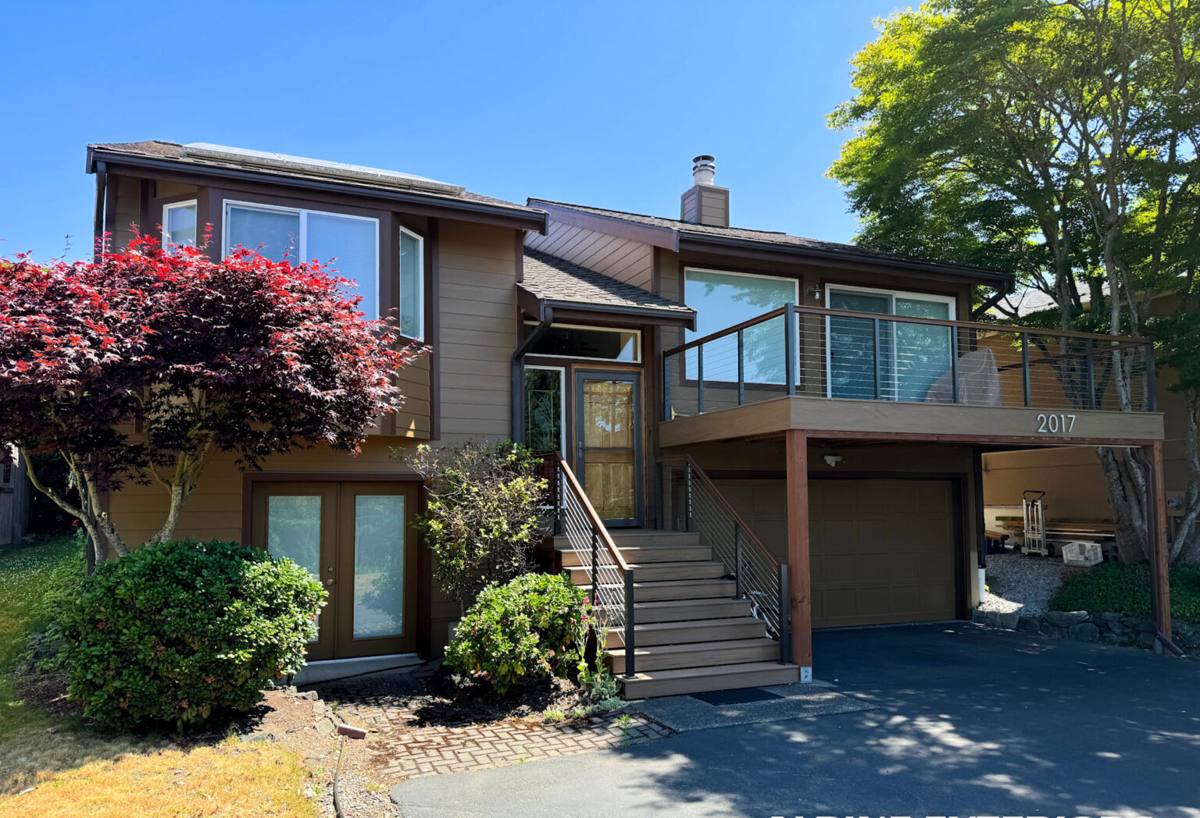
What This Climate Actually Does to a Roof
Salt Air and Metal Fatigue
Any exposed metal on a roof — nail heads, flashing, drip edge, valley metal — is a target for corrosion when it's regularly exposed to salt-carrying air. Galvanized fasteners that would hold up for decades inland can start showing rust bleed through shingles in a fraction of that time near the water. Once a fastener corrodes, it loses grip, and a loose fastener under a shingle is one of the most common starting points for a leak.
Driving Rain and Wind-Driven Water
Standard roofing assumes water moves downhill in a fairly predictable way. Wind-driven rain doesn't play by that rule — it can push water sideways and even slightly upward under shingle edges, especially at valleys, chimneys, and wall intersections. Flashing details that are just "good enough" in calmer conditions are often exactly where a Samish roof starts to leak first.
Moss, Shade, and Moisture Retention
Moss doesn't just look bad — it holds moisture directly against the roofing material, keeps that section of roof cooler and wetter than the rest, and its root structure works into the surface of shingles and shakes over time. On roofs with mature tree cover or north-facing slopes that don't get much sun, moss can establish itself within a single wet season and keep growing back if it isn't addressed at the root, not just brushed off the surface.
Signs a Samish Roof Needs Repair, Not Just a Cleaning
- Dark streaking or thick moss mats concentrated on north-facing or shaded slopes
- Granule buildup in gutters, which signals the shingle surface is breaking down
- Rust staining running down from nail heads, vents, or flashing
- Soft spots, sagging, or visible daylight in the attic around roof penetrations
- Water stains on interior ceilings, especially near chimneys, skylights, or valleys
- Curling, cracking, or lifted shingle edges, particularly on the side of the roof facing prevailing wind
- Flashing that looks separated, corroded, or caulked over as a patch job
Any one of these can be an isolated, inexpensive fix. Several at once usually means water has been finding its way in for a while, and a proper repair needs to address the cause, not just the symptom.
What a Correct Repair Actually Involves
A repair that's built for this environment starts with figuring out where the water is actually getting in — which is often not where the stain shows up inside the house, since water can travel along rafters or sheathing before it drips somewhere visible. From there, a proper repair typically includes:
- Removing affected material — pulling back damaged shingles or shakes far enough to expose the underlying deck and underlayment, not just patching over the surface.
- Inspecting the deck — checking for soft, delaminated, or rotted sheathing, which has to be repaired before new roofing goes back on or the repair won't hold.
- Correcting flashing — replacing corroded or undersized flashing at valleys, chimneys, walls, and penetrations with material sized and lapped correctly for wind-driven rain.
- Matching materials — using shingles or shakes that match the existing roof as closely as possible so the repair doesn't stand out or create an uneven wear pattern down the line.
- Fastening for the coastal environment — using corrosion-resistant fasteners appropriate for salt air exposure rather than standard galvanized nails that may already be showing their age on the existing roof.
- Addressing moss at the cause — clearing growth without damaging the shingle surface, and treating the roof so regrowth is slowed, not just knocked back for one season.
Repair vs. Replacement: How We Make That Call
Not every roof showing wear needs to come off. But not every leak should be chased with patch after patch, either. We look at the whole roof — age, how much of the surface is affected, the condition of the deck underneath, and how many previous repairs are already on it — before recommending a direction.
| Factor | Points to Repair | Points to Replacement |
|---|---|---|
| Age of roofing material | Under roughly two-thirds of expected lifespan | Near or past expected lifespan for the material |
| Extent of damage | Isolated to one slope or area | Spread across multiple slopes or the whole roof |
| Deck condition | Solid, no rot found during inspection | Soft spots or rot in multiple areas |
| Repair history | First or second repair in this area | Same spot has been patched repeatedly |
| Moss/moisture pattern | Recent, surface-level growth | Long-term staining and material breakdown |
We'll tell you honestly which side of that table your roof falls on. There's no benefit to us talking a homeowner into a full replacement when a targeted repair will genuinely hold up.
How Our Process Works
Inspection First
We start with a full roof inspection, not just a look at the spot where you're seeing a stain. That includes checking the attic from the inside where accessible, since interior signs of moisture often point to a different location than where the leak shows up outside.
A Straight Answer on Scope
Once we know what's going on, we explain what needs to happen and why — including whether it's a contained repair or something larger. We don't pad a small job to make it bigger, and we won't undersell a real problem to win the work cheap.
The Repair Itself
Work is done to match the pitch, material, and exposure of your specific roof — a repair on a steep, shaded, moss-prone slope facing the water gets handled differently than one on a low-slope, sun-exposed section of the same house.
Cleanup and Walkthrough
We clear debris and old material from the site and walk the completed repair with you so you know exactly what was done and what to watch for going forward.
Maintenance That Actually Extends the Repair's Life
A good repair can still fail early if the rest of the roof isn't maintained around it. In Whatcom County's climate, a few habits make a real difference:
- Keep gutters and downspouts clear so water isn't backing up under the roof edge, especially during fall and winter rain
- Trim back tree limbs that shade the roof and drop debris, since that shade is what lets moss establish in the first place
- Have moss treated before it gets thick, rather than waiting until it's visibly matted
- Schedule a roof check after major windstorms, since lifted or cracked shingles aren't always visible from the ground
- Address small leaks immediately — a slow drip into insulation or sheathing does more damage the longer it sits
Why a Crew That Already Works This Area Matters
Roofing crews who mostly work drier, inland regions can miss the details that matter here — using standard fasteners in a salt-air zone, underestimating how far wind-driven rain travels under a shingle edge, or treating moss as a cosmetic issue instead of an ongoing maintenance need. A crew that regularly works Samish and the surrounding Whatcom County waterfront communities has already seen how these specific conditions play out on real roofs, season after season, and builds repairs accordingly.
That local familiarity also means a faster, more accurate diagnosis. We're not guessing at how this climate affects a roof — we're working from what we see repeatedly on homes in this exact area.
Get a Straightforward Assessment
If you're seeing moss buildup, a stain on the ceiling, or you just want a second set of eyes on your roof before the next wet season sets in, we're happy to take a look. We offer a free, no-pressure estimate — just fill out the form below and we'll get back to you with a straight answer about what your roof needs.