 Whatcom County
 Why Barkley Homes Need Siding That Can Take a Beating
Barkley sits close enough to Bellingham Bay that salt-tinged air is a constant, low-grade stressor on exterior building materials, even on homes that never see direct wave spray. Add Whatcom County's long wet season, wind-driven rain that gets pushed sideways against west- and south-facing walls, and the shaded, damp conditions that let moss and algae colonize almost any siding surface for months at a time, and you have a climate that is quietly hard on a home's envelope. Siding here doesn't fail dramatically. It fails slowly, from the inside of the material outward, which is exactly why the choice of siding product and the quality of the install matter more in Barkley than they would somewhere dry.
We install James Hardie fiber cement siding exclusively, and we've built this page specifically for homeowners in Barkley who want to understand what that means for a house in this particular neighborhood, in this particular climate, before they commit to a project.
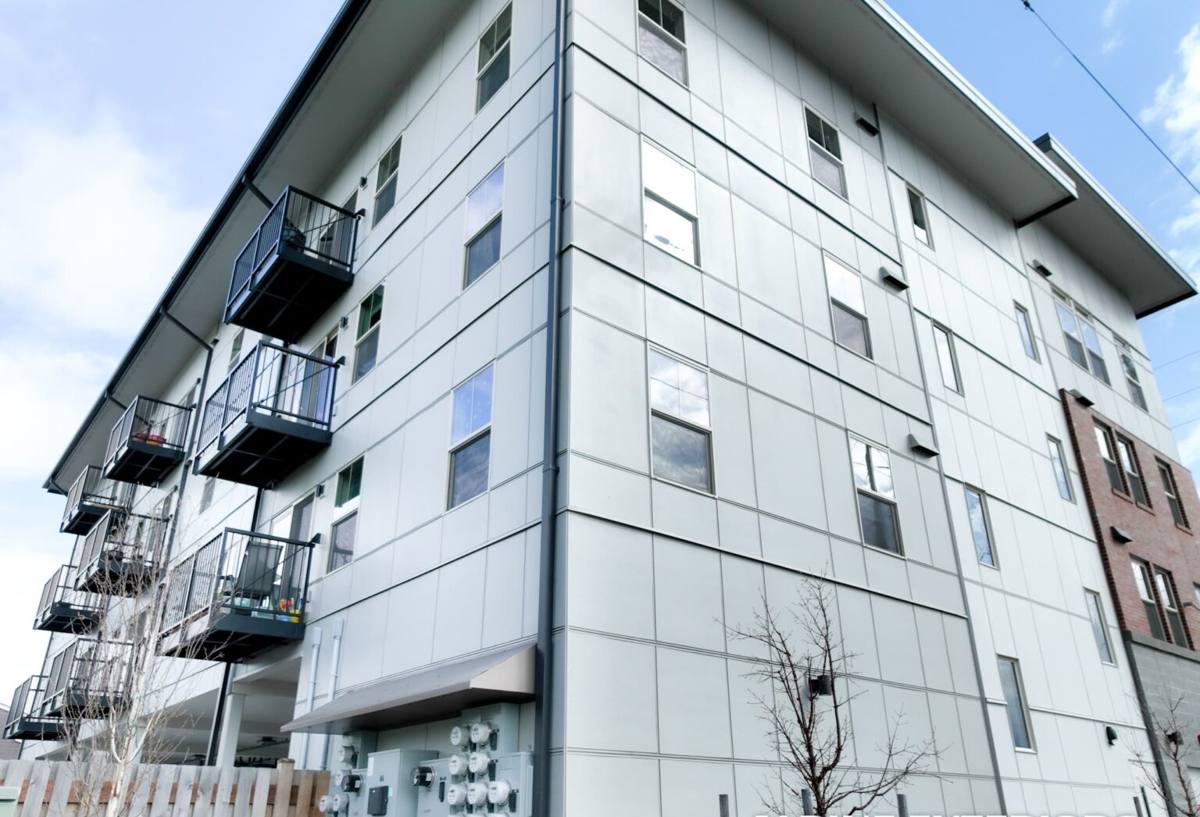
What Salt Air, Driving Rain, and Moss Actually Do to Siding
Salt Air
Airborne salt is corrosive to metal fasteners and trim, and it accelerates the breakdown of finishes that aren't engineered to resist it. On wood-based products, salt-laden moisture speeds up swelling, checking, and paint failure. It's a slow chemical and physical erosion, not a single event, which is why it's easy to underestimate until a siding job is ten or fifteen years old and showing its age faster than expected.
Driving Rain
Whatcom County's rain rarely falls straight down. Wind pushes it laterally into wall assemblies, which means lap joints, butt seams, and any place two pieces of siding meet are under real pressure to shed water rather than absorb it. A siding product that swells when wet, or a job where the flashing and gaps weren't done to spec, will let water track behind the cladding and into the wall over time.
Moss and Algae
Shade, moisture, and mild temperatures are exactly what moss and algae need to establish themselves, and Barkley's tree cover and marine-influenced climate provide all three for much of the year. Organic growth on siding isn't just cosmetic — it holds moisture against the surface longer than bare siding would, which compounds the moisture problem underneath.
Why We Install Only James Hardie in This Neighborhood
James Hardie fiber cement is engineered from cement, sand, and cellulose fibers — it doesn't have the wood content that makes traditional wood-based sidings vulnerable to swelling, rot, and moss-friendly surface texture. It's also non-combustible, which matters as wildfire smoke and dry-season fire risk become a bigger part of Pacific Northwest summers even in historically wet areas.
For a climate like Barkley's, three things about the Hardie system matter specifically:
- Dimensional stability — fiber cement doesn't swell and shrink with moisture cycles the way wood-based sidings do, so joints stay tighter over time and paint doesn't get pushed off from underneath.
- Factory-applied ColorPlus finish — a baked-on finish that resists fading and holds up to the UV and moisture cycling of a marine climate far better than field-applied paint, which is the layer that fails first on most wood siding.
- HZ5 engineering — Hardie's HZ5 product line is formulated for cold, wet, freeze-thaw-prone climates, which describes Whatcom County accurately. It's the right specification for this area, not a generic national default.
We don't install LP SmartSide, vinyl, Cemplank, Allura, primed spruce, or cedar. Each of those has legitimate uses somewhere, but for a house that has to stand up to salt air, driving rain, and a nine-month moss season, we've made a professional call that Hardie's material properties and finish system are the better long-term bet, and it's the only thing we put our name behind.
What a Correct Hardie Install Actually Involves
The material only performs as designed if the install matches the specification. This is where most siding problems in this climate actually originate — not from the product, but from shortcuts in the details that don't show up until years later.
Water Management First
Before a single piece of siding goes up, the wall needs a correctly lapped weather-resistive barrier, properly integrated flashing at every window, door, and penetration, and a drainage plane that lets any moisture that does get behind the siding find its way back out. Hardie siding is not a waterproof membrane by itself — it's a durable cladding that has to work with a properly built wall assembly behind it.
Clearances and Gaps
Hardie's specifications call for minimum clearances from grade, roof lines, decks, and other siding-to-trim intersections, plus specific gap widths at butt joints that get filled with the right sealant, not caulked over as an afterthought. In a high-rainfall area, these clearances are what keep splashback and standing water from wicking into the bottom of the siding.
Fastening
Corrosion-resistant fasteners, driven to the correct depth and pattern, are non-negotiable given the salt exposure. Overdriven or underdriven nails are a common defect that voids performance and invites water intrusion at every fastener location.
Field Cutting and Sealing
Every cut edge of fiber cement siding needs to be sealed or primed per manufacturer spec before installation, and dust control during cutting is both a safety and a job-site requirement. Skipping this step is invisible at close-out and shows up as premature edge failure a few years down the road.
Our Process for a Barkley Project
- On-site assessment — we look at your home's specific exposure: which walls take the worst of the wind-driven rain, where moss and algae are already established, and what condition the existing siding and sheathing are in.
- Wall inspection during tear-off — once old siding comes off, we check the sheathing and water-resistive barrier for hidden moisture damage before anything new goes up. This is the point where problems that started years ago actually get caught and fixed.
- Correct water management install — house wrap, flashing, and drainage details done to spec, not skipped because they're invisible once siding covers them.
- Hardie installation to manufacturer spec — correct clearances, fastening, joint treatment, and sealing, using the HZ5 product line suited to this climate.
- Final walkthrough — we go over the finished work with you, including care and maintenance expectations specific to a marine, moss-prone environment.
Why Hiring a Crew That Already Works Barkley Matters
A siding crew that works across a wide range of climates can install Hardie siding competently in a general sense and still miss the details that matter specifically here. A crew that already works in Barkley and the surrounding Whatcom County neighborhoods knows which wall orientations take the worst driving rain, how aggressively moss establishes itself on north- and shade-facing elevations, and how salt exposure near the bay changes fastener and flashing choices. That local pattern recognition is what keeps a job from becoming a callback five years later.
It also means faster, more accurate estimates, because we're not guessing at how the regional climate will treat a given product or detail — we've seen it play out on homes in this same weather pattern.
Cost Factors for a Barkley Siding Project
Every home is different, but the variables that move the price on a Hardie project here are consistent. We avoid quoting broad numbers without seeing the house, but this table lays out what actually drives cost:
| Factor | Why It Matters in Barkley |
|---|---|
| Existing wall condition | Hidden moisture or sheathing damage from years of rain exposure adds repair scope before new siding goes on |
| Home size and elevation complexity | Multiple gables, dormers, and trim details each add flashing and cutting labor |
| Siding profile chosen | Lap, shingle, and panel profiles differ in material and labor cost |
| Access and tear-off scope | Full removal of old siding versus a simpler recover situation changes labor significantly |
| Trim and accessory package | Corner boards, window trim, and fascia treatments add to material and labor totals |
Signs Your Current Siding Is Losing the Fight
If you're not sure whether it's time to plan a project, these are the signs we look for on homes in this climate:
- Persistent moss or algae growth that returns quickly after cleaning
- Soft spots, bubbling, or visible swelling, especially near the bottom courses or around windows
- Paint that's peeling or chalking faster than expected for its age
- Visible gaps or separation at butt joints and corners
- Musty smell or interior moisture signs on exterior walls, which can indicate water has already gotten behind the cladding
Get a Straight Answer for Your House
Every home in Barkley carries its own combination of sun exposure, tree cover, and wind direction, and that combination is exactly what should drive the recommendation for your siding project — not a generic quote. If you'd like a straightforward look at where your home stands and what a correctly specified James Hardie install would involve, we offer a free, no-pressure estimate using the form below.